Acción juvenil por sistemas alimentarios urbanos más inclusivos y resilientes
Urban Futures trabaja en la intersección de los sistemas alimentarios urbanos, el bienestar de los jóvenes y la acción por el clima. Opera en ciudades – región de cinco países y apoya a los socios locales, y especialmente a los jóvenes, para crear ciudades y sistemas alimentarios urbanos más inclusivos y resilientes al cambio climático.
¡Los sistemas alimentarios deben cambiar ya!
Nuestros sistemas alimentarios actuales no satisfacen las necesidades de las personas ni del planeta. Son responsables del 34% de las emisiones mundiales de gases de efecto invernadero. Al mismo tiempo, debido a la rápida urbanización, se espera que el 68% de la población mundial viva en zonas urbanas en 2050. Dado que las ciudades consumen casi el 80% de todos los alimentos, los sistemas alimentarios urbanos tienen un gran impacto local y mundial en cuestiones como el cambio climático, el bienestar de los jóvenes y las oportunidades económicas.
Las ciudades ofrecen oportunidades únicas
Las ciudades intermedias son las que más rápido crecen y acogerán a más de 400 millones de nuevos residentes en los próximos 15 años. Las autoridades locales se hacen cargo cada vez más de las cuestiones que les afectan. Por ejemplo, vemos cómo las ciudades asumen el liderazgo de la acción climática a través de iniciativas como el C40 y el Pacto de Política Alimentaria Urbana de Milán. Y la Cumbre de las Naciones Unidas sobre Sistemas Alimentarios puso de manifiesto la importancia de la transformación de los sistemas alimentarios urbanos, la necesidad de fortalecer la capacidad de acción, el cambio de narrativas, y el papel central de los jóvenes.
Transformaciones lideradas por jóvenes
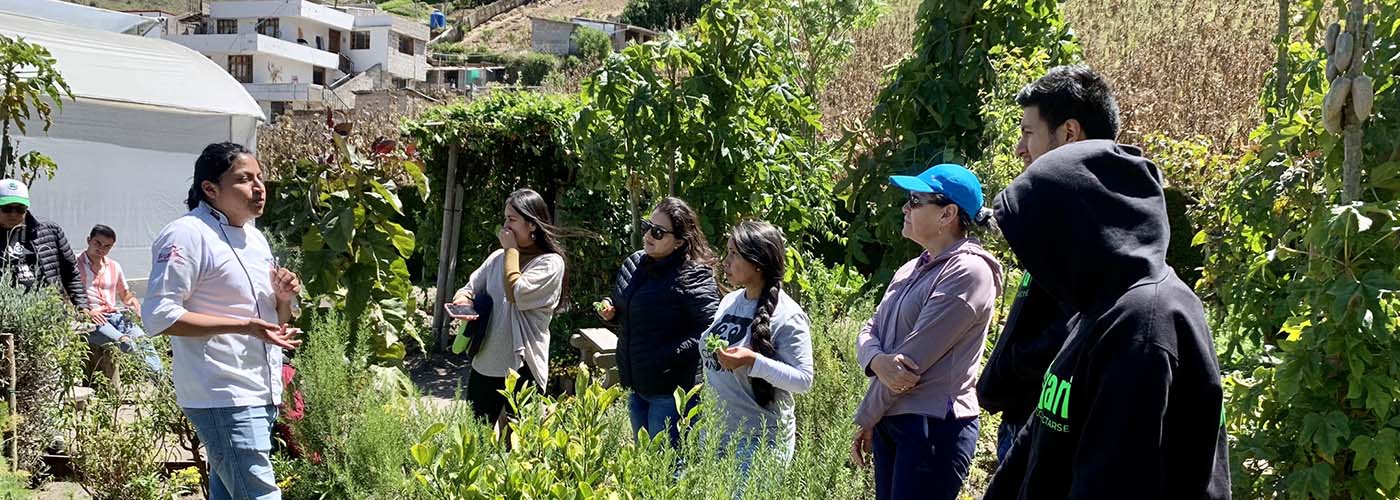
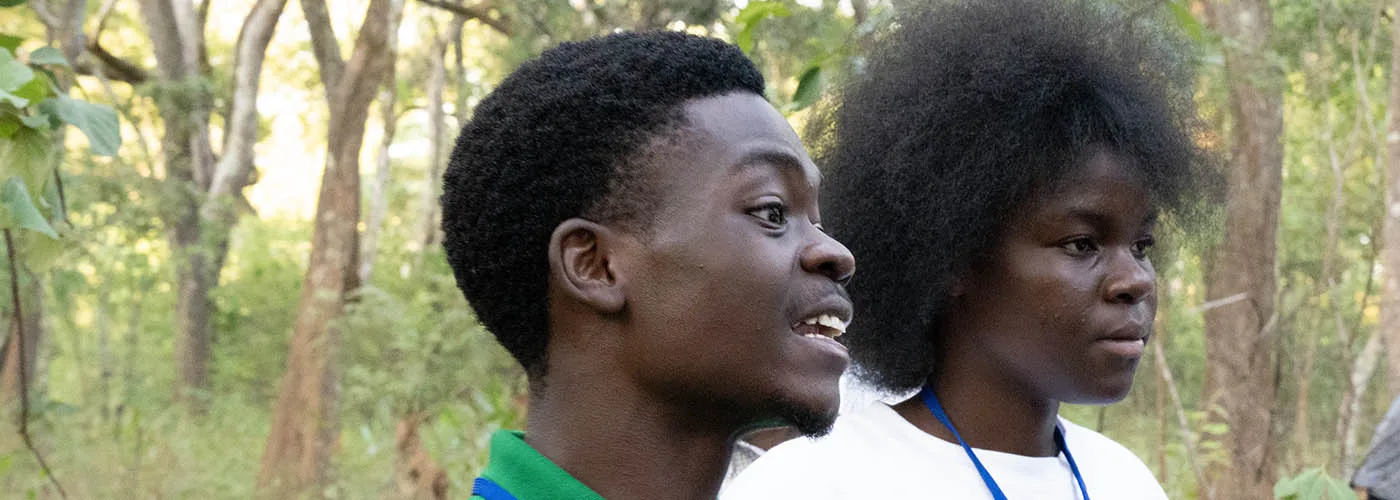
Futuros Urbanos impulsa colaboraciones con socios e innovadores locales, especialmente jóvenes, para crear sistemas alimentarios urbanos inclusivos y resilientes al clima. Su enfoque se centra en la participación activa de las comunidades para expresar prioridades, influir en decisiones y aprovechar oportunidades en el sector alimentario, mediante alianzas multisectoriales e innovaciones locales.
Hivos, como fondo global y gestor del programa, complementa estas iniciativas con aprendizaje, incidencia, comunicación y coordinación estratégica. Humanis lidera los esfuerzos en Indonesia, mientras que RUAF aporta conocimiento técnico, investigación y apoyo en desarrollo de políticas.
Dónde
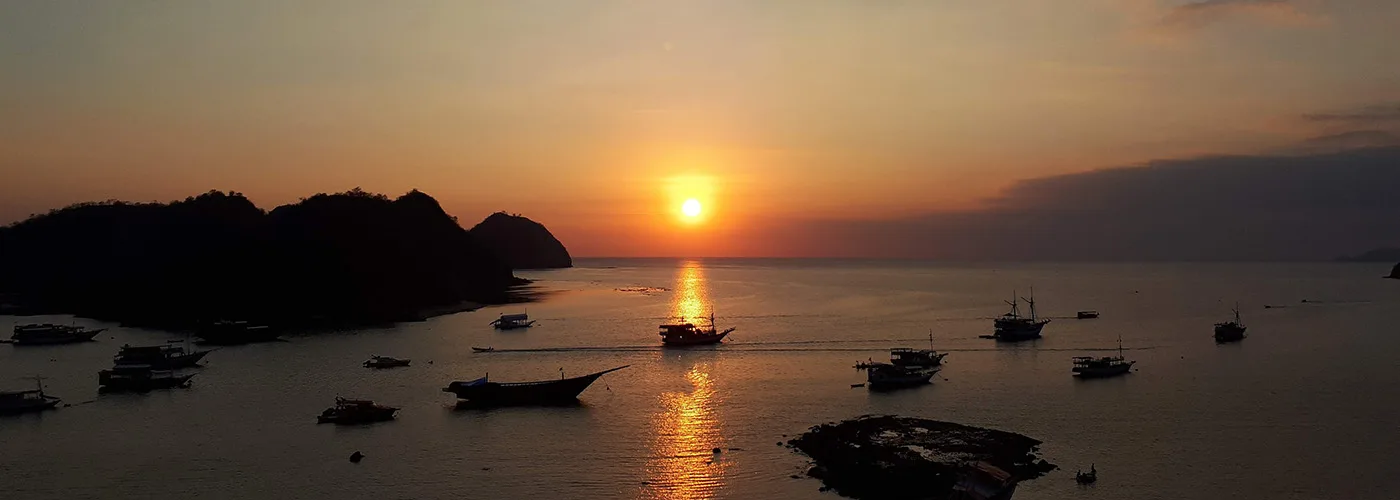
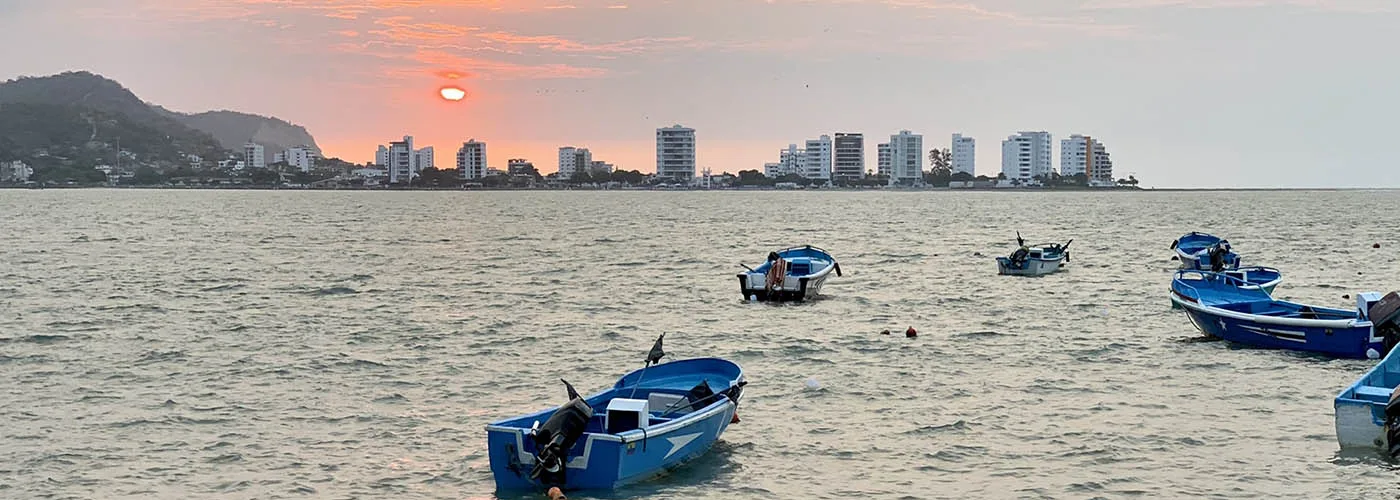
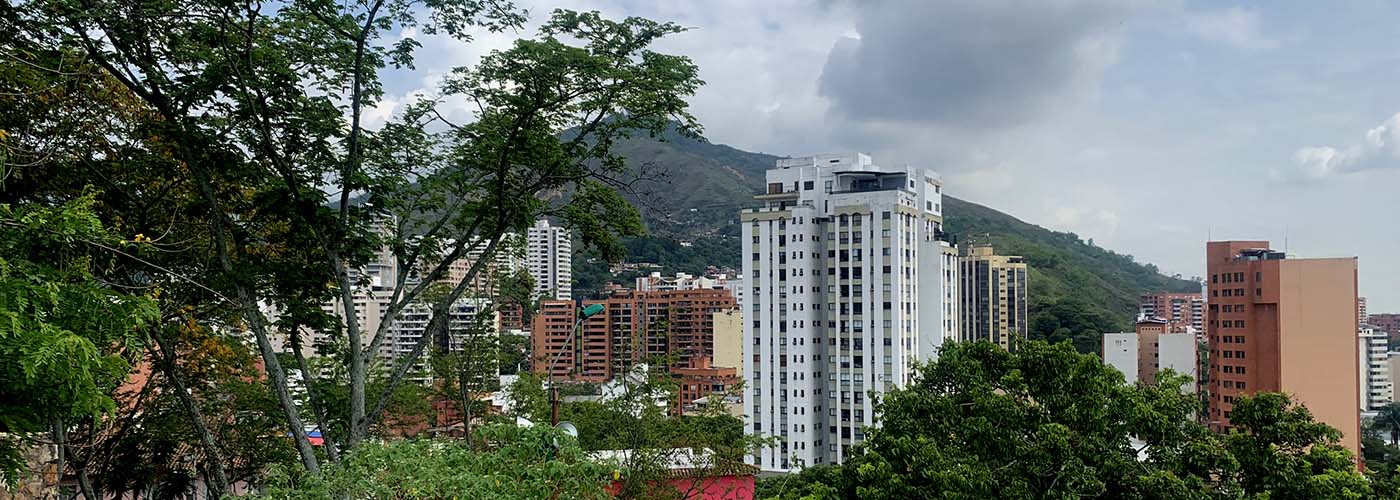
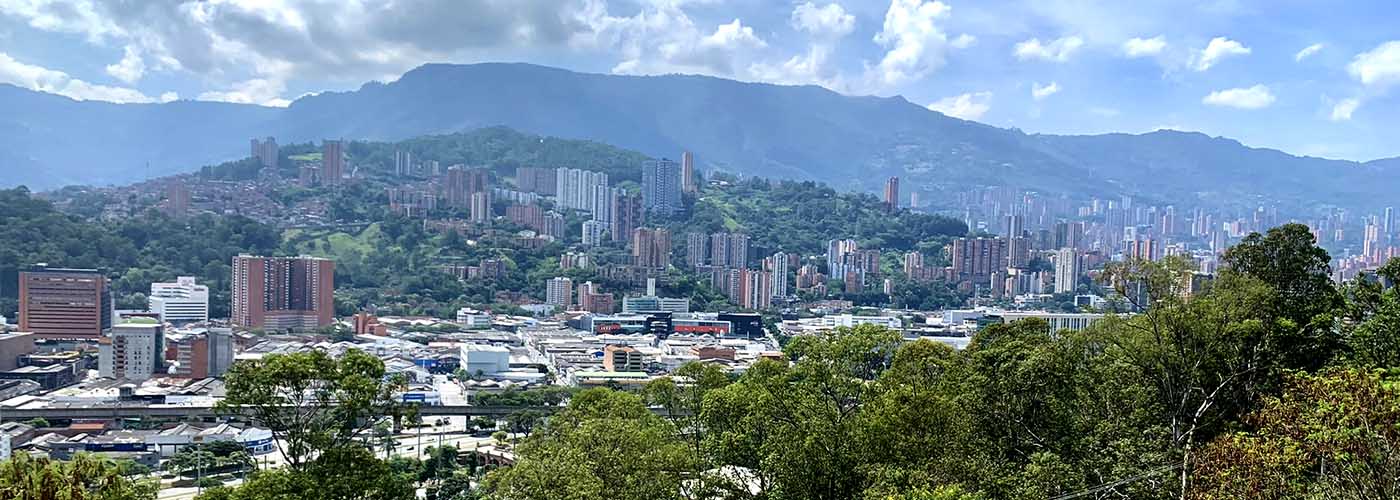
En diez ciudades-región de Colombia, Ecuador, Indonesia, Zambia y Zimbabue.
To help LGBTIQ+ activists out of life-threatening situations worldwide, Hivos set up the Bessy Ferrera Fund.
Read moreSharaKa for Inclusive Climate Action empowers civil society organizations (CSOs) and citizens to safely and effectively influence and co-create inclusive climate action
Read more
Bulawayo is the second largest city in Zimbabwe. Of its over 650,000 inhabitants, more than 60 percent are aged 15 to 25, with 24 percent of people 15 and older unemployed.
Read more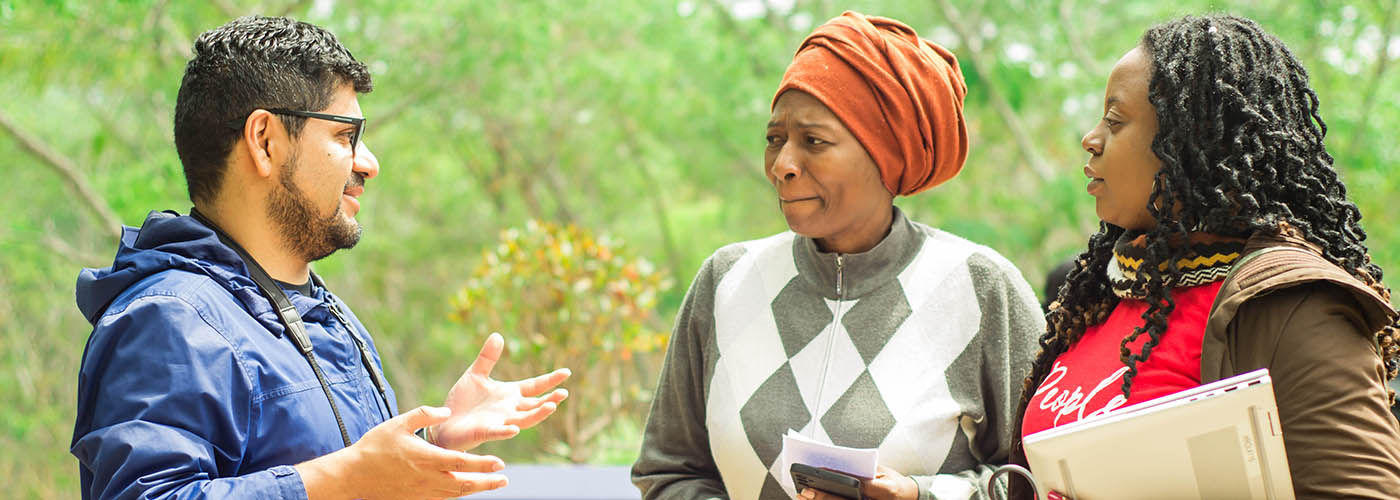
Mutare, in the East of Zimbabwe, is the third most populous city with over 500,000 inhabitants, half of which are urban. Of this urban population, over 50 percent are under 25.
Read more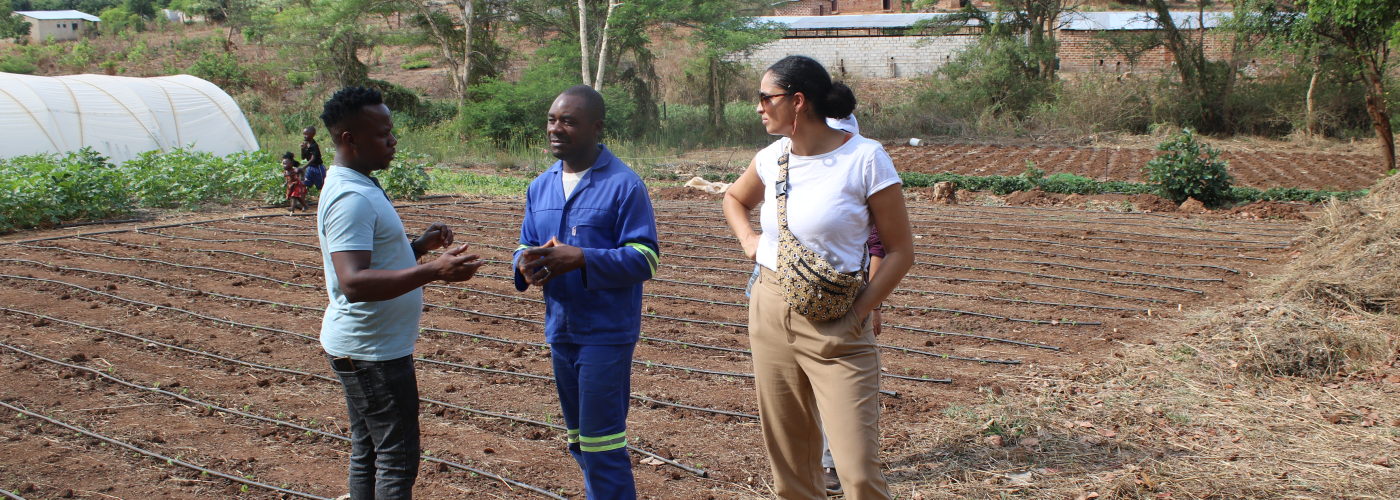
Bulawayo is the second largest city in Zimbabwe. Of its over 650,000 inhabitants, more than 60 percent are aged 15 to 25, with 24 percent of people 15 and older unemployed.
Read more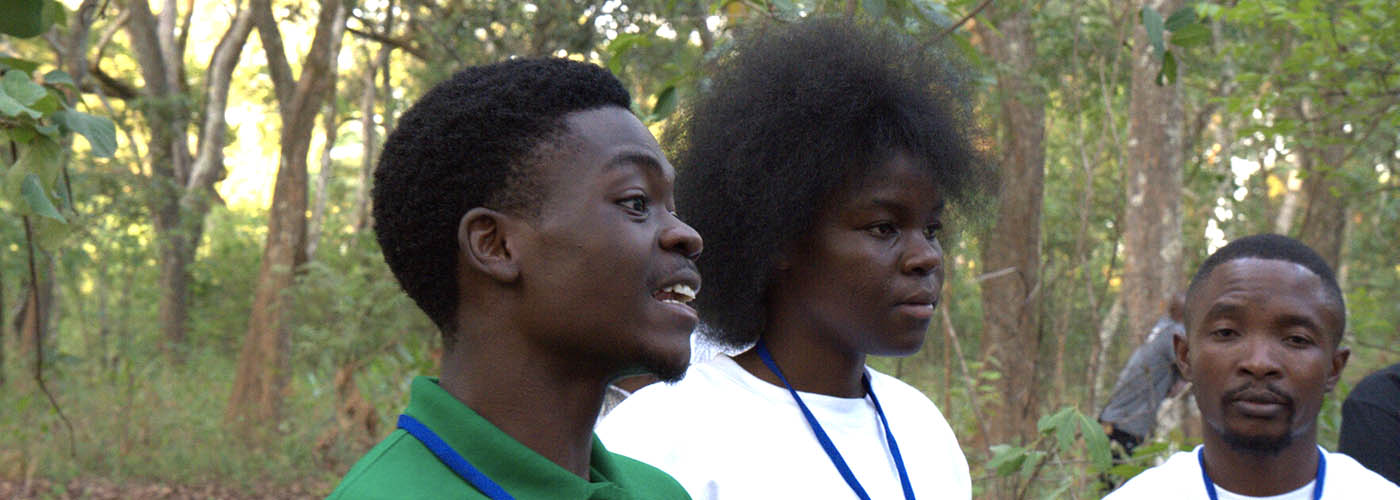
Kitwe is located in the Copperbelt Region. It is the second most populous city in Zambia with almost 700,000 inhabitants, of which 65 percent are under 25, and 52 percent under 18.
Read more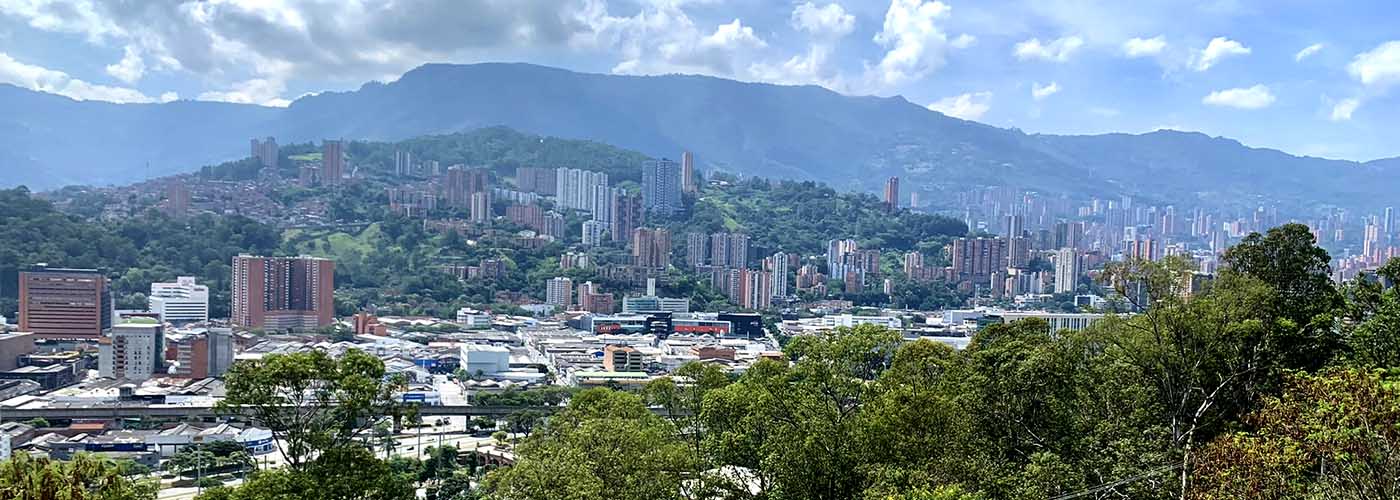
Medellin is the second-largest city in Colombia with a population of approximately 2.5M. Despite this, its rural heritage is still an integral part of the city’s identity, linked to people’s pride in their place of origin and traditions.
Read more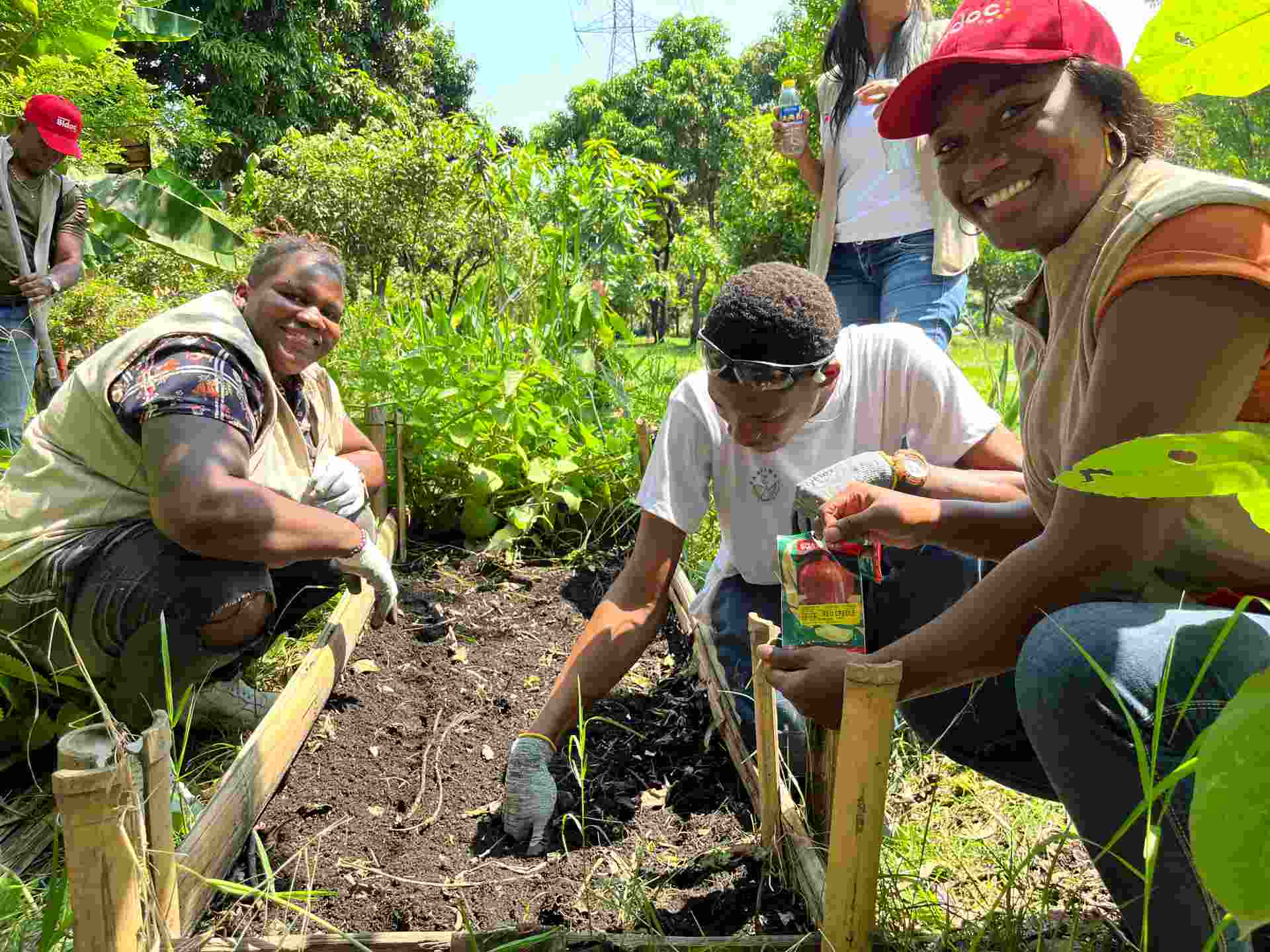
The Cali Metropolitan Area, the third-largest city in Colombia with 2.5 million inhabitants, boasts a diversified and thriving economy.
Read more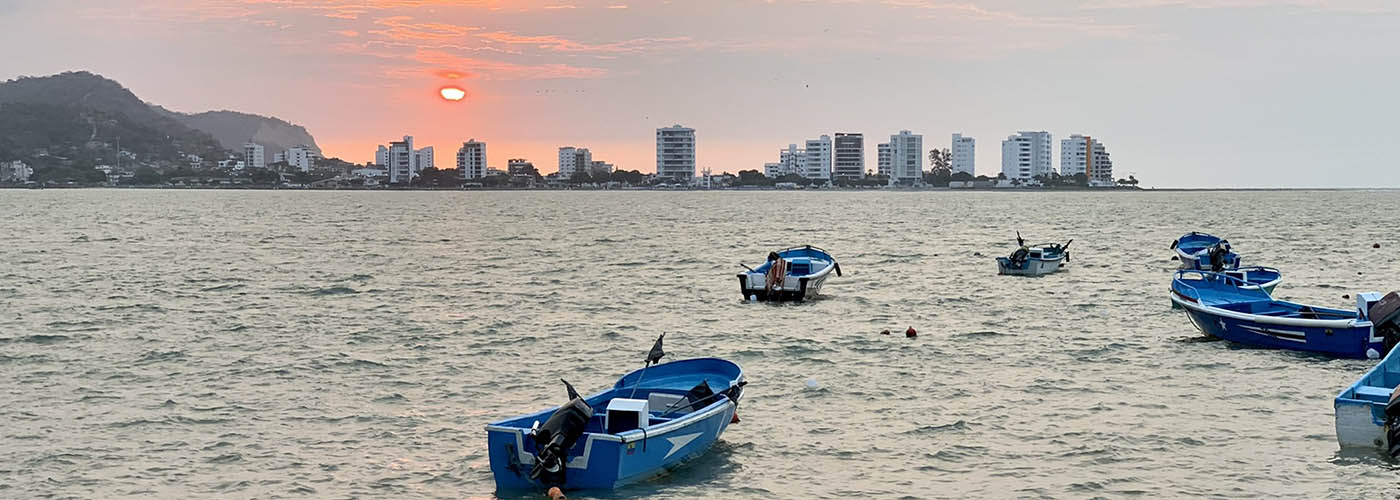
MANPANOR (Municipal Association of the Northern Pacific Coast) is located in Ecuador’s Manabí province. It consists of four municipalities with a total population of around 200,000.
Read more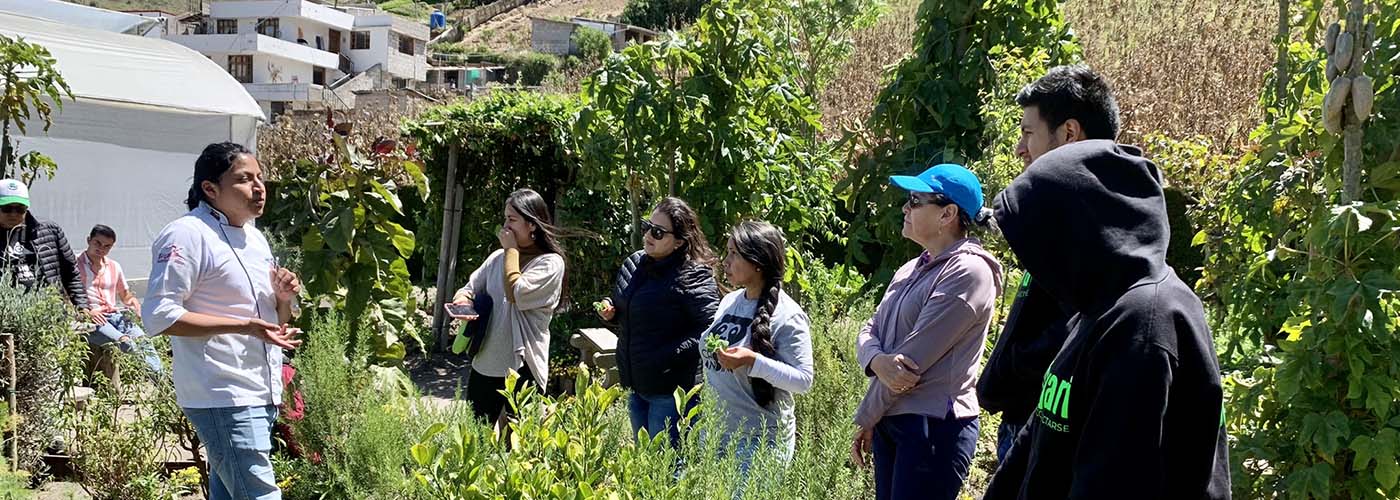
The Chocó Andino Association of Municipalities (MCA) is a coordinating and participatory governance body made up of six rural parishes to the northwest of the capital, Quito.
Read more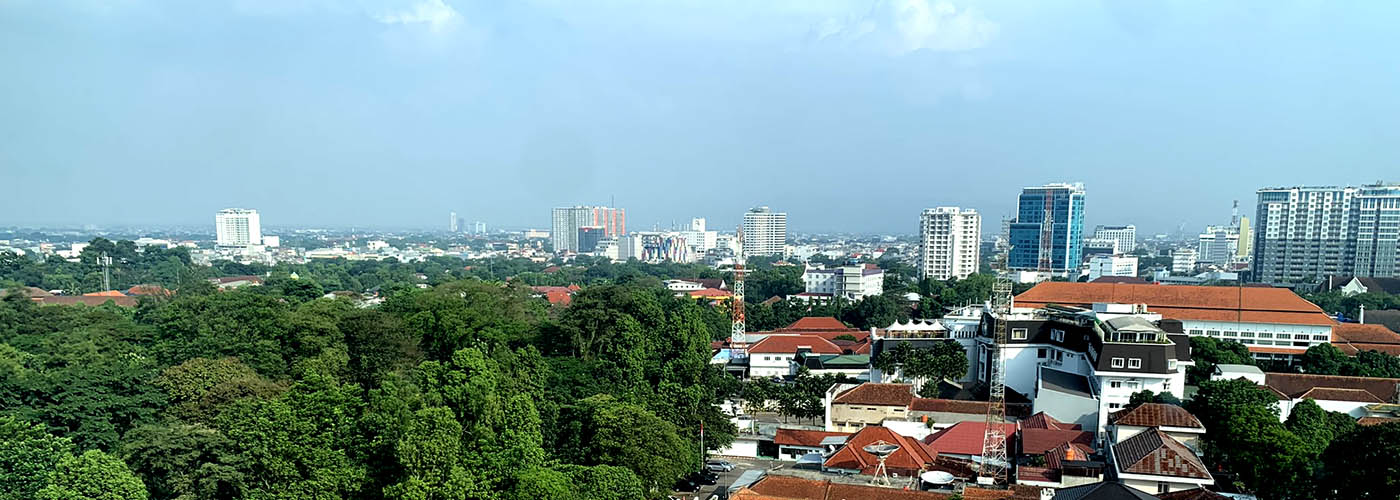
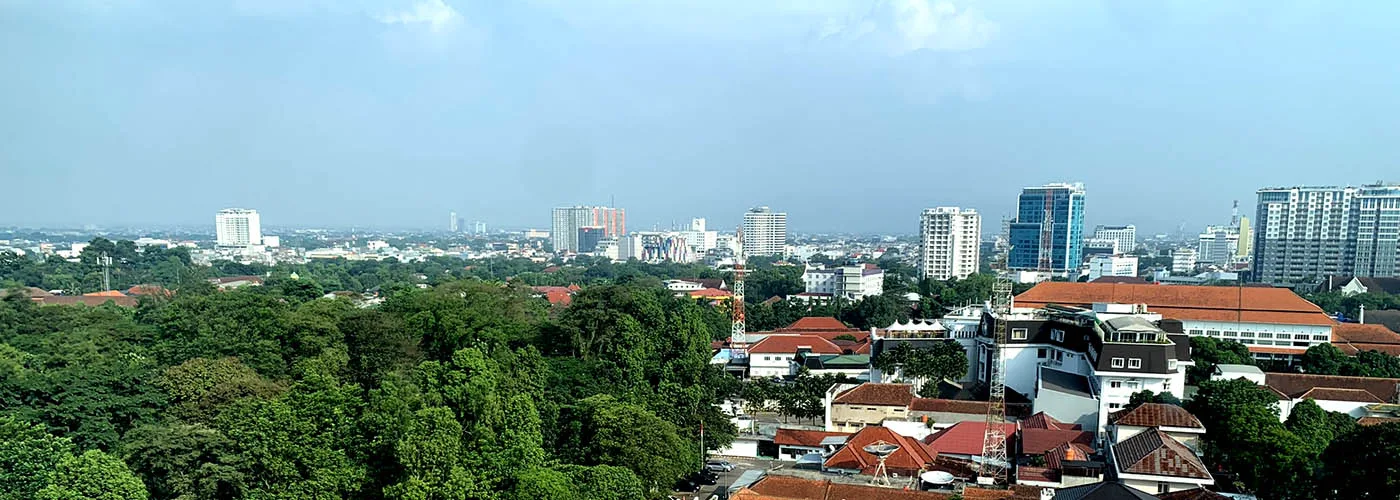
Bandung is the capital city of Indonesia’s West Java Province. Out of its population of almost 2.5M people, about one third is between 15 and 34.
Read more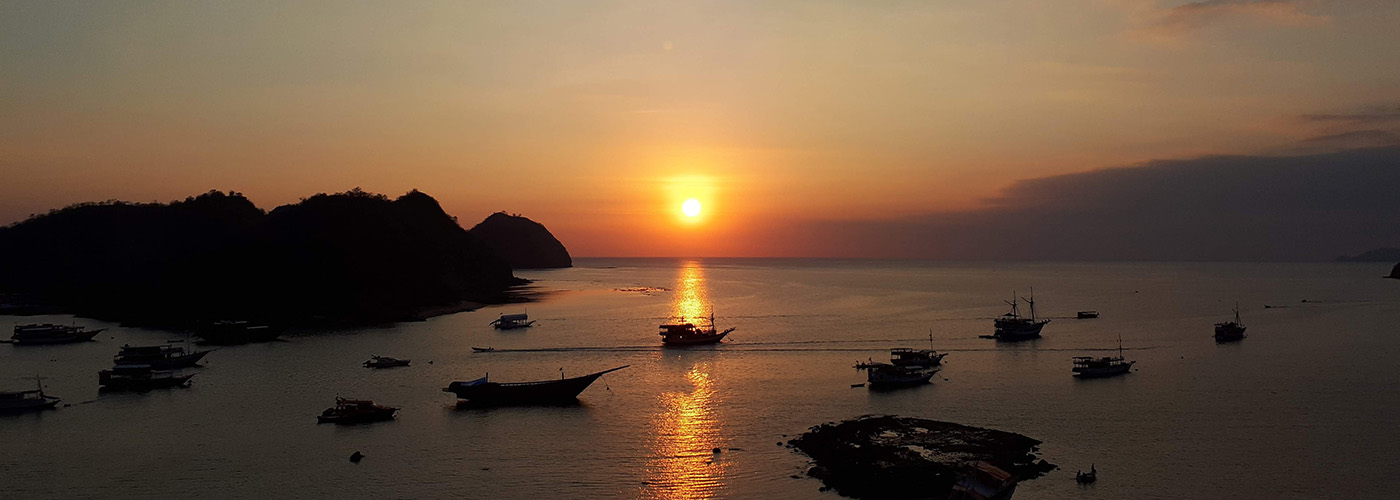
West Manggarai, in the Indonesian province of East Nusa Tenggara, has a population of over 264,000. Seventeen percent live below the poverty line and a third is between 15 and 34.
Read moreWalking the Talk is led by a consortium of organizations based in four European countries: Equipop, Restless Development, the Centre for Feminist Foreign Policy, and Hivos.
Read moreWalking the Talk wants to boost the adoption and implementation of Feminist Foreign Policies (FFPs) and gender equality in Germany, France, the United Kingdom, the Netherlands, and the European Union.
Read more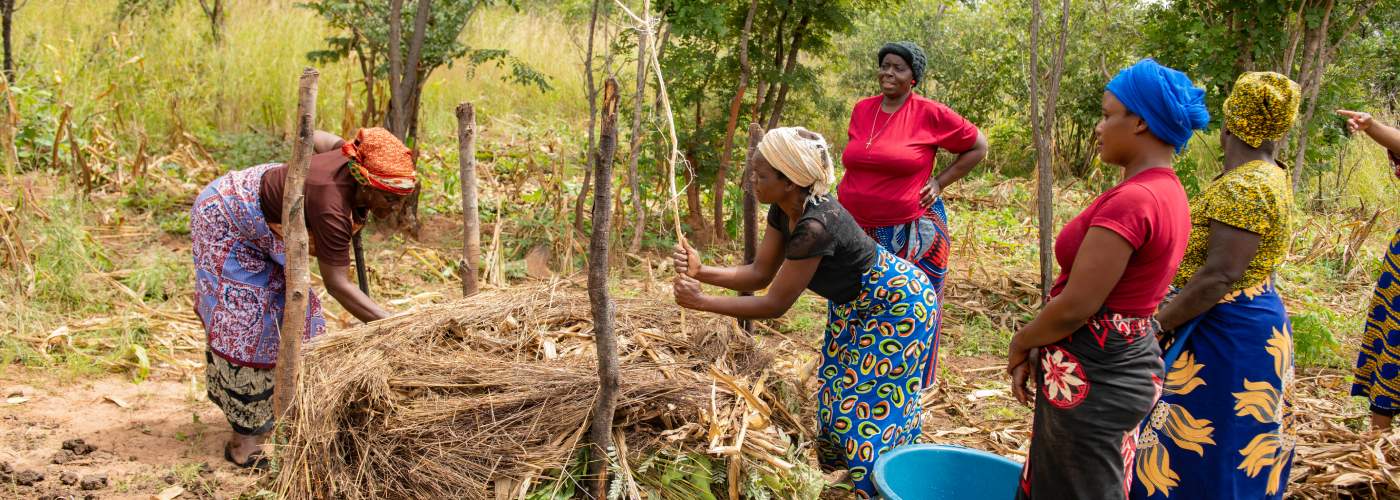
Zambia’s cities and its countryside suffer the effects of climate change. Rains disappear for months, meaning that farmers see their crops die. Pastoralists rearing animals struggle to find water for their herds.
Read more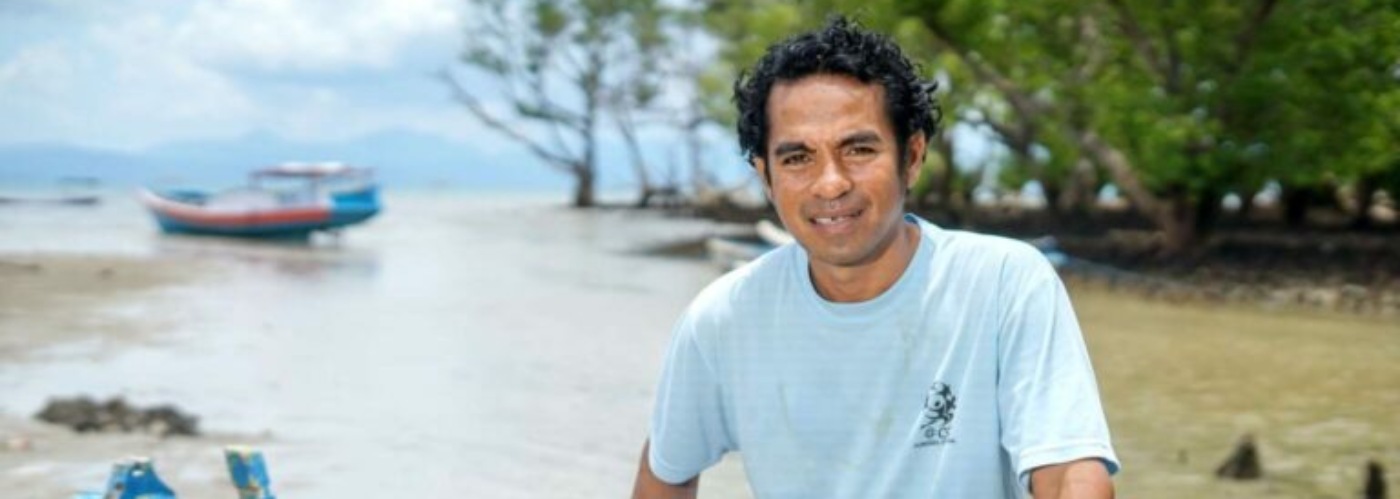
Indonesia’s capital Jakarta is the fastest sinking city in the world. The threat to Indonesia’s capital is emblematic of the fears of a country with almost a hundred thousand kilometers of coastline in times of climate change.
Read more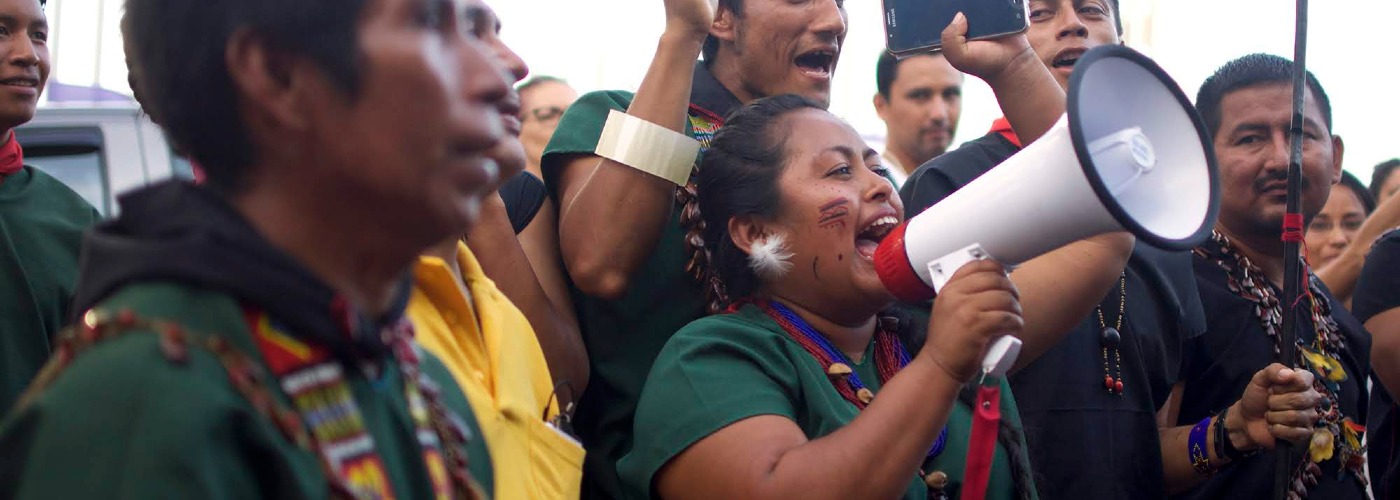
Brazil is a key frontier in the global struggle against climate change. In the favelas, landslides destroy people’s homes. In the Amazon rainforest, indigenous communities fight against land grabbing and deforestation.
Read more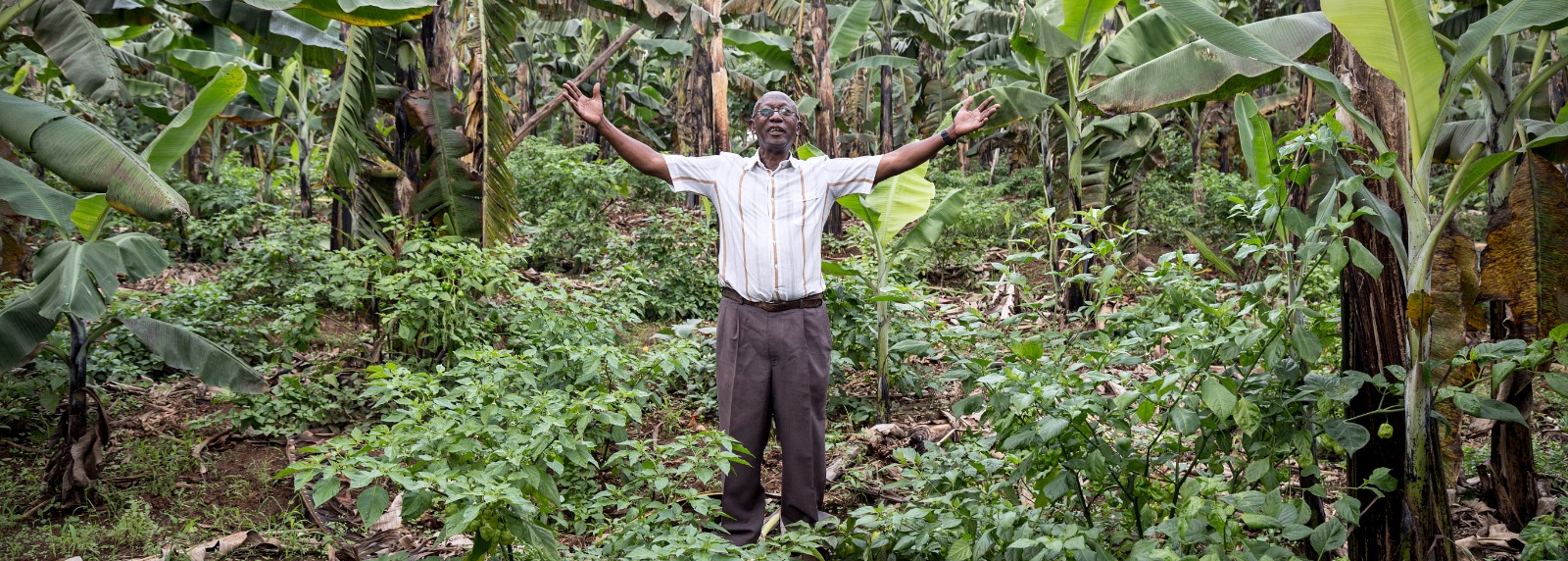
Kenyans face the increasingly severe effects of climate change. Both extreme floods and prolonged droughts destroy the lives and homes of communities. Women, indigenous people and the poor are particularly vulnerable to these dangers.
Read more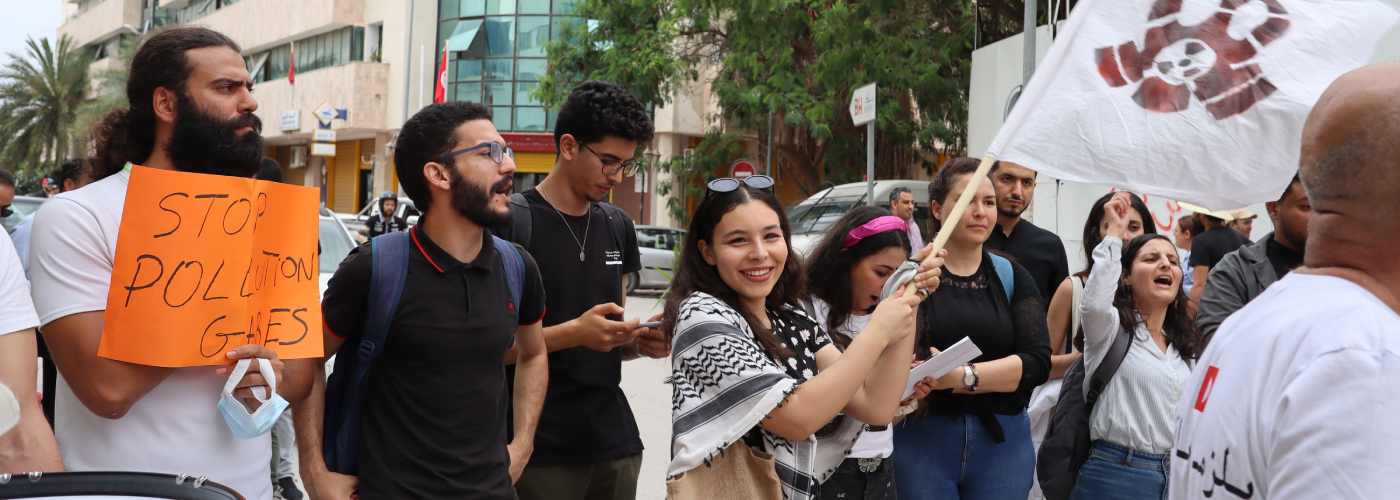
Tunisia’s freshwater supplies dwindle because of climate change. As temperatures rise and the Sahara Desert expands, big industry exploits and pollutes what scarce water sources remain.
Read moreFree to be Me is an innovative program that builds and maintains a movement of self-confident and diverse LGBTIQ+ organizations and activists who advocate for their human and socio-economic rights. In 12 countries in Africa, the Middle East and Asia we support LGBTIQ+ people so they can assert their rights and start change in their community, country and internationally.
Read moreThe Amazon Indigenous Health Route aims to promote structural changes in health systems and networks that will reduce the impact of Covid-19 on the lives, organizations and territories of Indigenous populations in the Ecuadorian, Peruvian and Brazilian Amazon.
Read moreLa Ruta de Salud Indígena Amazónica (AIR) es un modelo innovador de atención basado en el diálogo de conocimiento intercultural y la facilitación de procesos de múltiples partes interesadas, que reúne a servidores públicos de salud, organizaciones indígenas, academia y organizaciones de la sociedad civil en torno a actividades conjuntas diseñadas para abordar la pandemia del COVID-19 en la Amazonía.
Read moreVoices for Just Climate Action aims to ensure that by 2025, local civil society and underrepresented groups will have taken on a central role as creators, facilitators and advocates of innovative climate solutions. Their inclusion is crucial for effective and lasting climate responses, and because the climate crisis is also a societal challenge with ethical and human rights aspects.
Read moreThe GreenWorks Program, implemented by an alliance led by Hivos, contributes to climate change mitigation by creating sustainable business and job opportunities for more than 9000 young people in Egypt, Algeria and Tunisia.
Read moreThe project known as Alianza Liderazgo en Positivo (HIV Positive Leadership) and Poblaciones Clave (Key Populations) strengthens and trains social organizations and key populations* to do advocacy work. The goal is to achieve a better quality of life and full human rights for all key populations living with HIV in Latin America.
Read moreAim To enable trustworthy personalities of the informal civil society and among pastoralists to integrate their expertise into debates on resources planning and implementation and to bring them into dialogue among themselves and with relevant stakeholders. Where Kenya and Uganda. Why Local pastoralists communities in Eastern Africa Border regions face a number of challenges that […]
Read moreAim To contribute to the attainment of the SE4ALL goal that aims to ensure universal access to modern energy services, and enhancing the socio economic wellbeing of 30 000 rural men and women in two countries through access to modern energy. Where Malawi, Zimbabwe Why More than 1 billion people lack access to sustainable energy […]
Read moreENERGIA contributes to universal, equal and equitable access to and control over sustainable energy for all, putting women at the center of its efforts.
Read moreFreedom of expression is the main measure of openness in a society, but globally the space for free expression is shrinking, which in turn reduces the diversity and independence of makers, media, content, channels and audiences.
Read moreWomen worldwide experience serious obstacles that limit their chances to seek leadership positions in civic organisations, political parties and public institutions. This hinders their ability to put their needs, ideas and priorities on the political agenda and have them taken into account by political and policy decisions.
Read moreAll Eyes on the Amazon supports Indigenous Peoples and local communities in their fight against deforestation. The program combines state-of-the-art-technology with local knowledge.
Read moreVoice, an innovative grant facility consortium led by Oxfam Novib and Hivos, supports marginalized or discriminated rightsholders and groups in their efforts to demand more responsive and inclusive societies.
Read moreThe Africa Biogas Partnership Program has reached the end of its funding period and is now finalized.
Read more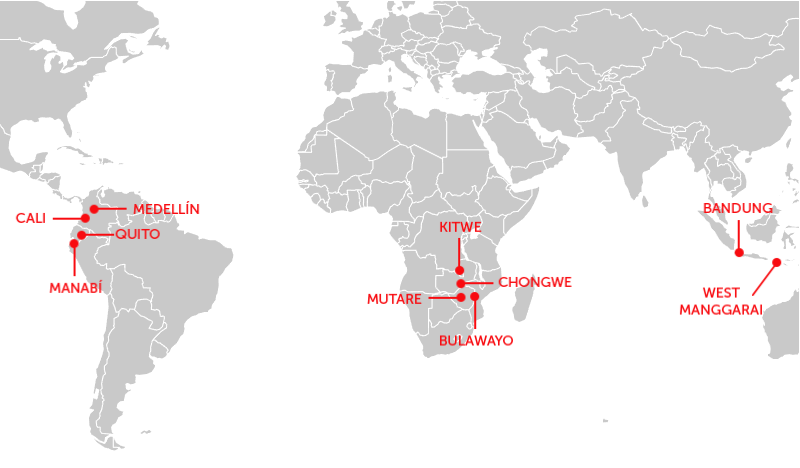
Periodo y presupuesto
De enero de 2023 a 2027, 19,5 millones de euros
Actividades previstas
En la fase inicial de 2023 se localizará el marco del programa en cada ciudad-región y se crearán estrategias de trabajo conjuntamente con socios y expertos locales. A medida que esto se desarrolle y el programa se consolide, encontrará más actualizaciones aquí. Las actividades se centrarán en tres áreas:
- Influir y apoyar el desarrollo y la aplicación de políticas alimentarias urbanas transformadoras a través de plataformas de múltiples partes interesadas y movimientos juveniles.
- Dar forma a nuevas narrativas que re-imaginen ciudades inclusivas y resilientes al cambio climático para inspirar cambios de comportamiento e influir en los patrones de consumo.
- Promover el crecimiento de jóvenes emprendedores de la alimentación sostenible incrementando la disponibilidad de recursos que los favorezcan.
Socios
El programa está gestionado por Hivos y cuenta con el apoyo de RUAF Global Partnership on Urban Agriculture and Food Systems y de socios, redes y expertos locales. En Indonesia, Urban Futures es ejecutado por la organización asociada a Hivos Yayasan Humanis dan Inovasi Sosial.
Donante
Fondation Botnar es una fundación filantrópica suiza que trabaja para mejorar la salud y el bienestar de personas jóvenes que viven en ciudades de todo el mundo. Defendiendo la inclusión de las voces de personas jóvenes y el uso equitativo de la IA y la tecnología digital, la fundación invierte en y apoya programas e investigaciones innovadoras, y reúne a actores de todos los sectores para crear diálogo y asociaciones.