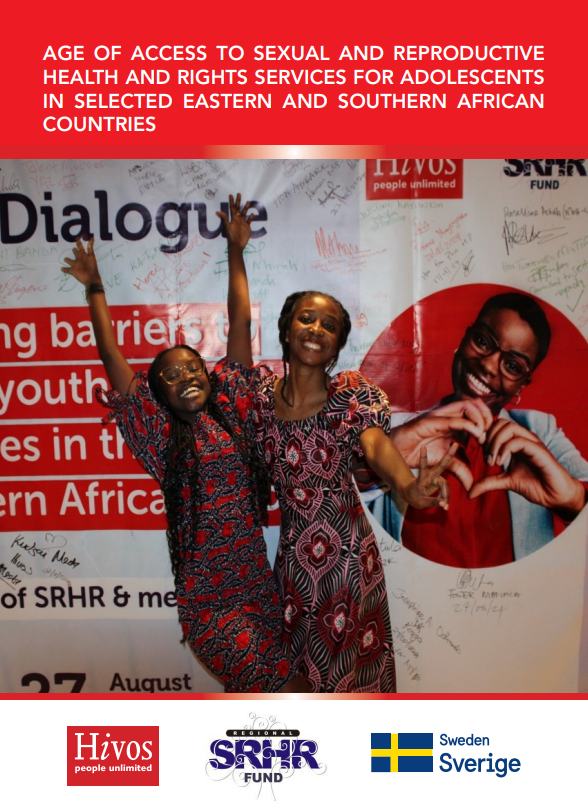
Technical Brief: Navigating Age of Access to SRHR Services in East and Southern Africa
The Regional SRHR Fund’s latest technical brief aims to support an evidence-led advocacy process by focusing on age of access to Sexual and Reproductive Health and Rights (SRHR) services for adolescents in selected Eastern and Southern African countries. By analyzing current legal and policy frameworks, the brief explores how age of access regulations impact the ability of adolescents and young people to secure essential SRHR…
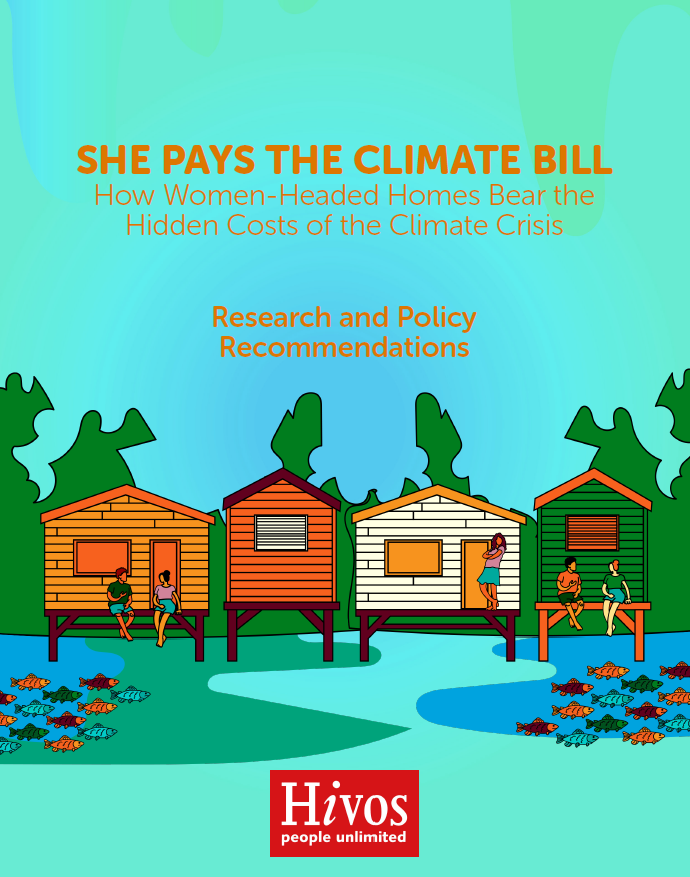
Climate Bills: Research and Policy Recommendations
Hivos and local partners in Brazil and Zambia conducted mixed-methods research with 236 households to better understand how climate change is reshaping daily life, budgets, emotional wellbeing, and survival strategies.
Urban Futures: Laying the Groundwork for Change
In this report about the first phase of the Urban Futures program, you will read about results that mark the beginning of youth-led food system transformation.
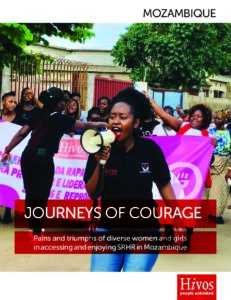
Journeys of Courage: Mozambique
This booklet brings together accounts of young women whose lives reveal the daily realities behind Mozambique’s SRHR landscape.
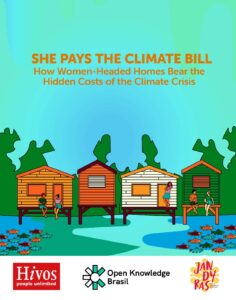
She Pays the Climate Bill
New research reveals a systemic and invisible injustice: women and low-income families across the Global South are paying the real costs of the climate crisis; not governments, and not the corporations most responsible for emissions.
Voices for Just Climate Action in Zambia
Through the VCA program, Hivos has supported 12 local organizations in Zambia addressing the water, food, energy, health, and gender impacts of climate change. In this publication, we look at the program’s impact and achievements.
Joint statement on defending girls’ rights on ending child marriage in the SADC region
The undersigned organization are gravely concerned that every year, 12 million girls are married or in unions worldwide with an estimated 640 million girls and women alive today who were married as children.
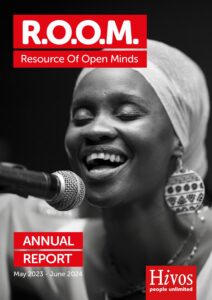
R.O.O.M. Annual Report 2024
The Resources of Open Minds (R.O.O.M.) program is a great example of how creativity can challenge the status quo. This is the program’s Annual Report 2024.
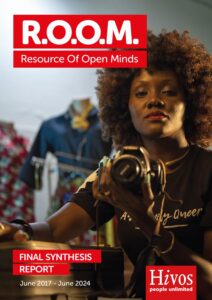
R.O.O.M. Final Synthesis Report
Ending in 2024, the R.O.O.M. program empowered creators across Africa and the Middle East to amplify diverse, alternative ethical and social narratives in societies where public space continues to shrink. This is the program’s final synthesis report.
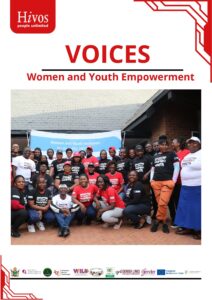
Women’s Newsletter 2024
In this newsletter, you can read stories from the Women and Youth Inclusion for Equality program about increased participation of women and youth at all levels of political and civic life in Zimbabwe.
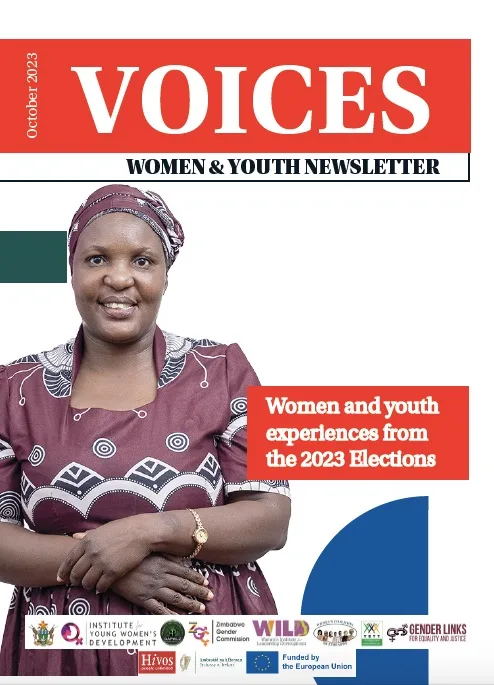
Women & Youth Voices Newsletter
This edition of the Women & Youth Voices Newsletter celebrates the women and youth that we work with through our various programs. As we reflect on the 2023, with a focus on the elections held in August 2023 in Zimbabwe, it is clear that women and youth played a critical role in shaping the outcome.
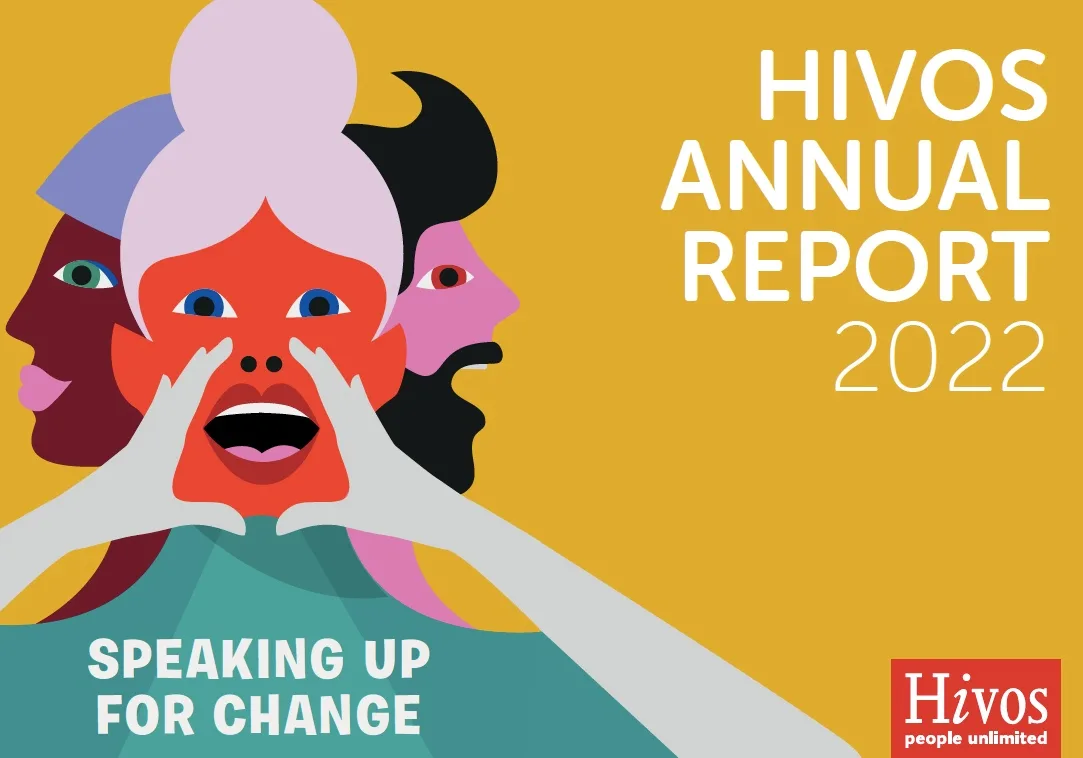
Annual Report 2022
Despite the challenges of 2022, we also saw positive developments. Hivos and its partners achieved successes in areas of gender equality and diversity, climate justice, and civic rights. A selection of these can be found in our Annual Report 2022. The annual accounts are also included in this report.
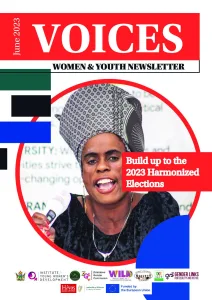
Voices Newsletter
2023 is a decisive year in Zimbabwe – not only for Hivos’ work to empower women – but this August Zimbabwe is holding its Harmonized Elections (parliamentary, provincial, local and presidential elections). It is a time that offers opportunities for women in politics to step up and be recognized as leaders. Stories from across the…
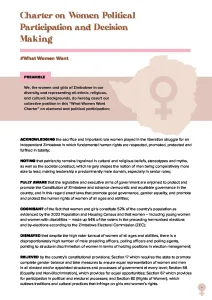
Charter on women political participation and decision making
In February 2023, various women’s rights organizations came together and produced an election charter seeking gender equality within political parties in Zimbabwe.
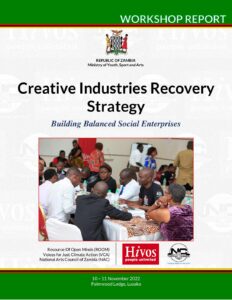
Creative Industries Recovery Strategy Workshop
Together with the National Arts Council of Zambia (NAC), Hivos organized a workshop to help creatives, artists and lobbyists think of new critical ideas for the sustainability of the arts in Zambia. Their views were also used in formulating Zambia’s National Arts Policy.