Growing up in Zimbabwe, Sukoluhle learned early on what it felt like to be treated differently. As a young woman with a disability, she faced discrimination both at school and in her community. Many people believed disability was a curse. Others assumed that people with disabilities could never be leaders, decision-makers or active members of society.
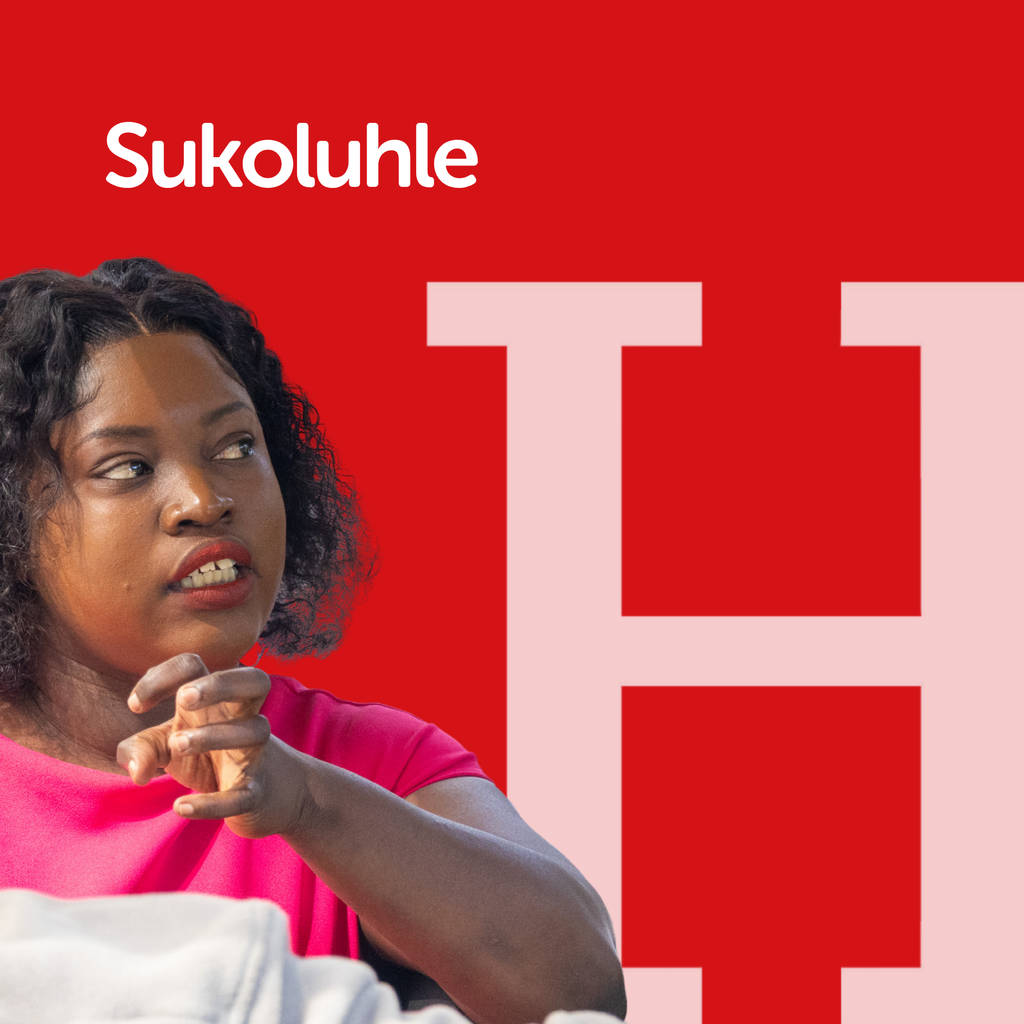
Meet the defenders
Meet the defenders is a series highlighting inspiring human rights activists supported by Hivos. This work needs your support. Your contribution helps protect lives and sustain the human rights movement.
I was called names that made me feel less human.
“It becomes difficult to fit into the community when people see your disability before they see you.” For years, Sukoluhle experienced the barriers that many women with disabilities still face today: exclusion, discrimination and a lack of opportunities to participate in decisions that affect their lives.
Refusing to accept the status quo
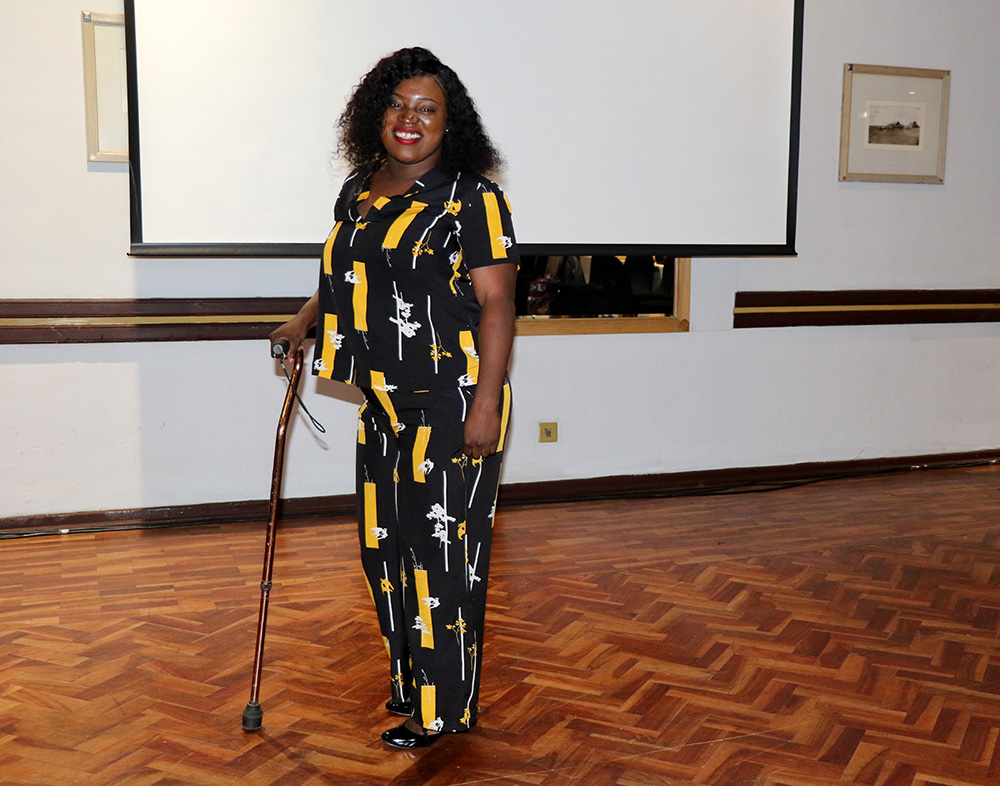
Instead of accepting those barriers, Sukoluhle decided to challenge them. Drawing on her own experiences, she began speaking out about the rights of people with disabilities. She wanted to prove that disability does not define a person’s value, potential, or ability to lead. Through leadership and advocacy training supported by Hivos, she gained the confidence and skills to engage decision-makers and advocate for change.
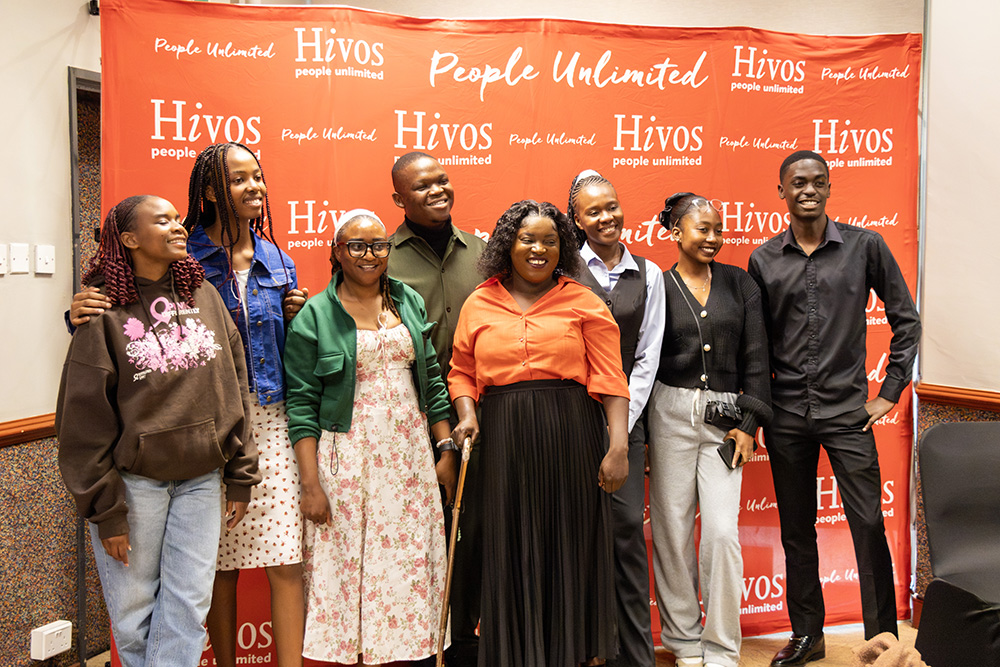
Sukoluhle is one of many women in Zimbabwe who, with support from Hivos, have strengthened their leadership skills, raised their voices in public decision-making spaces and challenged the barriers that keep women with disabilities from exercising their rights.
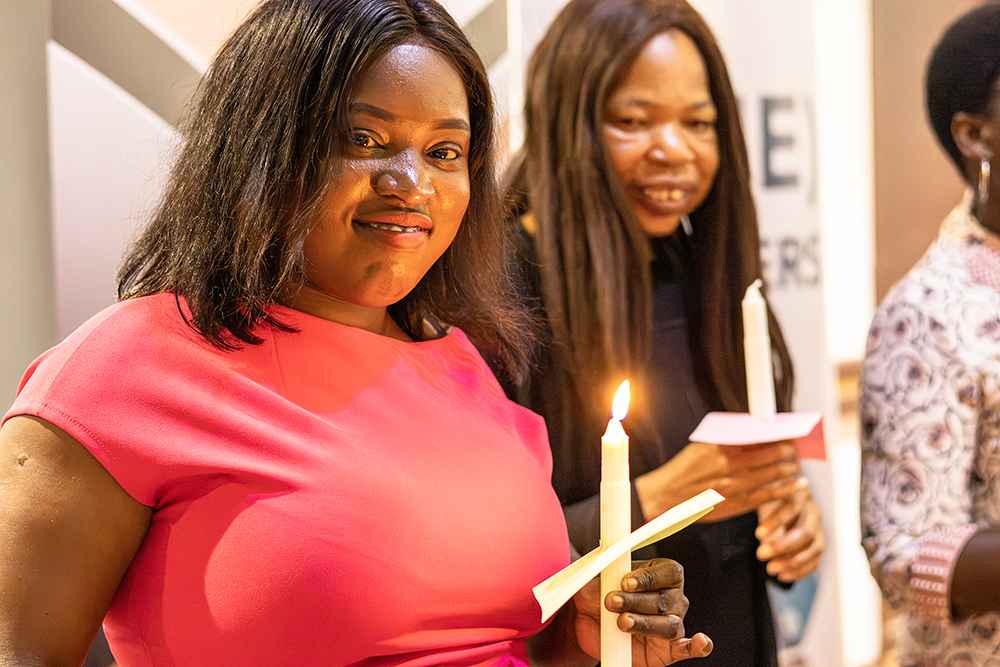
“We were taught to stand up for ourselves, to know our rights and to see ourselves as people first,” she says. “Those trainings helped me find my confidence.” Over time, Sukoluhle became an outspoken advocate for women and people with disabilities. She mobilized others, engaged local authorities, and pushed for policies that would make communities more inclusive.
Turning advocacy into real change
One of the moments that she realized her efforts were making a difference came when she helped advocate for a disability policy in her city. The policy addresses issues such as access to housing, education, employment and public services for people with disabilities.
She also successfully advocated for sign language interpretation during city council meetings, ensuring that deaf residents can access information and participate in public life. Today, sign language interpreters are present in these meetings. The victories might seem small, but for thousands of people with disabilities, it means recognition, inclusion and the right to be heard.
The fight is far from over
Despite this progress, many barriers remain. When Sukoluhle tried to enter local politics, she encountered the prejudice she had spent her whole life fighting. People questioned whether someone with a disability could represent the community. Her name was eventually removed from a candidate list, a setback she describes as one of the hardest moments of her activism.
Today, women with disabilities remain severely underrepresented in political leadership and decision-making processes in Zimbabwe. Although policies exist, implementation is often slow and resources are limited. Many women with disabilities are still excluded from public life and denied opportunities to participate equally in society.
But Sukoluhle refuses to give up. “I am here to stay,” she says. “I must keep pushing so that people with disabilities can enjoy their rights.” Her dream is to become a councilor or member of parliament, helping shape policies that affect the lives of people with disabilities across Zimbabwe.
Help make change possible
Across the world, courageous activists like Sukoluhle are challenging discrimination, demanding equal rights and creating opportunities for others to participate in society. Their work is changing lives, but progress requires continued support.
With your donation, Hivos can continue supporting women and activists, strengthen local movements and help ensure that people with disabilities have a voice in the decisions that shape their future. Because when people who have been excluded, finally gain a seat at the table, entire communities become stronger.