Region: Global
-

Working together for living wages
How do you get governments, producers, retailers, certifiers and civil society to step up efforts together towards a living wage in the agri-food sector? You organize “The Only Way is Up!” – the first major European conference on living wages organized in seven years.
-

Electrifying Nepal
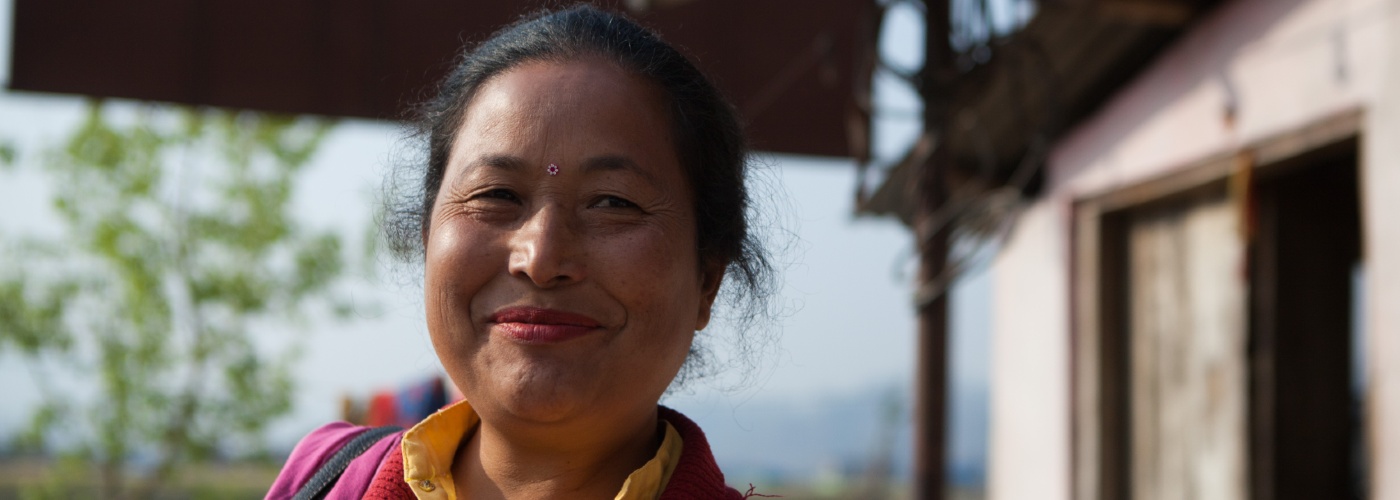
How Hivos’ civil society partners contribute to the growing energy access rate in NepalOur partner CRT/N provided training to sensitize municipalities about the many benefits of energy access. This soon resulted in allocated budgets and work plans for energy access in nine municipalities, largely for domestic clean cooking systems.
-
Implementing sexual harassment policies on flower farms
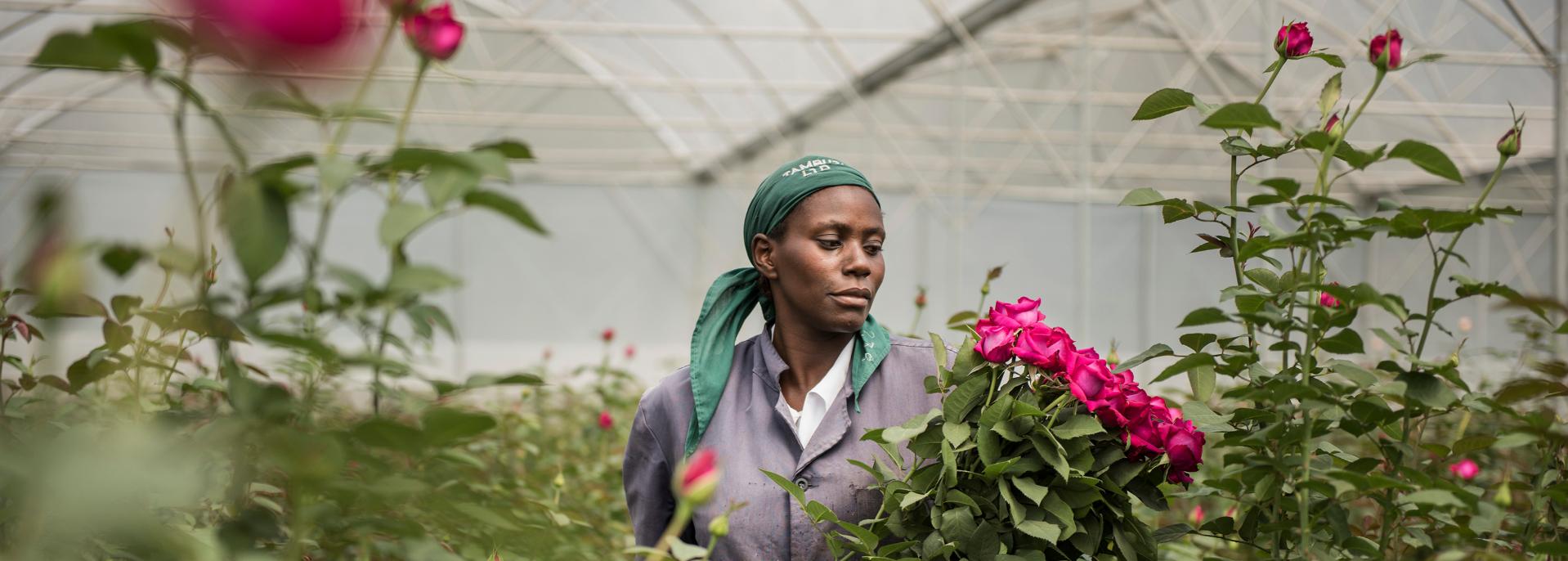
Together with partners, Hivos created the first anti-sexual harassment policy championing safe work spaces for workers in East Africa’s horticultural sector
-

There’s R.O.O.M. to be free at Hivos
Why art is important to Hivos Freedom of expression is the hallmark of democracy. It is a sign of societies where citizens are free to openly debate and contribute to a myriad of issues affecting their day-to-day lives. The Universal Declaration of Human Rights lists it as a fundamental human right.
-
A new PERSPECTIVE
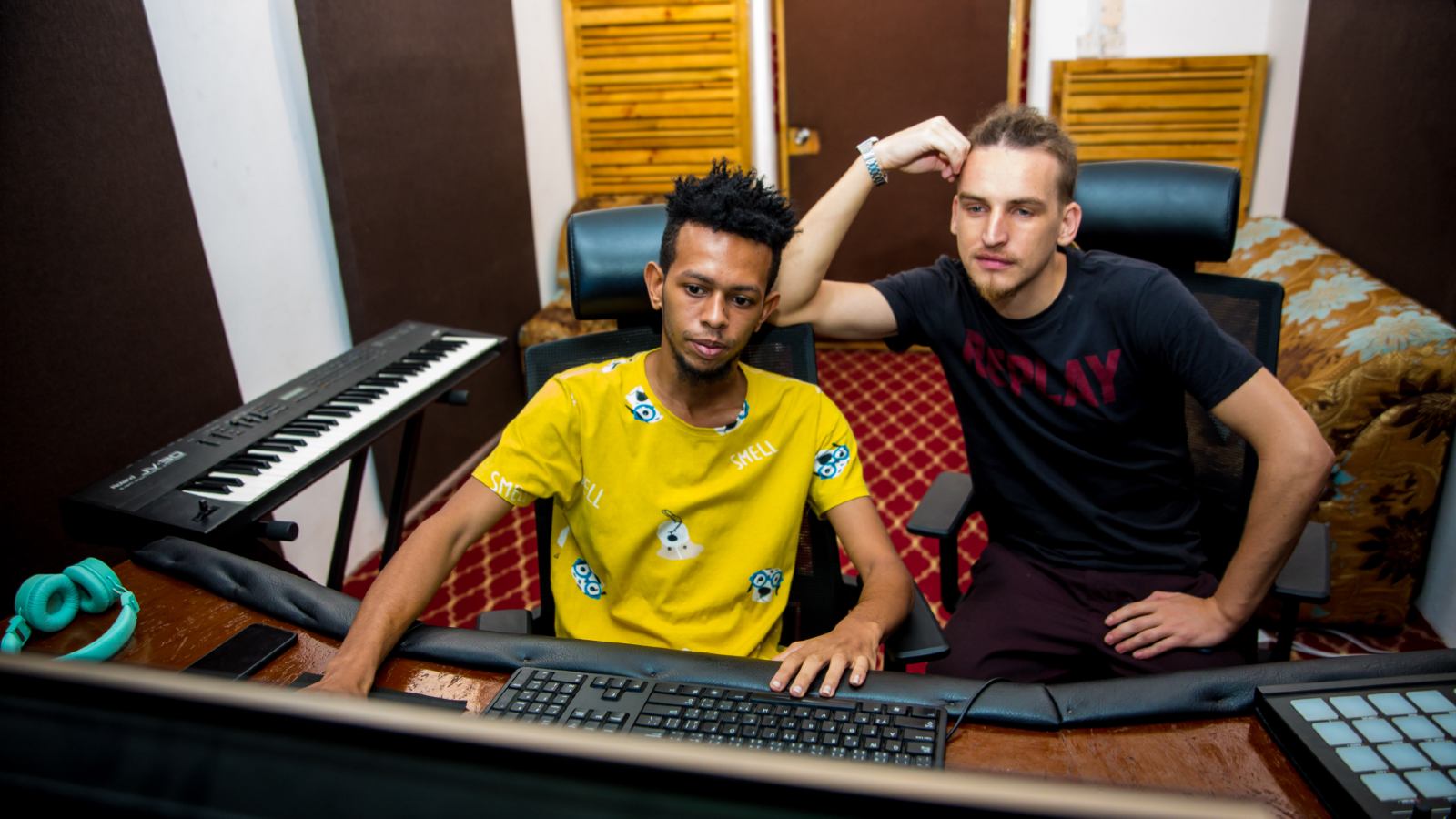
PERSPECTIVE is a project that encourages artists to develop fresh content that highlights social issues. Umuntu, the digital production company behind the project, offers an alternative African narrative. It combines augmented reality and music to criticize the state of “our past, present and future” in Zimbabwe and beyond.
-
Scenes of change
How can you fight discrimination against LGBTI people? In Zambia, the Umotto Centre of Culture decided to share stories. Their multimedia project Scenes of Change put exclusion and violations of human rights on the agenda.
-

Celebrating leading ladies in Zambian history
With a grant from Hivos’ R.O.O.M. program, the Women’s History Museum in Zambia produced a thought-provoking documentary podcast series exploring the influence of women leaders on Zambia’s development.
-
A sector worth billions whose employees now lack food and jobs
High food prices and loss of income have emerged as the major concerns for women working on flower farms in Kenya. A rapid assessment of the effects of COVID-19 by Hivos East Africa Women@Work indicates that food security is a major concern mainly due to job losses and increasing food prices.
-
The resounding silence to be broken
The theme of this year’s International Day Against Homophobia, Transphobia and Biphobia (IDAHOT) is: “Breaking the Silence” Ever since the first case of COVID-19 in Kenya on March 13 2020, we have been bombarded with information about the virus. As the government took certain measures to keep Kenyans safe, vulnerable populations were left perplexed on…
-
IDAHOT 2020: discrimination is on the rise during the corona crisis
In the run-up to IDAHOT on May 17, the International Day Against Homophobia, Transphobia and Biphobia, we’re sharing stories from the countries where Hivos is committed to the LGBT community. In more than 25 countries, we work with LGBT organizations and activists. That collaboration often goes back decades. Slowly but surely, we are working on…
-

Nicole: black and indigenous; activist and mother, defending human rights in Honduras
Nicole isn’t just an afro. She is a woman, she is black, she is indigenous, she is Garifuna. A manager, an activist, a mother, a daughter, a sister – and much more. And we also know she is ready to defend her entire family and the entire community from the prejudice that has haunted them…
-
COVID-19 ravages women’s jobs on horticulture farms
Casual workers have suffered the impact of the COVID-19 pandemic as most farm owners have shut the door for non-resident workers despite them constituting the majority workers on most farms, as a way to curb the spread of the virus.