Region: Latin America
-
Hivos’ implementation “exceeds Global Fund’s expectations”
The Hivos program “Women, Human Rights and HIV,” implemented in collaboration with ICW Latina, was positively rated with an ‘A1 performance,’ which is the highest possible rating given by its donor, The Global Fund to Fight AIDS, Tuberculosis and Malaria. During a three-year period, the program succeeded in helping women draw up a regional agenda…
-
A grandmother’s revolution
Elena has worked for 65 of her 81 years. She moves swiftly, but calmly through the kitchen while preparing a picadillo*, making handmade tortillas and pouring coffee almost simultaneously. She explains she wants to have everything ready before her granddaughter Shi arrives. Another of her grandchildren walks through one of the kitchen’s many doors, and…
-
One step closer to equality
By Anthony Marten, Communication Officer Hivos Latin America Jess Marquez has become the first trans person in Costa Rica to legally have his gender recognized. “It’s not about me. It’s about guaranteeing rights for everyone,” Jess Márquez stated after becoming the first migrant trans person to have his chosen name and gender reflected on his…
-
La revolución de una abuela
Elena ha trabajado 65 de sus 81 años. Se mueve rápida, serena por su cocina mientras prepara un picadillo, palmea tortillas y chorrea un café de forma casi simultánea. Me explica que quiere tener todo listo para cuando llegue su nieta Shi. Vive en una casa de muchas puertas, por las que entran y salen…
-
Dime lo que comes y te diré quién eres
El discurso internacional ha migrado de “debemos alimentar al mundo” a “debemos nutrir al mundo” y “debemos nutrir al mundo de forma sostenible para el planeta”. Quizás nos quedamos cortos al enmarcar nuestra lucha en estos términos, porque olvidamos u omitimos lo que la comida y la alimentación es realmente para las personas. Para las…
-
Un paso más hacia la igualdad
Blog por Anthony Marten, mayo 8, 2019 Jess Márquez se convirtió en la primer persona trans que ve su identidad de género reconocida en un documento de identidad de persona migrante en Costa Rica. “Esto no es sobre mí. Esto se trata de garantizar todos los derechos para todas las personas”, señaló Jess Márquez luego…
-
La gesta histórica del pueblo Waorani para proteger la Amazonía de la extracción petrolera
El pasado viernes, 26 de abril, el pueblo indígena Waorani de Ecuador marcó un precedente histórico para proteger más de 500,000 acres de extensión de bosque lluvioso de la extracción petrolera. El pueblo demandó a los tres poderes del gobierno ecuatoriano por desarrollar un proceso de consulta comunitaria dudoso con el fin de iniciar un…
-
The Waorani People’s historic victory to protect their ancestral lands from oil drilling
Update, September 2020: We are very proud that our All Eyes on the Amazon partner and Waorani leader Nemonte Nenquimo from Ecuador, who led her people’s historic victory against oil drilling on the Waorani territory, is on TIME Magazine’s 2020 list of the 100 most influential people in the world. On April 26, the Waorani…
-
Hivos y el Ministerio de Salud de Bolivia promueven el respeto por la diversidad
En Bolivia, el miedo y la estigmatización son las razones por las cuales muchas personas excluyen e irrespetan a otras personas debido a su estado de VIH, su orientación sexual (real o percibida), su identidad y su expresión de género. Las personas de la comunidad LGBTI muchas veces enfrentan discriminación y viven sin muestras de…
-
Indigenous environmental monitor Cristian Javá died in Peru after attack by invaders
Hivos and Greenpeace are deeply saddened by the death of the environmental monitor Cristian Javá (22) from the indigenous community of La Petrolera, who died after an attack by illegal invaders that entered the indigenous territory. Javá was part of the PUINAMUDT, one of the local partners that receives support from the All Eyes on…
-
Hivos and the Bolivian Ministry of Health promote respect for diversity
In Bolivia, fear and stigmatization cause many people to ostracize and disrespect people because of their HIV-status, their (actual or perceived) sexual orientation, gender identity and expression. Members of the LGBTI community are often discriminated against, and live without expressions of affection – even from their own families. They experience unequal treatment in the workplace…
-

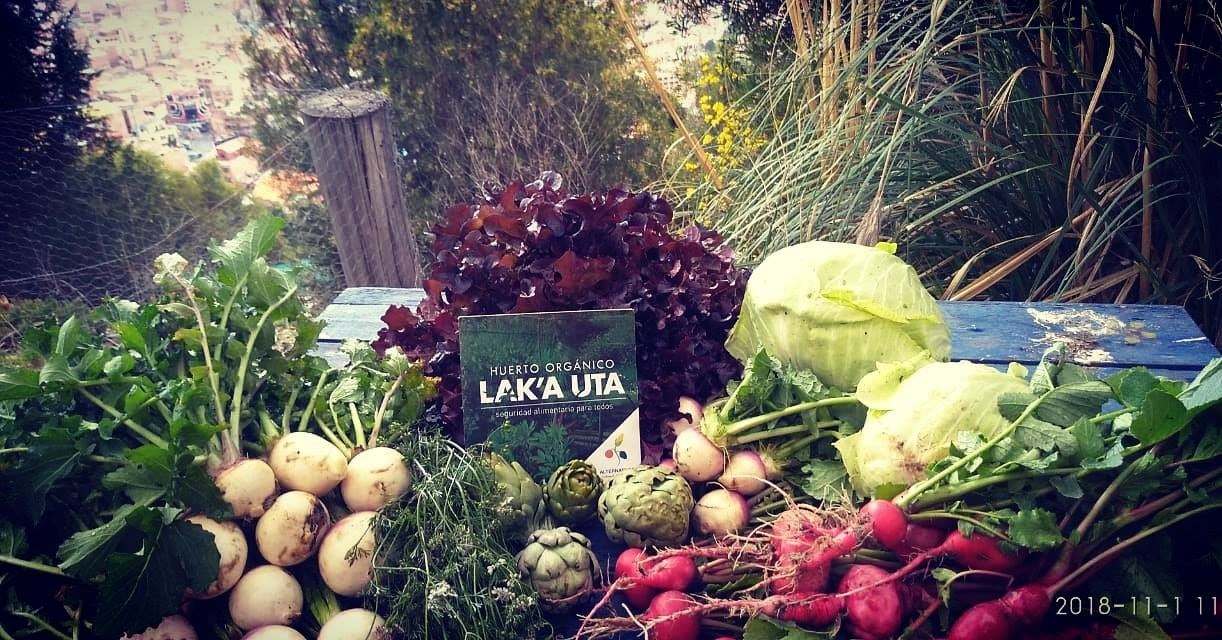
Making urban food policy a reality in Bolivia
In Bolivia, municipal, departmental and national authorities now have more information and knowledge today regarding the challenge of food insecurity than ever before. They understand the importance of promoting food security and actively incorporate it into development planning at the local and national levels. The food system and food-related issues are becoming pillars of public…