Urban Futures is a global program focusing on urban food systems, youth well-being, and climate action, with local partners in Colombia, Ecuador, Indonesia, Zambia, and Zimbabwe.
Why food systems need to change now
Our current food systems are not meeting the needs of people or the planet. Food systems are responsible for 34% of global greenhouse gas emissions, yet the “triple burden” of nutrition is increasing. At the same time, rapid urbanization will result in 68% of the world’s population living in urban areas by 2050. As cities already consume nearly 80% of all food, urban food systems have a major local and global impact on issues including climate change, youth wellbeing, and economic opportunity.
Youth action for inclusive, climate-resilient urban food systems
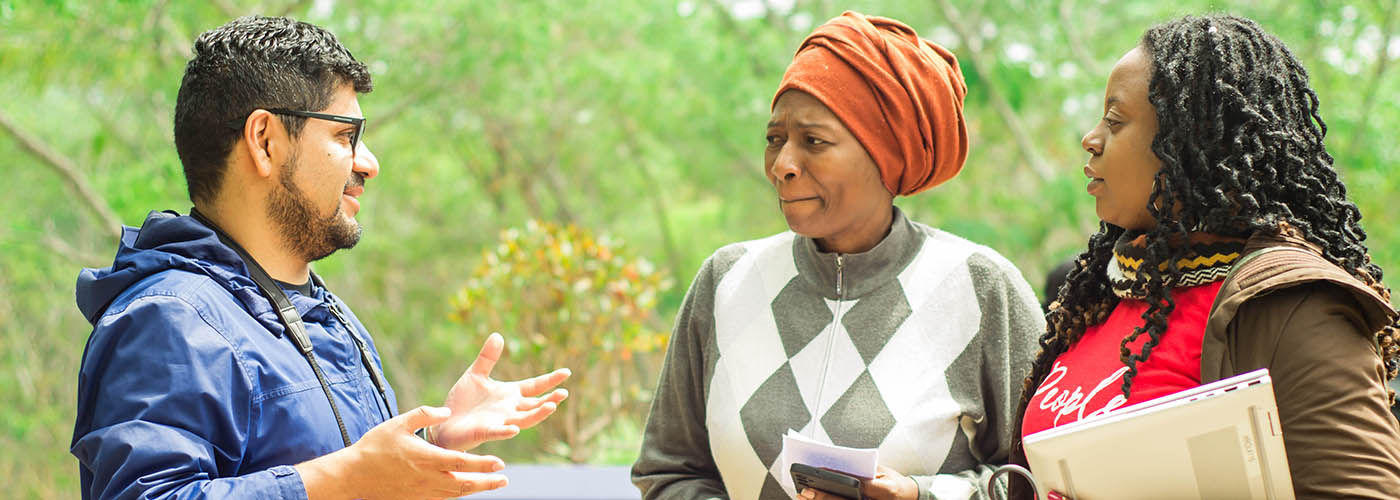
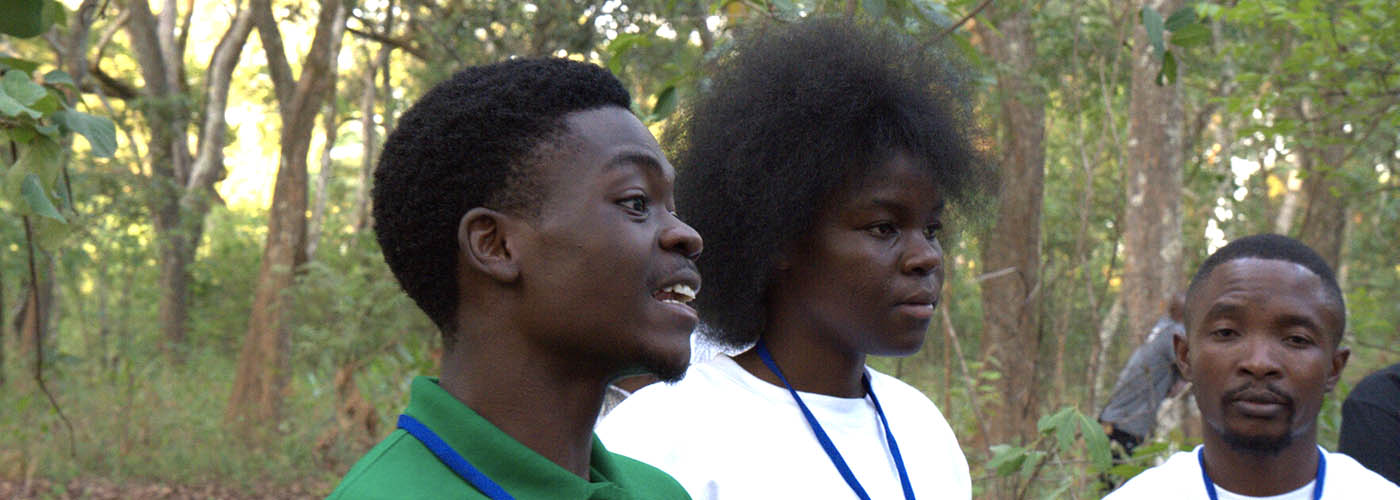
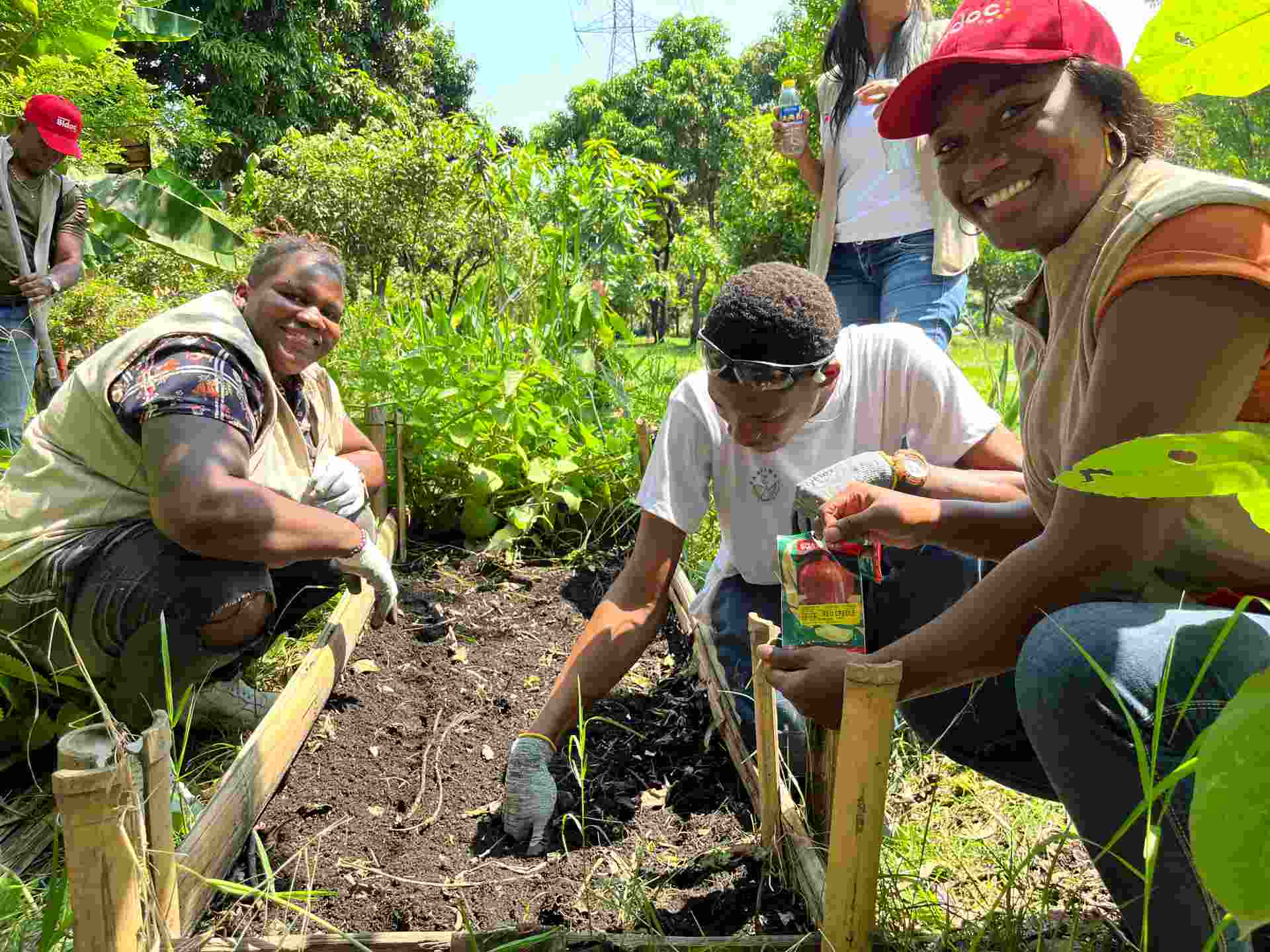
Young people have become the protagonists of transformation. Urban Futures supports local partners and innovators, especially young people, in building more inclusive, climate-resilient urban food systems, voicing their priorities, influencing decisions, and seizing opportunities in the food sector.
Guiding pillars
Through four central pillars, the Urban Futures program develops integrated strategies:
1. Inclusive, transparent, and participative governance
2. Campaigns around inclusive, climate resilient and aware cities
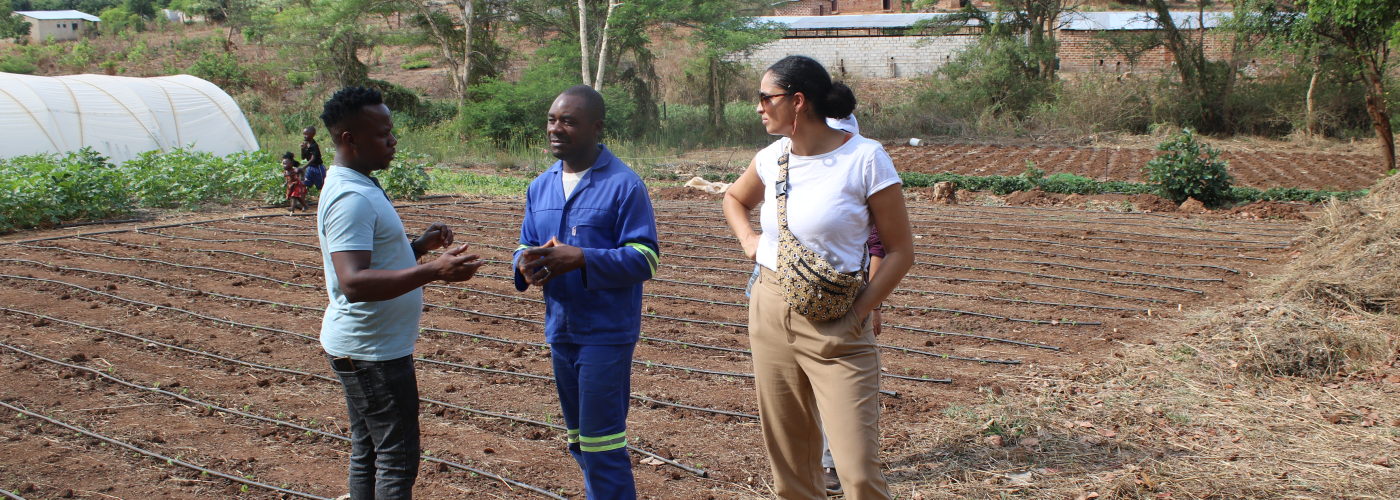
3. Sustainable and climate-resilient agri-food systems
4. Financial flows to climate-resilient and sustainable food systems
Where
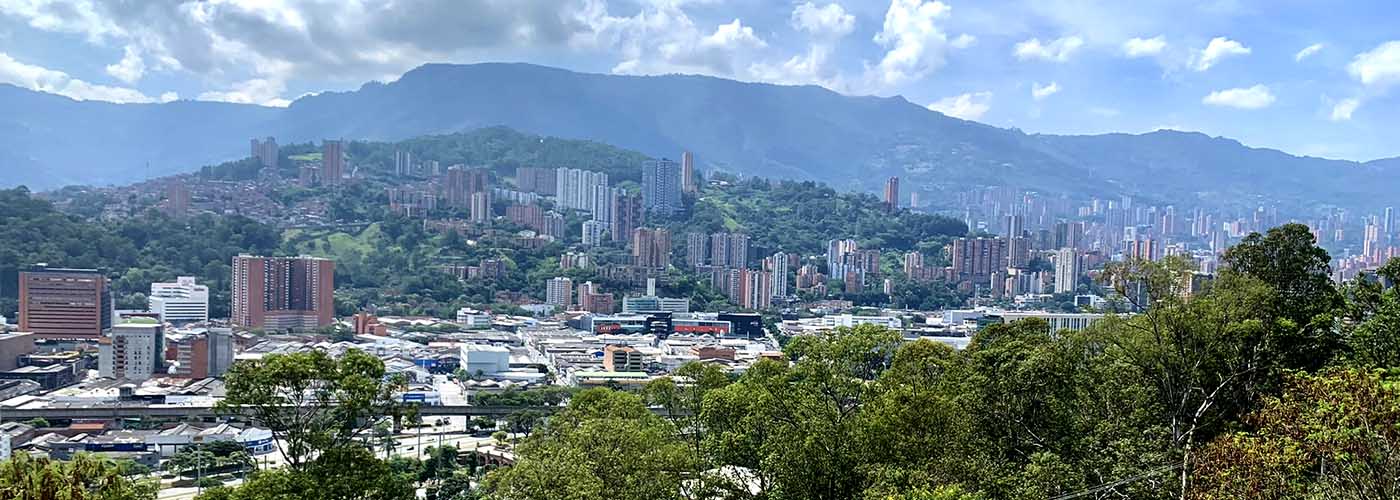
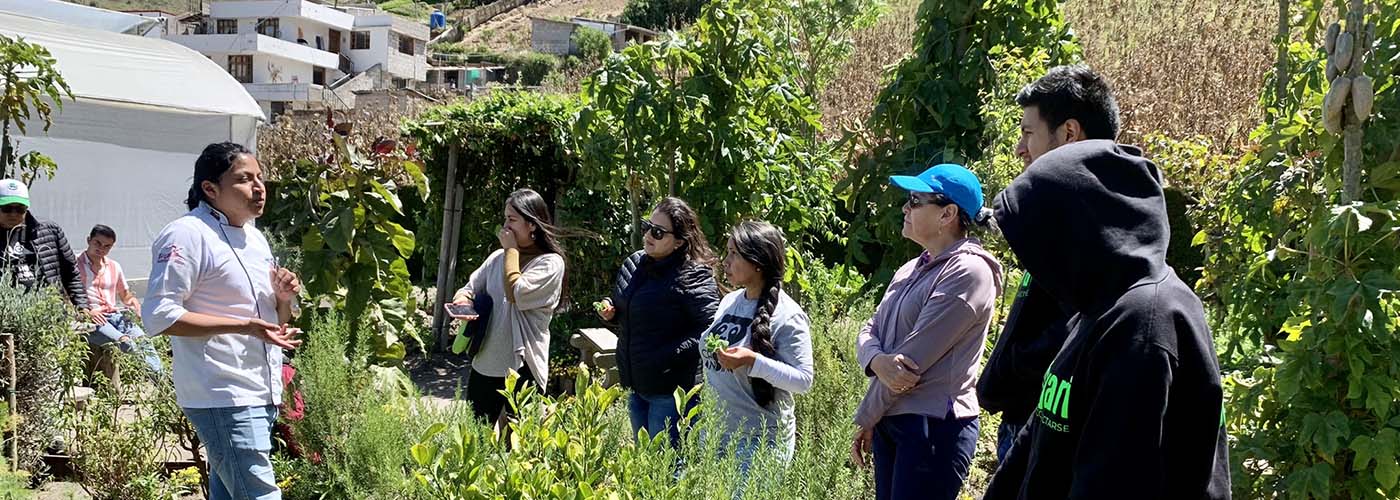
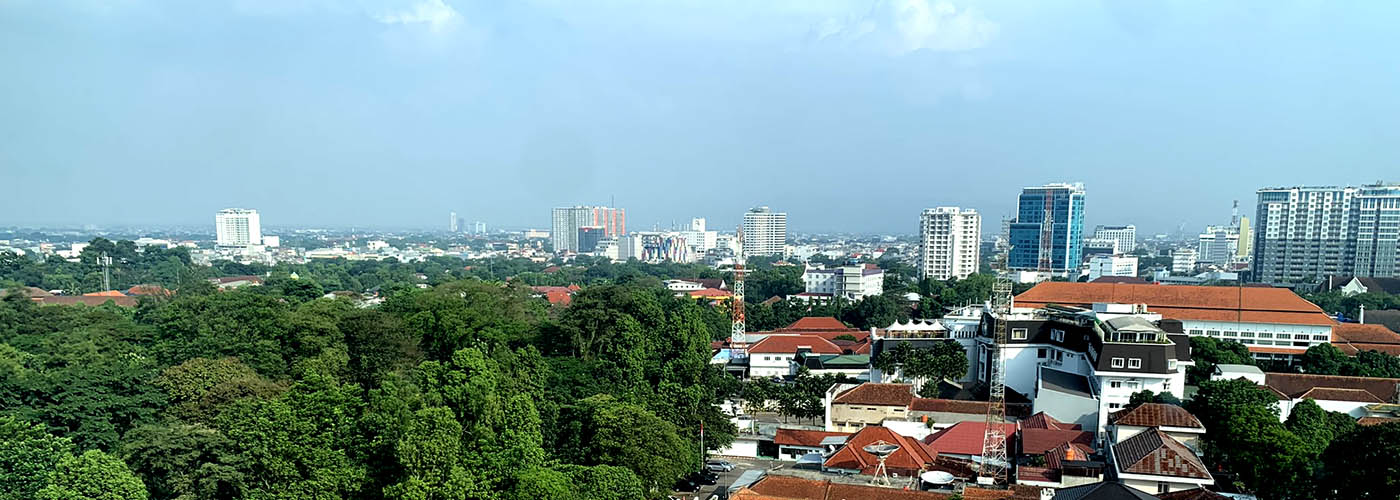
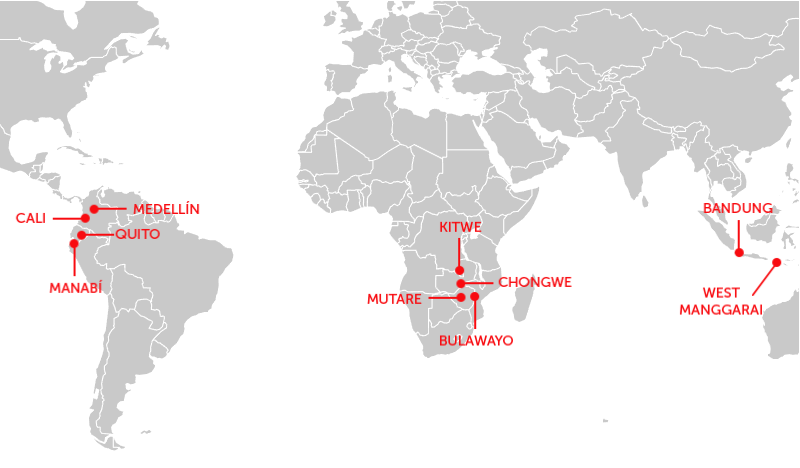
In ten intermediary cities in Colombia, Ecuador, Indonesia, Zambia and Zimbabwe.



Period and budget
January 2023 to 2027, €19.5 million
Partners
The program is managed by Hivos and supported by RUAF Global Partnership on Urban Agriculture and Food Systems and local partners, networks and experts. In Indonesia, Urban Futures is implemented by Hivos partner organization Yayasan Humanis dan Inovasi Sosial.
Donor
About Fondation Botnar
Fondation Botnar is a Swiss philanthropic foundation working to improve the health and wellbeing of young people living in cities around the world. Advocating for the inclusion of youth voices and the equitable use of AI and digital technology, the foundation invests in and supports innovative programs and research, and brings together actors from across sectors to create dialogue and partnerships.