The current global food system is both a major driver of climate change, and also increasingly vulnerable to it. At COP28, 150 countries signed a declaration recognizing that unprecedented climate impacts threaten food security. Solutions to the climate and food crisis do exist and are viable; what is lacking is the political will, and opportunities and resources for citizens and civil society to make this happen in a way that leaves no one behind.
A just transition to a climate-resilient world is only possible if youth, women and other groups such as Indigenous people, fisherfolk, pastoralists, and other vulnerable small-scale food producers and communities are at the heart of discussions and solutions. Hivos builds agency and creates platforms for these groups to participate, influence and act.
Food as a driver of climate change
The food system is responsible for over 30 percent of greenhouse gas (GHG) emissions as well as biodiversity loss, deforestation and soil depletion. The UN Food and Agriculture Organization (FAO) estimates that by 2050 the world’s growing population will need about 50 percent more food. Unless we dramatically change prevailing farming methods, this expansion is going to drive significant increases in GHG emissions and biodiversity loss. We need regenerative practices that restore the natural resource base and build resilience in the people and infrastructure across food supply chains from production to consumption and waste management.
The growing food security challenge in cities
By 2050 an estimated two-thirds of the world’s population will live in cities. Urban food security will be severely affected by climate change through reduced supplies and damage to infrastructure. Millions of city-dwellers have such low incomes that any rise in food prices puts their health and nutritional status at risk. Women are especially vulnerable to such shocks, not only because they represent 70 percent of the 1.3 billion people living in poverty, but also because they are the first to skip meals or eat less when prices go up.
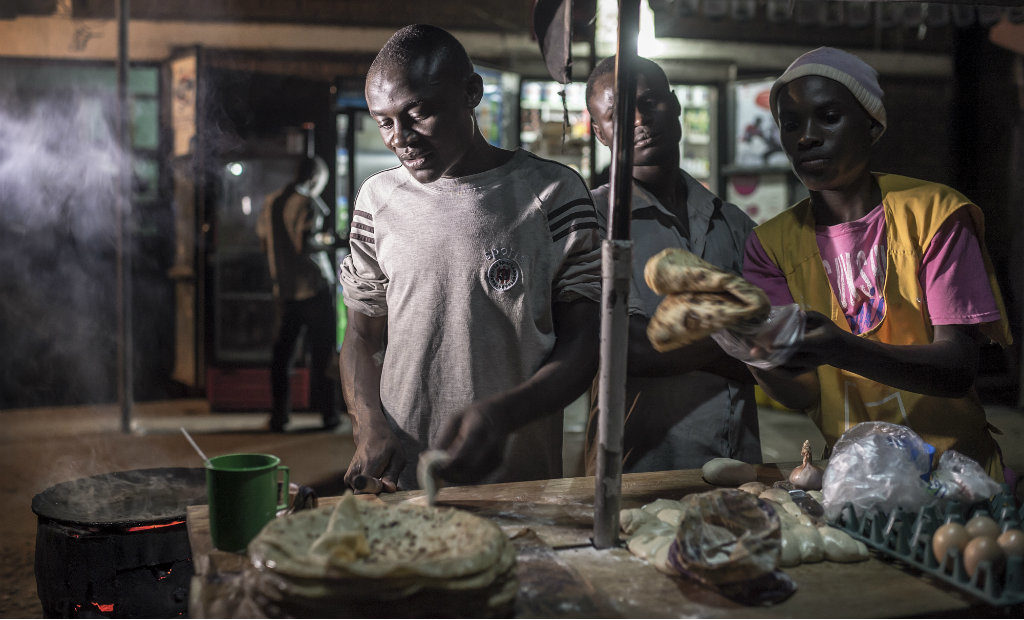
In Fort Portal, Uganda, Hivos Food Change Lab participants successfully challenged a 1930s ban on street vending. Fort Portal became the first municipality to overcome these legal constraints, which led to improvements to the infrastructure (lighting and water) for informal street food vendors, who provide nutritious food for low-income consumers.
Cities as champions of sustainable food systems
Cities consume nearly 80 percent of all food produced, and municipal authorities hold important powers to change food systems through their climate action strategies (e.g. via procurement, authority over land-use zoning, and waste management). Moreover, the co-benefits of climate change adaptation measures are largest in cities.

Working with the Bulawayo Vendors and Traders Association and Lupane State University, our Urban Futures program created a tailor-made Green Skills course and sponsored 60 competitively selected young entrepreneurs to earn qualifications and seed funding to help their small healthy food businesses grow.
Power imbalances in food policies
Our current global food system is increasingly dominated by a shrinking number of giant companies. Marginalized groups like the urban poor, street vendors and smallholder farmers have few opportunities to influence climate and food policies, especially if they are young, female or Indigenous. However, trends towards decentralizing government to provincial and local level create opportunities to close this gap.
Finance
In both rural and urban areas, subsidies, incentives and infrastructure investments tend to favor commercial interests such as agribusiness and supermarkets. This comes at the expense of small producers and informal vendors who are vital to the food security of people living in poverty.
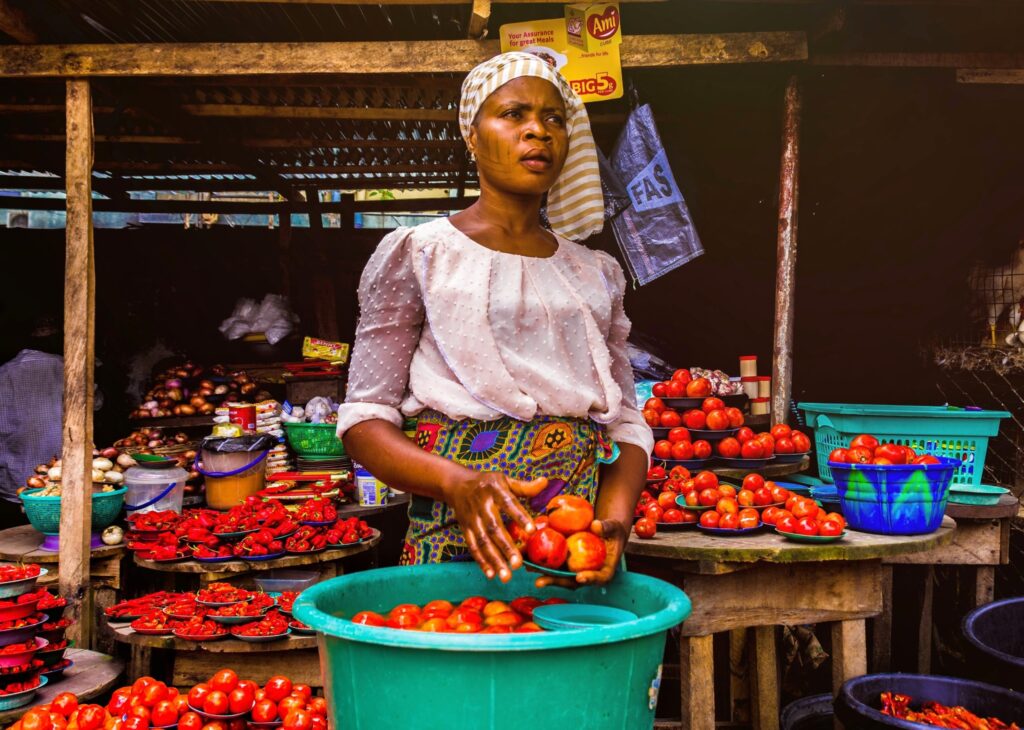
The Hivos Triodos Fund was created by Hivos and Triodos Bank in 1994. One of its focus areas is investments in ecologically and socially resilient food systems. In 2023, the fund size was 58.2 mil euros and reached 295,300 small-scale farmers. It invested in agri-tech businesses, fair-trade companies and coffee exporters
Health
Conventional agriculture uses large volumes of chemicals, antibiotics, and growth hormones that damage human health by polluting our water and infiltrating our food. Agribusiness churns out calorie-rich but nutrient-poor grains, which are then turned into cheap ultra-processed foods that replace healthier and more environmentally friendly local crops. This is contributing to the worldwide rise in preventable diseases linked to diet, such as heart disease and diabetes (UNEP).
What do we do?
-
The urban poor, women, youth, informal traders and vendors are usually excluded from decision making and are unaware of their right to participate or access public funds. Hivos creates or strengthens multi-actor platforms such as food policy councils or food change labs that convoke people (especially marginalized groups), government, private sector, researchers and other key actors. Together, they learn, share perspectives, prioritize issues, co-create a vision, and influence local food and climate policies and plans.
-
Transparency and access to local public finance
Most people, especially poor and vulnerable groups, have little knowledge of their rights or of the existence of public funds to support them. So, we raise awareness amongst citizens of their right to know about and access this funding. Then we increase public engagement and access to funds, e.g. local development funds, and push for increased allocations for sustainable local climate and food solutions, especially from women, youth and marginalized groups.Supporting entrepreneurs and SMEs
Huge investment is needed in sustainable solutions for the climate and food crises. The informal sector, micro-entrepreneurs, and even SMEs (who create two-thirds of all jobs globally) are the backbone of developing economies, yet they get very little support as they are not “bankable.” Hivos offers support to socially and environmentally conscious entrepreneurs from the start-up phase through to becoming sustainable businesses with long-term impact. We do this either directly, e.g. by providing seed funding, or by strengthening the business support providers that can help them flourish. -
The voices and needs of those hardest hit by climate and food issues must be heard in a way that connects them to peoples’ emotions and inspires collaboration and behavior change. We work with artists and other creatives, media, influencers, and youth to tell the stories of those who are hardest hit by the climate and food crises. The priorities and needs of the most vulnerable should be center stage — this is justice.
-
We work closely with mayors, councilors, town planners and other municipal actors to build technical knowledge (often through joint research), strengthen relationships with citizens, and support action for more inclusive climate-resilient food systems. For entrepreneurs, especially women and youth, we offer training, mentoring, networking, and seed funding to help develop and grow small businesses that offer solutions to the food and climate crises.
Who do we work with?
- Local government (duty bearers) – mayors, councilors, town planners, all key departments with a role in local food system governance
- Marginalized citizens (rightsholders) – especially women and youth, value chain actors including the informal sector, vendors and marketers, small scale producers, low-income consumers
- Civil society organizations including community-based organizations
- Entrepreneurs and SMEs whose work provides solutions
- Research institutions
- UN and (City) network organizations, such as RUAF, ICLEI and FAO
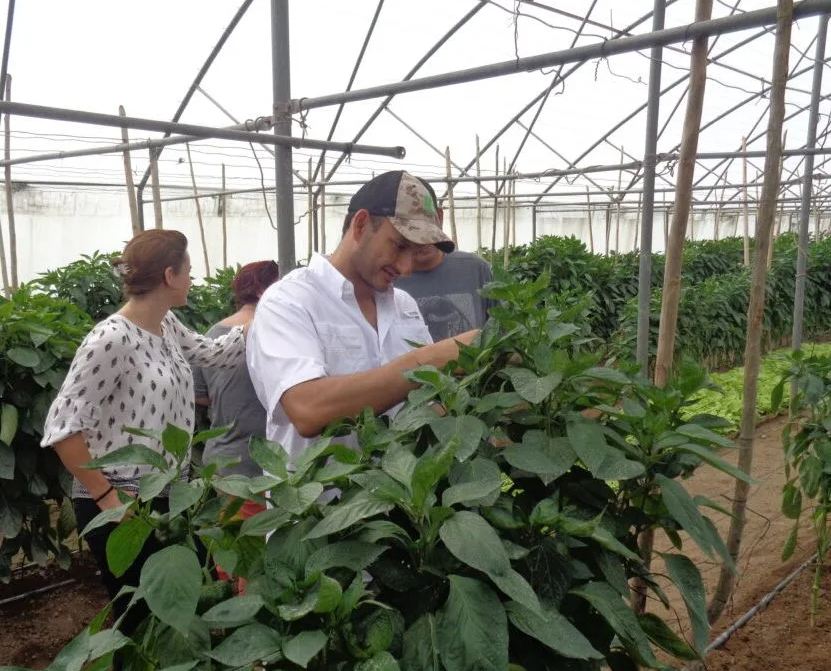
In Cuba, we promoted and improved sustainable agricultural practices and strategies, focusing on agroecological value chains and the circular economy. Some 2,300 food producers in 22 municipalities received training. We increased annual average production by 33-44 percent, improved income for 2,200 people, and created 637 new jobs.
About Hivos
Hivos has three strategic focus areas, Climate Justice, Gender Equality, Diversity and Inclusion (GEDI) and Civic Rights in a Digital Age (CRDA). This expertise is complemented by that of our large network of civil society partners.
We are keen to collaborate, co-create and scale up impactful programs with our implementation and development partners. Please contact Program Manager René van Veenhuizen at rvanveenhuizen@hivos.org or Climate Justice Business Development Manager, Gigi Wing-Davies gwingdavies@hivos.org.