In a simple room in Labuan Bajo, West Manggarai, Indonesia, a group of young people sit quietly in a circle. But their hands dance in the air, forming words and creating meaning. In their midst sits a facilitator, Frits. He not only teaches sign language but also creates a space that has long been underdeveloped: a space to be heard.
Frits is deaf and has been actively introducing BISINDO (Indonesian Sign Language) in his community for some time. In 2024, he moved to Labuan Bajo to work as a printing company designer. He soon noticed something missing: his new deaf friends in West Manggarai weren’t active in any formal spaces.
Strengthening sign language as a right to communication
Frits became involved in the Labuan Bajo Deaf Community to help start up an organization to serve their needs. Frits serves as secretary and is the driving force behind many activities, from weekly sign language classes to educational campaigns on social media.
For Frits and his community, the greatest challenge is not only limited social access, but also a shift in perspective. He and his community have expressed to the local government that the solution for the Deaf community is not just hearing aids, but more importantly, the strengthening of sign language as a right to communication.
Breaking barriers through Urban Futures
A significant turning point came when Frits joined the Urban Futures program. Through the implementation of KOPAJA consortium in West Manggarai, promoting the social participation of excluded groups, he ended up serving as a facilitator in various activities, moving from “beneficiary” to knowledge provider.
At the regional Linking & Learning Urban Futures forum in Bandung, Frits shared best practices from his West Manggarai community’s experience in creating inclusive spaces while introducing the concept of the right to healthy food for everyone.
He also supported his community’s entry in the “Sapa Bumi” idea competition organized by one of the Urban Futures consortia. Their idea was selected out of 20 submissions to receive development and implementation support. The focus of their initiative was a campaign for the right to food and nutrition for the deaf community.
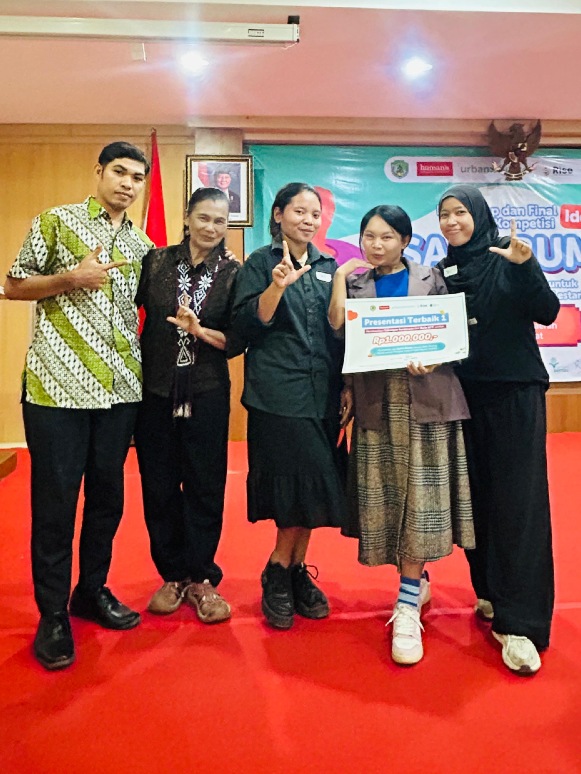
For Frits, this issue is important because information about healthy food, nutrition, and health in general is often not fully communicated to people with disabilities. As a result, many still struggle to access basic knowledge about healthy eating habits and proper nutrition.
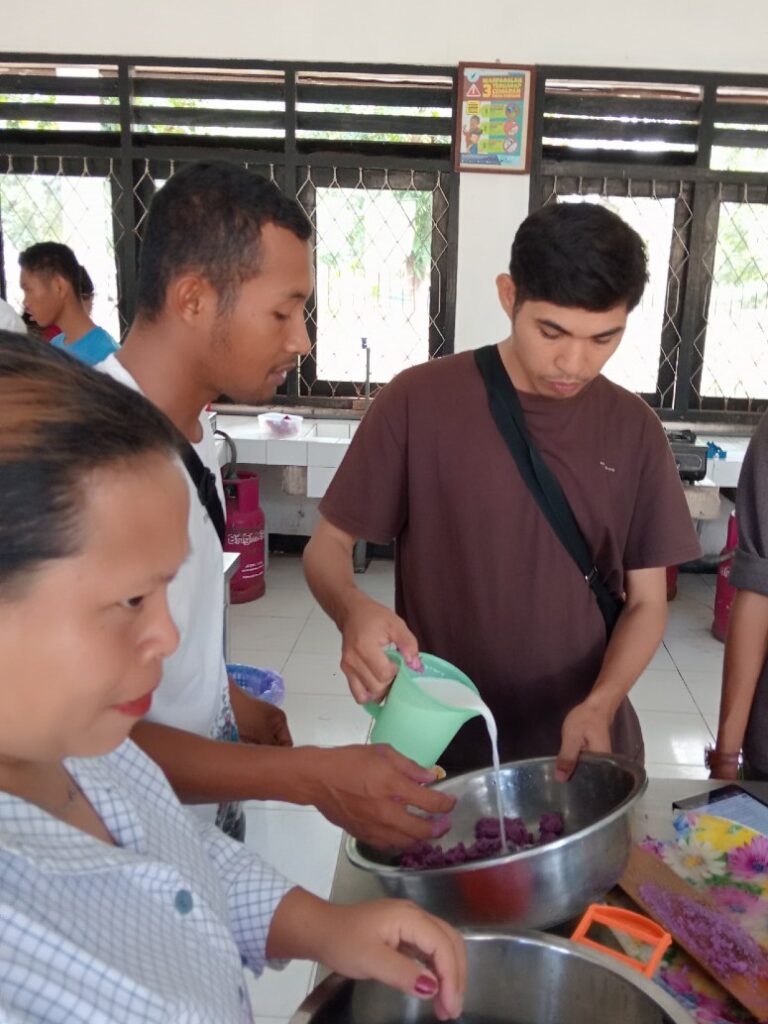
Through this campaign, Frits and his community aim to ensure that the right to information on food and nutrition is also accessible in an inclusive way to the Deaf community. They plan to organize workshops emphasizing that good nutrition doesn’t have to be expensive. Local foods are perfectly suitable if prepared correctly.
Transformation that moves marginalized groups to the center
Frits’s journey reflects the spirit of Urban Futures: progress rooted in community, innovation born from lived experience, and transformation that moves marginalized groups to the center of the conversation. Frits didn’t wait for change to come from above. Instead, he built from the ground up, starting with small spaces, hands-on work, and the courage to speak out.
In Labuan Bajo, which is emerging as a favorite tourist destination, Frits’s story reminds us that a city’s future is not just about infrastructure and investment. The future is also about who is included in everyday conversations. Frits not only advocates for the right to communication for his deaf friends but also empowers them to actively engage in issues of health, nutrition, and decision-making that have historically excluded people with disabilities.
Through sign language, Labuan Bajo’s Deaf community is no longer merely present but is seen, heard, and considered in building a more inclusive future for the city.