Growing up in La Paz, Mateo faced discrimination and a legal system that refused to recognize his identity. He was unable to change his name, gender marker, and photo on his official documents, making everyday life an ongoing battle. Looking for a chance of a freer life, he moved to Argentina, marking the beginning of his journey as a human rights defender.
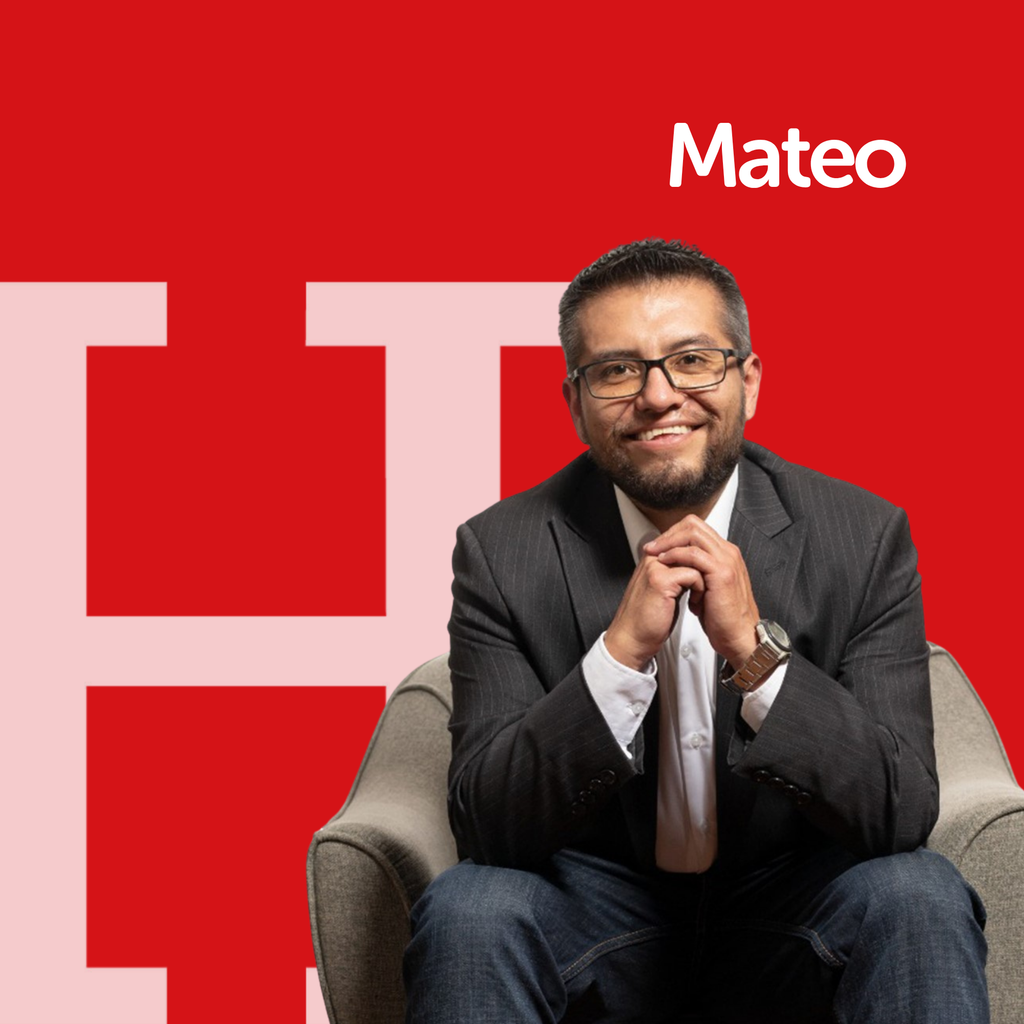
Meet the defenders
Meet the defenders is a series highlighting inspiring human rights activists supported by Hivos. This work needs your support. Your contribution helps protect lives and sustain the human rights movement.
As a 19-year-old transgender man, I fled to Argentina to escape bullying and discrimination.
For most people, showing an ID card is routine, but for transgender people it can be a source of fear and humiliation. “Sometimes I wasn’t allowed into places because people didn’t believe I was the person in the document. People thought I had stolen someone’s ID or assumed it was my sister’s. And all that over a small piece of cardboard.”
The role of luck in Bolivia’s legal system
During his time in Argentina, Mateo left power of attorney to his mother so she could continue his case in Bolivia. His father, a lawyer, initially struggled to accept Mateo’s transition. “At first, he believed I should find psychological help and change my mind rather than my body.”
This changed when his father visited him in Argentina, a year later. Seeing Mateo happy helped him understand the importance of helping him. He decided to take on Mateo’s legal case himself. After years of waiting, Mateo’s was called back to Bolivia to meet the judge before the final ruling. When the judge met Mateo in person, she immediately understood the reality of his situation. “After four years of hormone therapy, she saw how difficult my life would be if my documents continued to contradict who I am,” Mateo explains.
The judge also had a personal connection to the issue. Her own son had a medical condition that affected his hormone production and caused him to experience bullying, violence, and discrimination because of his appearance. “I was very lucky to have her as a judge, because ninety-nine percent of these yearlong cases were denied.”
After 5 years, Mateo was able to change his ID, finish his studies, and move back to Bolivia. “I always say I’m 16 years old now, because when my identity was recognized by my country, that’s when my life started.”
Fighting for a gender identity law
Mateo returned to Bolivia with a degree in psychology. To help others who face the same struggle, he decided to retrain into law.
“I realized that, in order to have a pretty normal life, the only thing I needed was a small change in my ID card, and I didn’t want anyone else to go through that horrible judicial process.”
And so Mateo became involved in the campaign for a gender identity law. Three years after he moved back, Bolivia finally adopted legislation, creating an administrative process that allows transgender people to change their name, gender marker, and photograph on official documents without going through years of litigation.
Next step: marriage equality
After this win, Mateo promised to continue until there is marriage equality in Bolivia. The fights for gender identity and marriage equality in Bolivian law are closely intertwined. “The gender identity law can only be applied if you are unwed, otherwise it would potentially make same-sex marriage possible, which is not explicitly recognized in our constitution.”
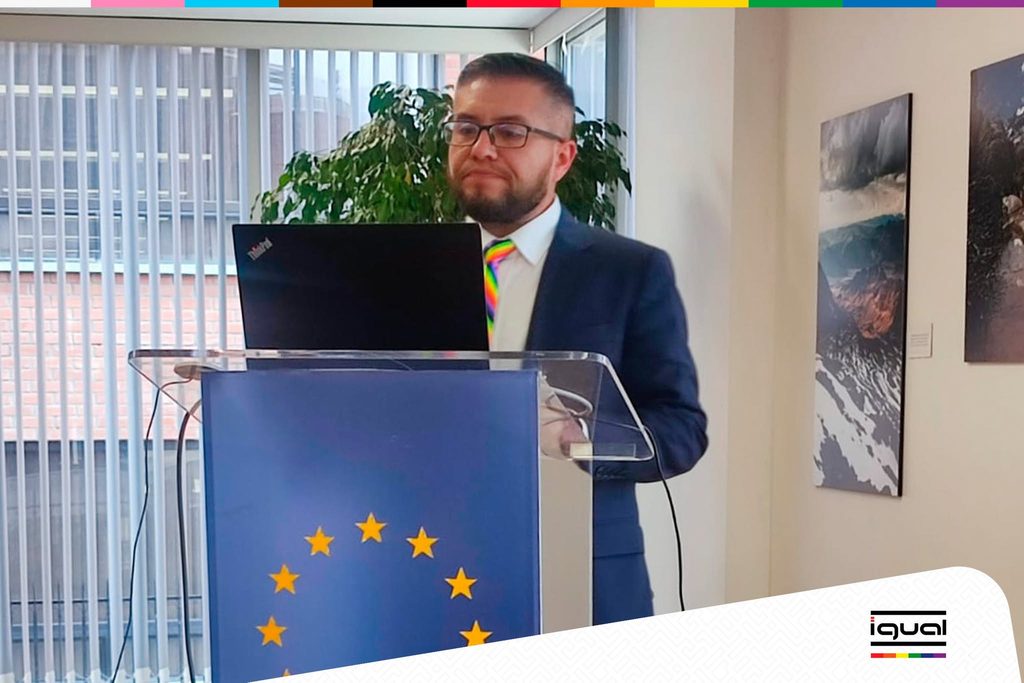
His organization IGUAL now takes free cases for people from the LGBTIQ+ community and advocates for new legislation. Through multiple legal ways they try to get equal marriage accepted.
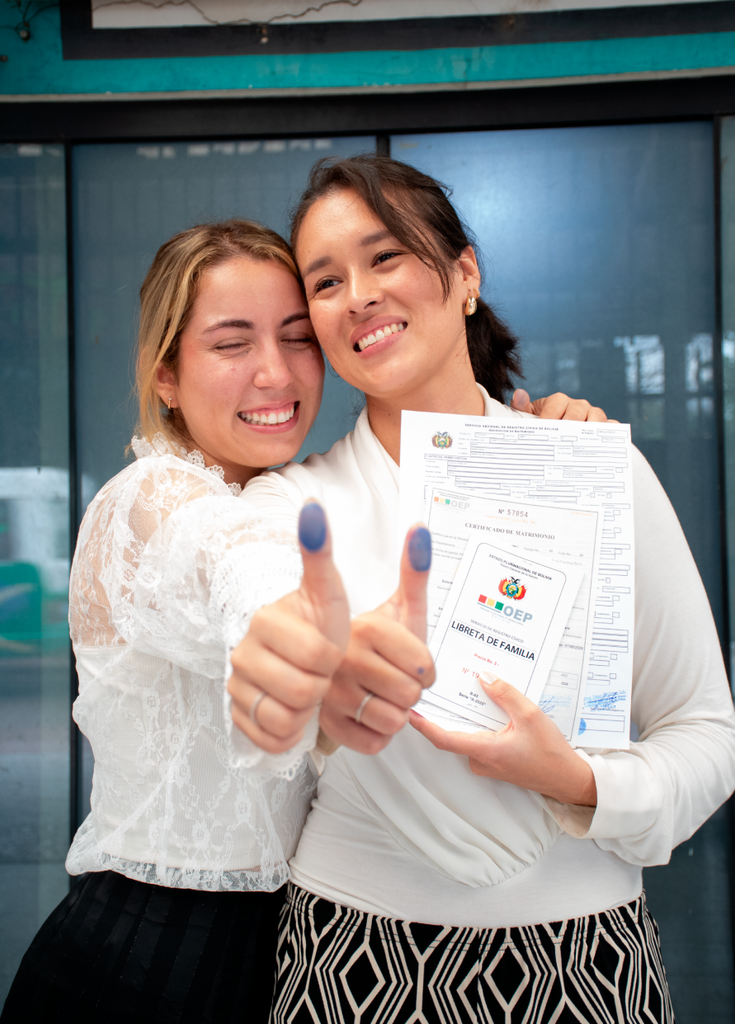
In 2026, after a four-year battle, they made the first same-sex marriage possible through litigation. But the work is not over; it can still be overturned by the highest court. “Our strategy now is to help as many couples as possible get married, so it becomes harder to revoke the rulings in the future.”
Changing the mindset
Hivos has worked closely with Mateo’s organization on both the accepted gender identity law and the – still unrealized – marriage equality law. “Hivos supported with organizing, lobby and advocacy, and resourcing around the gender identity law, but also with the proposals for the equal-marriage law.”
He thinks the current chances of passing a same-sex marriage law are slim. But he stays hopeful and determined for the future. “In the coming years we need to see changes in the educational system. Passing laws is not necessarily a way to change people’s mindsets, this is only possible through education on diversity.”