Region: East Africa
-

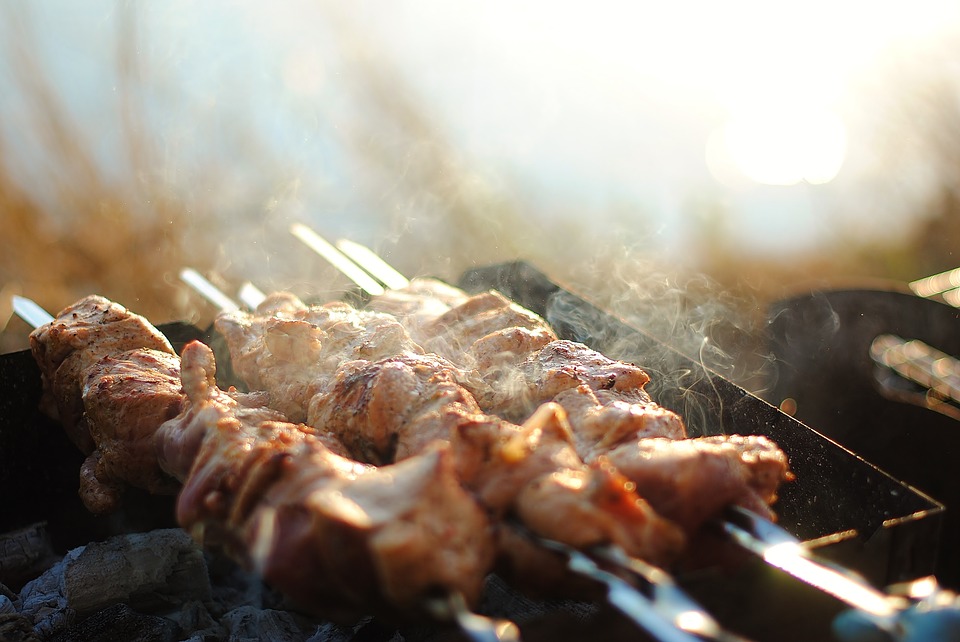
A New Year’s resolution: food choices for more than one reason in 2019.
A New Year is a great time to reflect, journal resolutions and hopefully plan for a new lifestyle. This usually checks in after an indulgent season of rest, making merry and re-connecting with friends and family. However as you reflect on a new season, do you think about your personal contribution to climate change? In…
-
Uganda still operates on a minimum wage that was set in 1984
What would you do if you had two U.S. dollars? Buy a cup of coffee or a few lollipops perhaps? In Uganda, the two dollars are supposed to be someone’s monthly salary, as the country still operates on a minimum wage of 6,000 Ugandan shilling (less than $2) that was set in 1984.
-

Media as a catalyst: promoting rural electrification and renewable energy development
By Basil Malaki and Caroline Wahome The media plays an effective role in promoting national development and shaping public opinion. The government and the private sector use the media to diffuse information to influence and persuade public opinion. One of the challenges that Hivos East Africa through our Green and Inclusive Energy programme has sought to address is that…
-
100 African thinkers and doers gather in Marrakesh
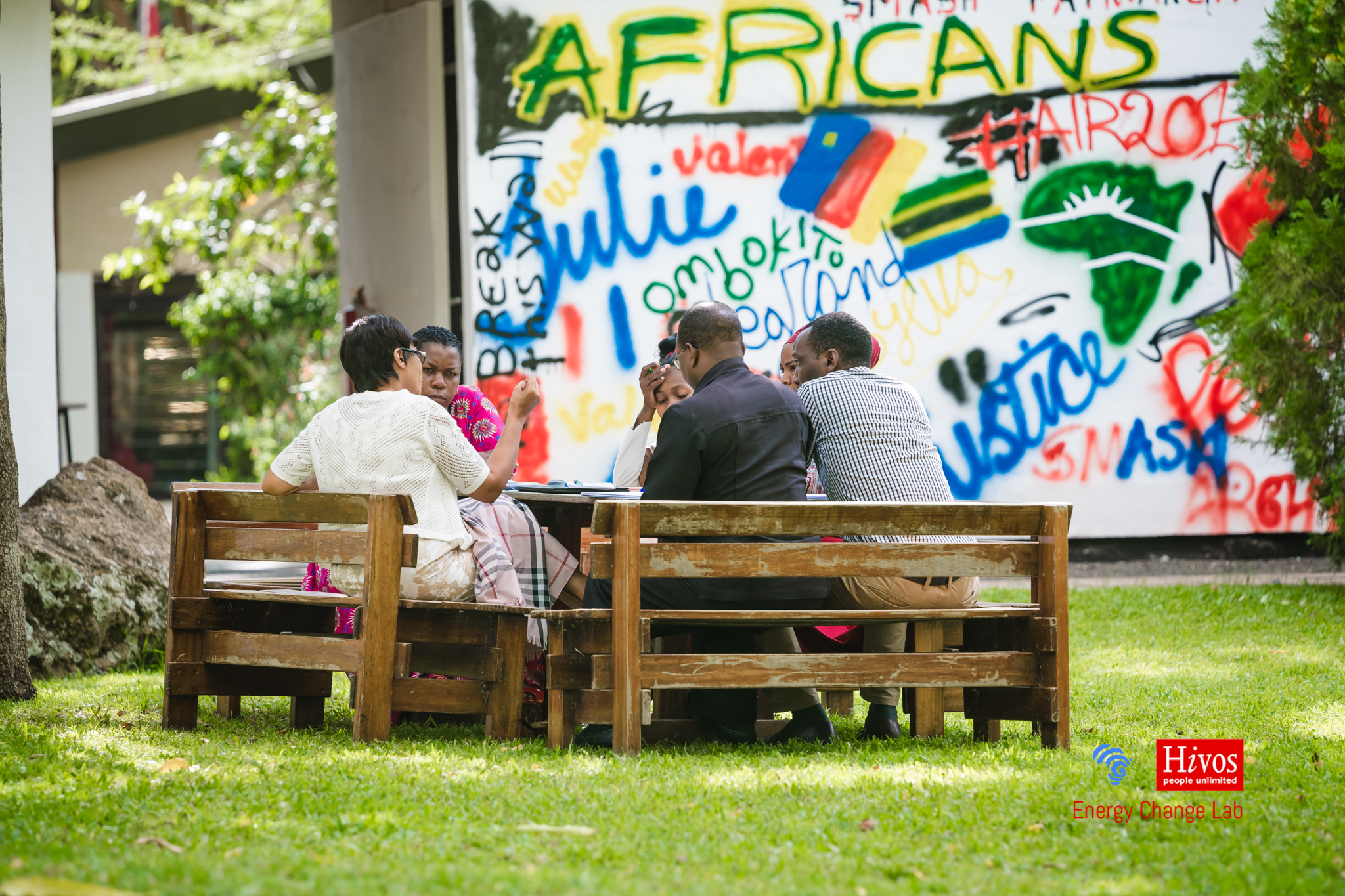
While the UN conference on migration takes place in Marrakesh, a group of 100 African entrepreneurs, artists and techies will gather just outside the city center to discuss the latest trends in technology and arts that are shaping the future of the African continent. From Cape Town to Cairo, cutting-edge developments in technology, art and…
-

Bio-slurry scales adoption in Uganda
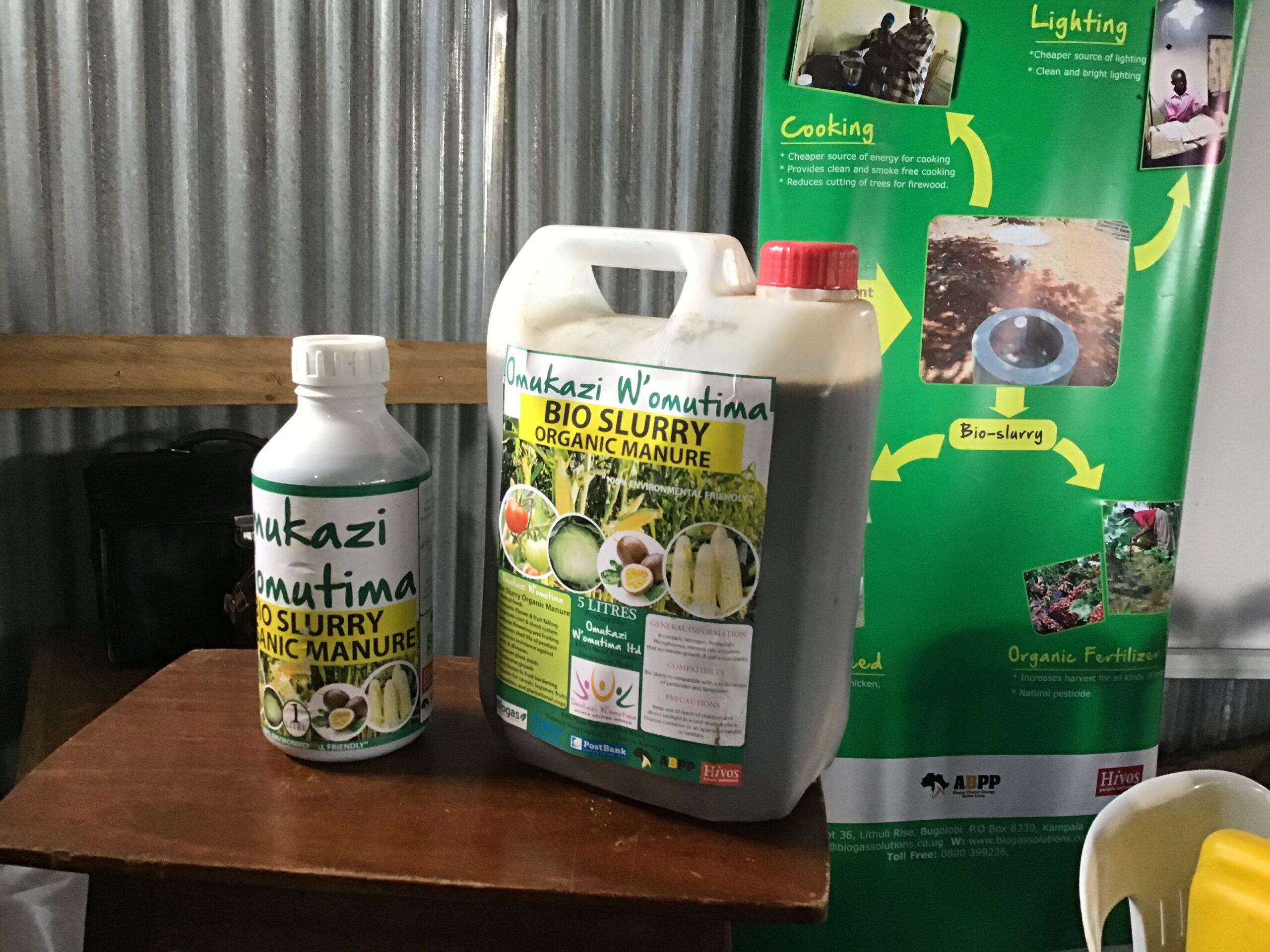
In the face of climate change, governments have been keen on building the resilience of their citizens to adapt to climate change. In Africa, this narrative is not too from the truth; the government of Uganda has set up the Operation Wealth Creation (OWC) initiative to enhance household participation in commercial agriculture. Through this initiative,…
-
Climate and development journalism
How reporting on climate and development can influence agendas At a time when deniers of climate change call it fake news, climate activists call for more rigorous action, and high-level policymakers battle over “who pays”, it is journalists who try to make sense of it all. Their difficult mission is instrumental in our understanding of…
-

Who owns food?
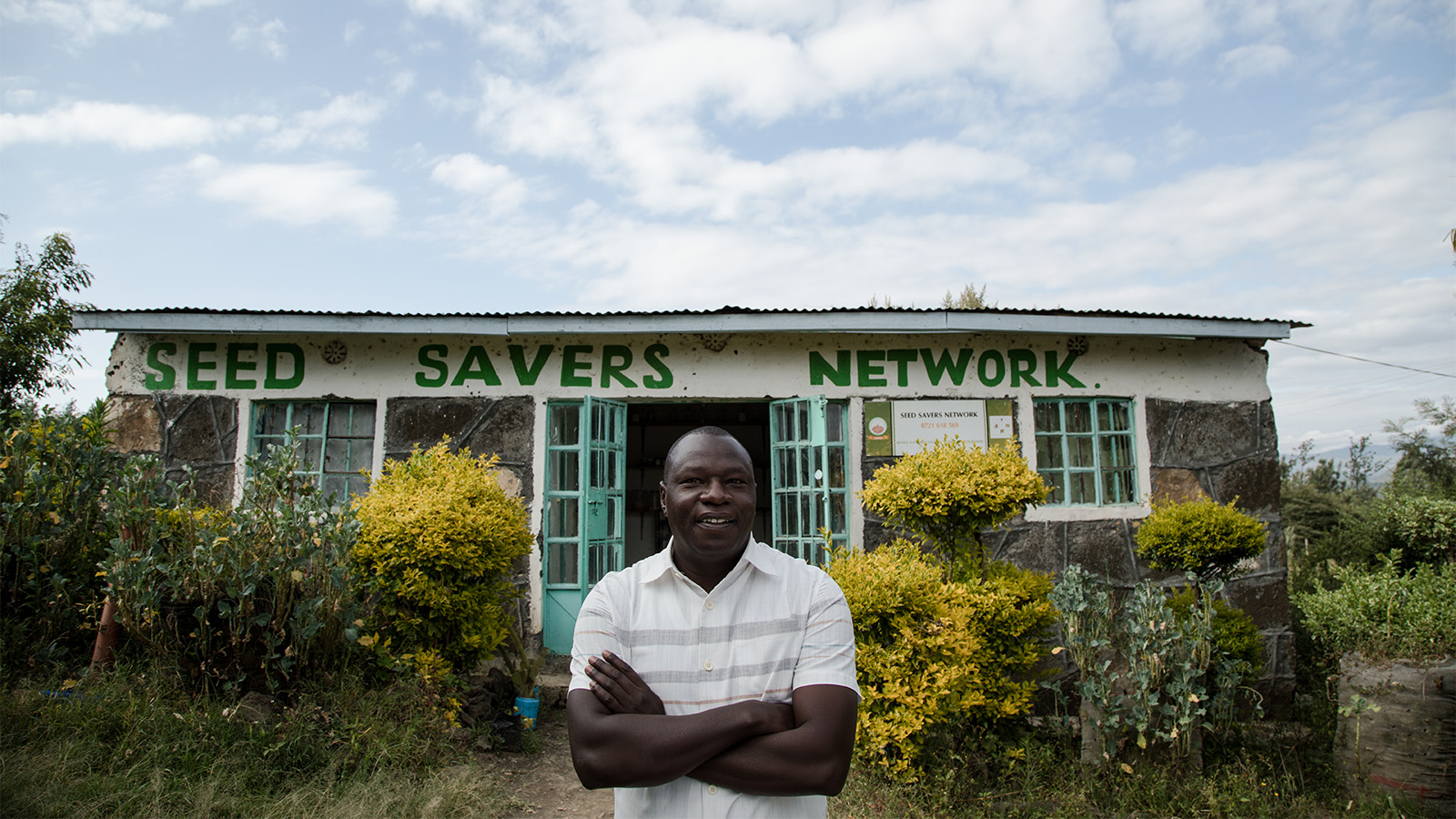
Conserving global biodiversity “Food is a symbol of self-determination. You cannot have dignity without feeding yourself.
-
Why we speak
Civil society is under threat worldwide. Organizations and activists, trade unions, independent media and human rights defenders. All those who stand up for freedom of expression, human rights, a safe and clean environment and a livable climate in the future are struggling to keep their heads above water. They are being thwarted by governments and…
-
Too much safety is not a thing!
“Cyber bullied on WhatsApp and Facebook.” “I have been blackmailed, beaten and forced to give out money after meeting a guy on a dating App.” “Being rejected in college because of my intersex condition.” “Our landlord forced us out of the house; he called on people to evict and remove our stuff from his house.”…
-
Hivos: Tanzania’s anti-LGBTI crackdown is an affront to human rights
On October 29 2018, the ongoing crackdown on LGBTI people in Tanzania hit a new low. This came with Regional Commissioner of Dar es Salaam Paul Makonde’s announcement he wanted to track down LGBTI persons through online surveillance. His intensified crackdown featured plans to form an interagency task force including the Tanzania Commissions Regulatory Authority,…
-
Safe spaces for free expression through Arts for LGBTI persons in Kenya
The Out Film Festival (OFF), first held at the Goethe Institute in Kenya, in 2011, was the first ever Lesbian Gay Bisexual Transgender Intersex and Queer (LGBTIQ+)-themed film festival with an aim of showcasing films, documentaries, features and plays revolving around LGBTQ+ persons in Africa. The festival featured visiting movie makers who led plenary discussions…
-

Data for good!
Open data is the new future The future is open! This was the main message at the 4th International Open Data Conference. On 27- 28 September 2018, 1,500 participants from the data community drawn from government, civil society, academia and private sector convened in Buenos Aires, Argentina to share experiences, learnings and collaborate on the…