Free access to digital information, unrestricted by technical or legal barriers, is essential for resilient democratic spaces. Open data can connect diverse voices and make them more responsive to regional realities. But how can we ensure data is available and is used to defend civic space, expose inequalities, and drive transformation? This question was at the heart of Abrelatam Condatos 2026.
Data and public information can help us analyze how public resources are invested in areas such as healthcare and education. It can also assess whether the needs of historically excluded populations are reflected into public policies. This makes data a powerful tool for identifying gaps and proposing evidence-based solutions. You can learn more about open data at the International Open Data Charter (in Spanish).
Abrelatam Condatos
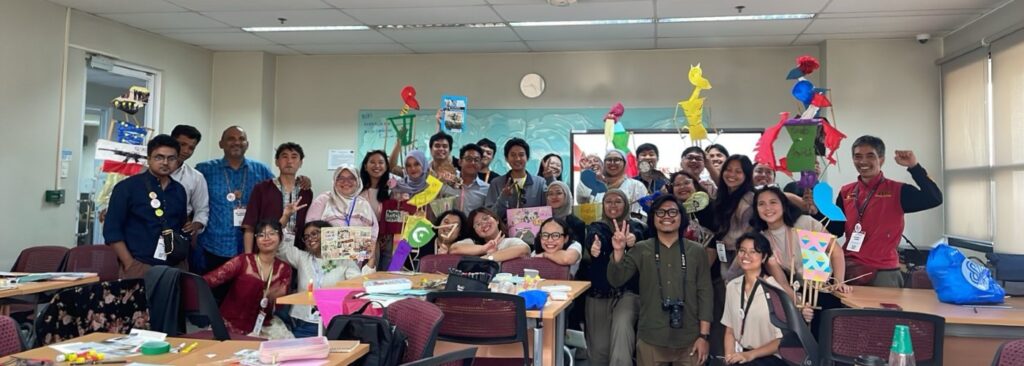
Over three days in Guatemala City, Abrelatam Condatos 2026 brought together around 700 participants from different sectors, organizations, and countries. They were united by the idea that open data, transparency, and citizen participation are fundamental tools for strengthening democratic spaces. The conference focused on Latin America and the Caribbean and was co-organized by Hivos.
While spaces for participation and dialogue continue to shrink, conferences like this serve as regional platforms for the exchange of ideas and experiences, making their very existence a political statement.
Connecting evidence and action
Within the conference, it was emphasized that simply publishing data is not enough. Data should have public value and connect with tangible actions for improvement. For example through enhancing public services or by supporting decision-makers in the development of regulations and policies that benefit citizens.
For civil society organizations, timely, accessible evidence generated through a contextualized and critical lens can strengthen advocacy strategies. It plays a crucial role in documenting (human)rights violations and holding decision-makers accountable.
Data to protect communities and defend territories
Hivos brought best practices from different programs to the conference. Through panels and conversations, they showed the importance of open data for local realities and territories. The Connect, Defend, Act! program monitors civic space in Colombia, exploring how information and evidence can support territorial defense efforts. In the defense of territories, data can help document conflicts, identify impacts, and strengthen community demands in response to decisions affecting livelihoods and rights.
Advancing LGBTIQ+ Rights in Central America battles everyday inequalities of LGBTIQ+ people in the region. The program examines how data can contribute to reducing gaps in injustice. Producing and using relevant information makes it possible to challenge statistical invisibility, expose inequalities, and generate evidence to advocate for inclusive public policies, always taking privacy, security, and exposure risks into account.
These examples show that public institutions and other actors shape the production and availability of data. They make decisions regarding what to measure, how to measure it, and whom to include. Such decisions have direct consequences for people and communities.
Keep the conversation going
Abrelatam Condatos continued to connect the agendas of open data, transparency, and civic space with concrete steps for advocacy. The conversations that took off this edition can continue beyond the conference through new collaborations, shared learning and stronger regional networks. Because these shape the conditions for information to become an effective tool to expose structural inequalities, amplify diverse voices, and strengthen civil society to participate in and influence public decision-making.