Now that the Voices for Just Climate Action program in Kenya has come to an end, we asked Program Manager Ndinda Maithya to share its achievements and her insights with us.
What inspired you to join Hivos’ Voices for Just Climate Action program?
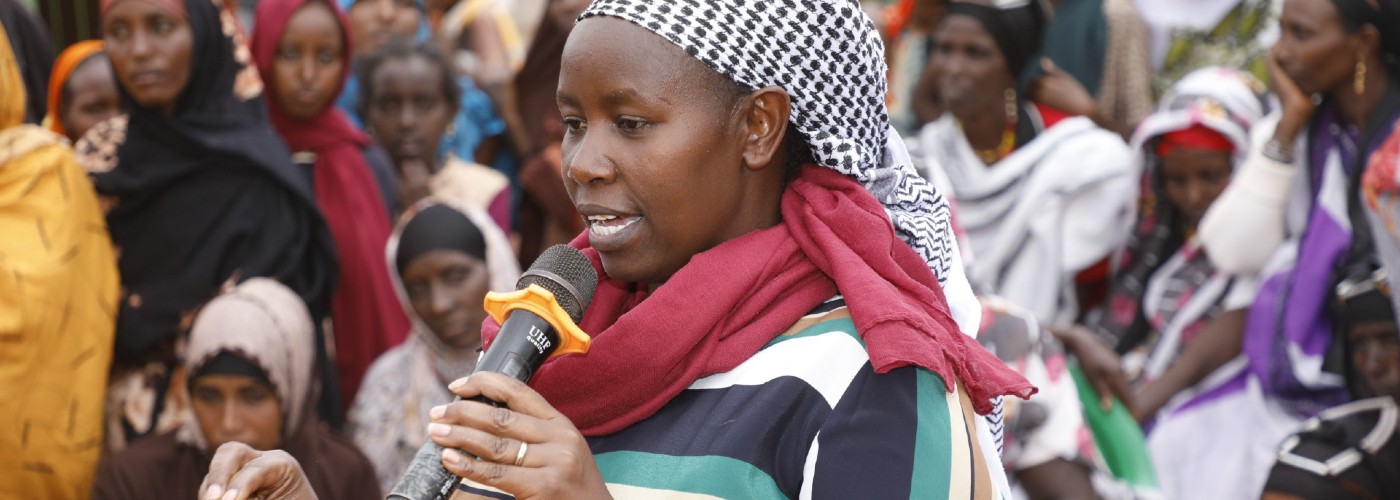
“I knew we had to shift the conversation from climate change to climate justice and make local communities’ voices heard because they’re the most impacted by climate change and yet left out of climate decisions. These communities should be at the center of climate decisions as equal participants. It’s crucial we link the local to the global to ensure climate resources reach grassroots communities, who need them the most.”
Why is climate action needed in Kenya?
“Kenya is experiencing many negative impacts of climate change, from prolonged droughts and floods to an increase in pests and diseases. This has led to famine, food insecurity, malnutrition, deaths, and even cases of gender-based violence related to acute water shortages. So local communities and governments have been forced to divert household and development resources to respond to these crises, slowing down overall development in the country.”
“Women, children, people with disabilities, and the elderly are the most affected. Women carry the greatest burden. On top of their unpaid care work, they have to deal with unexpected needs brought by climate change. This makes climate action crucial not only to build resilience but also to ease the burden of care placed on women. And any effective actions must respond to the needs and priorities of communities. This is only possible when governments plan with the people, for the people.”
“VCA showed that by making climate planning inclusive and people centered, local climate actions led by communities could be scaled up, thus gaining wider adoption and support. The program proved that communities are not merely victims of climate change, but active participants and agents of change with clear voices and solutions suited to their local realities.”
Can you tell us about the initial plan for VCA in Kenya?
“The initial goal was to ensure that local voices, especially those of women, youth, Indigenous peoples, and marginalized communities are heard and can meaningfully influence climate policies and action at all levels. They’re the ones most affected by climate decision-making, so their exclusion created an urgent need for change. We wanted them to be able to share their lived experiences, take the lead in policy formulation, and access climate finance.”
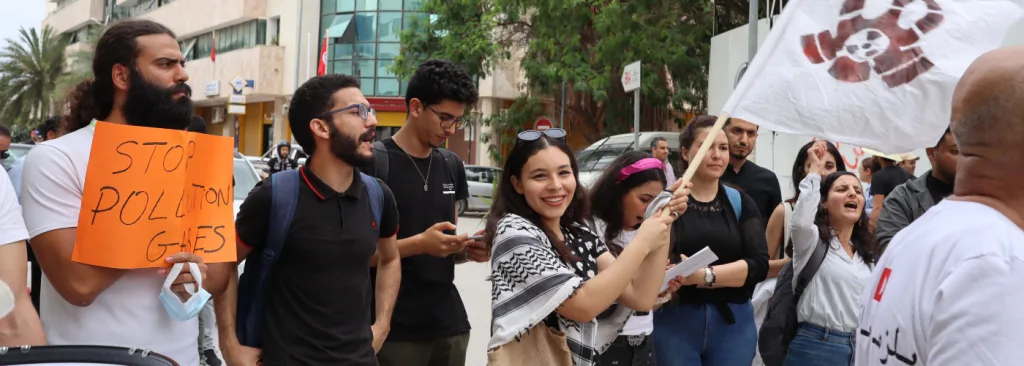
“VCA came at a time when civic space was shrinking, environmental defenders faced threats, and the climate justice movement needed renewed momentum. Working alongside local actors, artivists, and key stakeholders, we connected local climate conversations to global platforms. We shifted the narrative from climate change to climate justice, calling for inclusion, equity, and accountability. We also showed that local communities aren’t passive recipients of aid, but co-creators of solutions. With the right support, their innovations and voices can be amplified, showcased, and scaled to drive lasting change.”
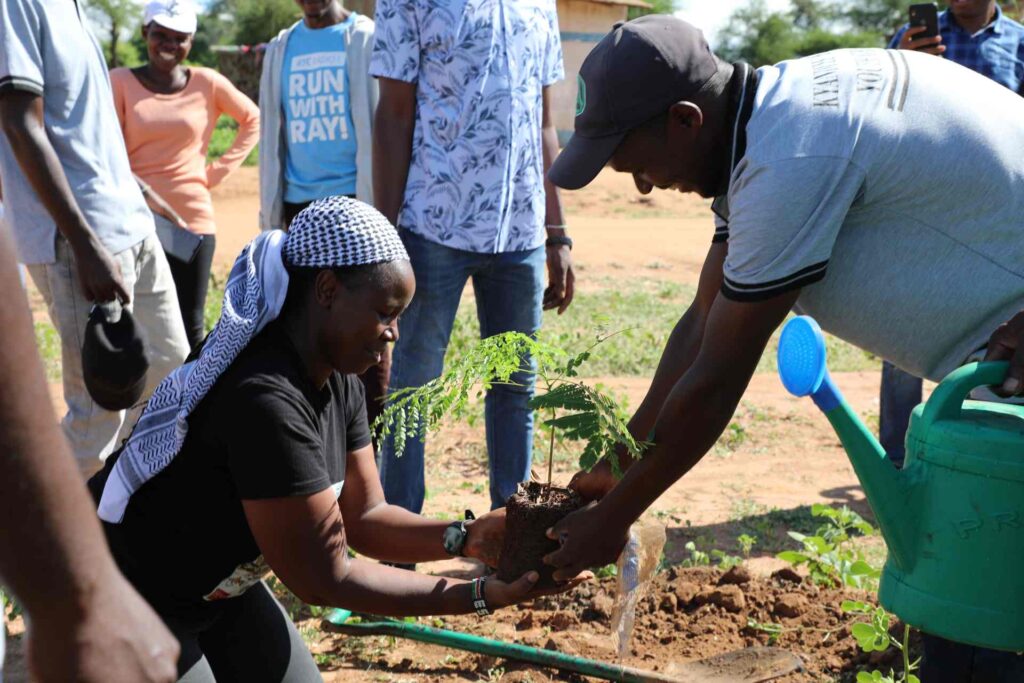 Photo: Cynthia Omondi
How do you look back on the program now that it has ended?
“I am truly proud of its achievements, both for its strong advocacy component and for the Next Level Grant Facility (NLGF) mechanism for climate finance. That’s what made sure our climate resources reached those who needed them most. Next to being Kenya’s consortium lead, I managed ten local partners across the country and saw firsthand how they pushed people-centered policies, promoted inclusive climate finance structures, and raised climate awareness through storytelling and artivism.”
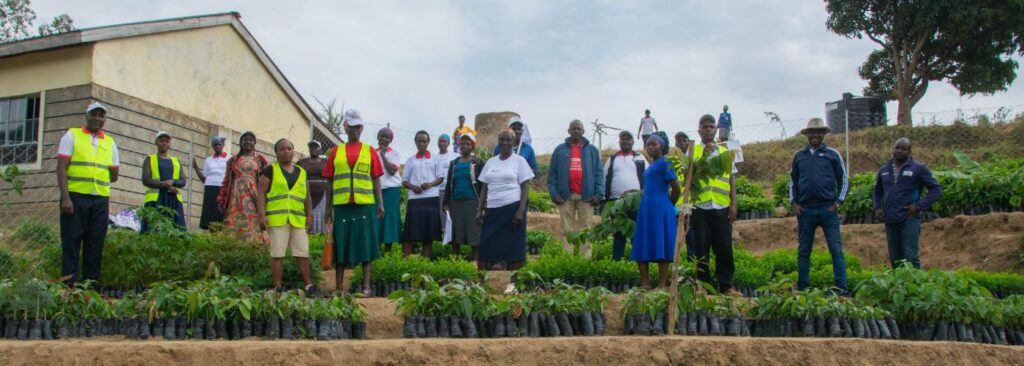
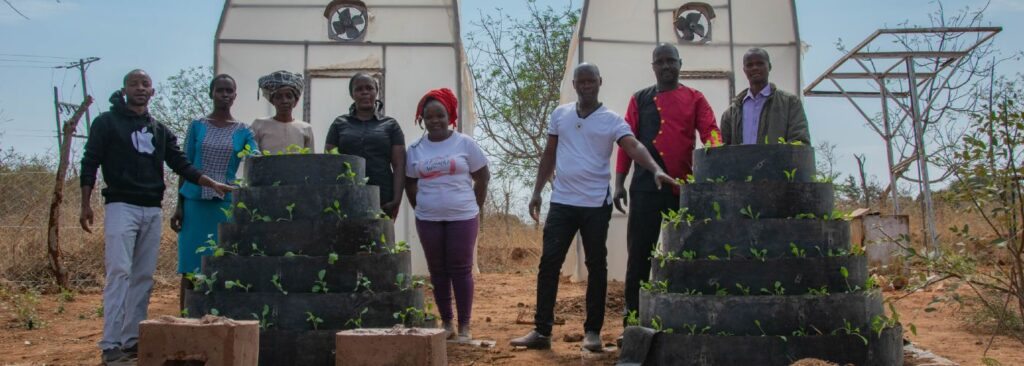
“Reflecting on the NLGF, I take pride in helping get climate finance to hard-to-reach communities, empowering them to scale up their climate solutions – like setting up tree nurseries, promoting cleaner cookstoves, stopping gully erosion, and establishing water points. These climate solutions implemented by our local NLGF partners led to tangible social benefits: reduced gender-based violence, improved school retention for children, reduced time poverty for women, and more jobs. VCA Kenya disbursed 618,000 USD to 230 groups.”
“After a five-year run, I’m proud to say the program’s impact will continue to live on well beyond its lifetime.”
What problems did you face?
“The VCA program was implemented by a consortium of six diverse organizations with different beliefs, work cultures, and policies: WWF, Hivos, SSN, AMWA, SDI, and Fundación Avina. Initially, aligning with one another posed some challenges. However, I soon realized that I could tap into the consortium’s rich knowledge and expertise across different thematic areas, and that’s when we truly began to learn from and complement each other.”
“Visiting the countryside and experiencing firsthand the harsh realities of climate change was deeply devastating for me. With limited resources and time, I came to understand that I can only do so much, but I believe every effort counts.”
Lastly, what are you most proud of?
“I’m happy the implementation went beyond a donor–partner relationship. We became a true family, a climate justice movement. In Kenya, VCA established triumph, power and resilience. I’m especially proud of the women, youth, and the elderly who keep the earth alive through their small but powerful climate actions. I’m grateful to have met them, learned from them, and walked this journey of growth and impact together.”
“I’m also proud of the fact that we didn’t stop at the policy level, but with our partners developed accountability tools like Mulika and score cards to track climate finance flows at county level.”
“Though the program has concluded, the societal challenges, climate impacts, and resource needs persist. Let us carry forward the same commitment and spirit as we continue to make a difference in our societies.”