Amid the global shift away from civil society as an international norm, punctuated by the closure of USAID in early 2025, EU SEE members predicted an impending perfect storm of conditions that would seriously threaten the infrastructure of global civil society. Now, one year later, we have the EU SEE data to prove it.
The EU System for an Enabling Environment for Civil Society (EU SEE) is a consortium of civil society organizations and network members in 86 countries. The partnership issues real-time alerts on changes and critical trends in the enabling environment for civil society. This provides civic actors and stakeholders with actionable insights to tackle challenges.
What one year of data reveals
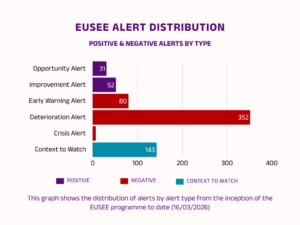
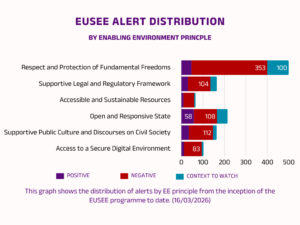
After one year of operations, the EU SEE, led by Hivos, produced over 600 alerts and more than 100 pieces of research. Data from the EU SEE is regularly used by European Union Delegations, UN Special Rapporteurs, UNCAC, ACHPR and the UNHRC. It supports the OECD Development Assistance Committee’s work and forms part of the UN’s Universal Periodic Review processes. The results point to a bleak landscape:
- More than 50% of the alerts gathered by the EU SEE describe a deterioration in the enabling environment for civil society occurring worldwide.
- Approximately 90% of activities that oppress and restrict civil society are perpetrated by governments themselves, with violent non-state actors coming in a distant second.
- Oppressors target civil society actors the most, followed by civil and political rights actors. Next are journalists, and media influencers.
- Incarceration and legal repression are among one of the most common tools used by oppressors. Physical violence, legislative changes, and administrative forms of repression (i.e. license revocations and entry denials,) are growing in frequency.
- 164 alerts relate to negative developments in the public discourse surrounding civil society. Oppressors are accelerating their attempts to influence public perception of civil society organizations by branding them as foreign agents, traitors, insurgents, and terrorists.
Supporting movements globally
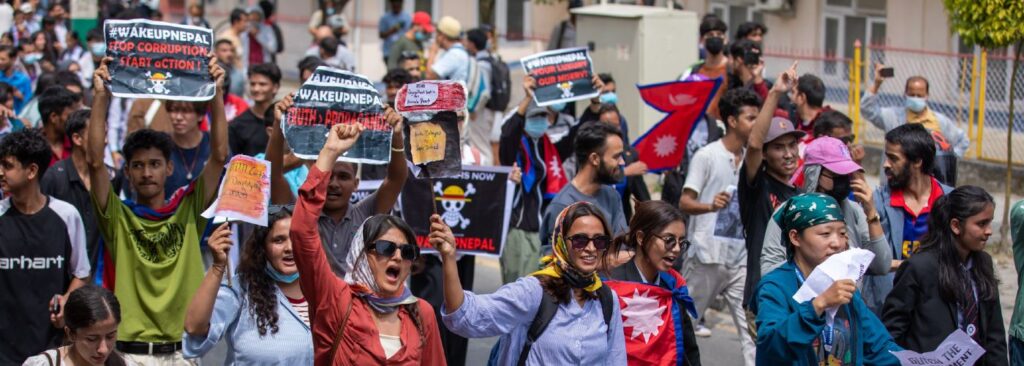
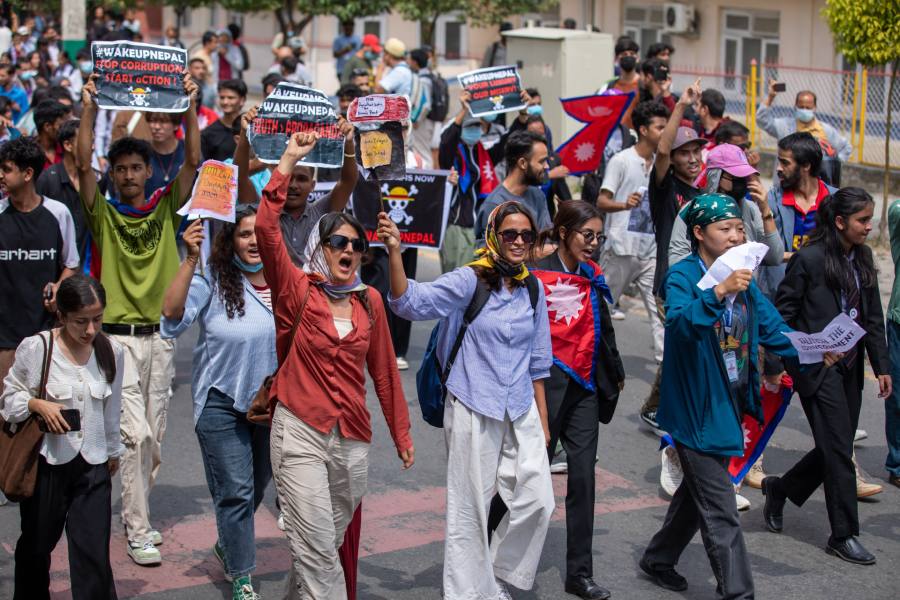
Although techniques used to oppress citizens and curtail freedoms are advancing, there have never been so many political revolutions led by citizens, often associated with the Gen Z movement, that have toppled governments outright, as was seen in Nepal (2025) and Bangladesh (2024).
A healthy civil society is the key to restoring the balance between people and power. Civil society groups can respond quickly and effectively to deteriorations and make the most of potential opportunities with the right information at the right time. This is how EU SEE was able to alert international institutions ahead of time about the Gen-Z political revolutions in Madagascar and Nepal.
Leading the fight back in Indonesia: a case study on using EU SEE data
In Indonesia, the EU SEE identified two specific risks through our local network partner, a large member-based civil society organization. These alerts covered proposed revisions to the Indonesian National Armed Forces Law that could increase military influence over civilian affairs, and public statements by President Prabowo Subianto that could erode trust in CSOs.
“The EU SEE methodology enabled us to track policy developments that could undermine CSO operations systematically.” – Indonesia Network Member
The alerts were timely and grounded in robust evidence. This allowed our partner on the ground to inform its members and the public about potential threats to democratic governance and civic freedoms.

To amplify the impact of these EU SEE alerts, our partner launched targeted Instagram campaigns that proved highly effective in reaching diverse audiences. The campaign highlighted the dangers of legislative changes that could restrict CSO activities and democratic oversight. It engaged urban youth and civil society advocates. At the same time, the campaign debunked the President’s statements portraying CSOs as untrustworthy – a narrative that could legitimize restrictive measures like the Mass Organizations Law.
EU SEE data around the world
Beyond Indonesia, EU SEE data is driving impact. Through partnership with our network members, we’ve secured an Independent Investigative Mechanism for Afghanistan at the UN Human Rights Council. In the Democratic Republic of Congo, engagement with the Minister of Human Rights, grounded in monitoring findings, contributed to the acquittal of a human rights defender previously sentenced for anti-corruption activism. In Algeria, early warning alerts escalated into coordinated action, including regional advocacy at the African Commission NGO Forum, the adoption of recommendations, and the establishment of a lawyers’ collective pursuing legal accountability domestically.
“EU-SEE has strengthened AMAN’s ability to respond to emerging threats to the enabling environment and to continue promoting integrity, transparency, and accountability despite extremely challenging circumstances.”- Palestine Network Member
The challenges facing civil society are monumental, but the path forward is clear. Civil society is a pillar of democracy, a driver of development, and a voice for the marginalized. Forewarned by our alerts and armed with our growing evidence base, civil society actors across 86 countries are better prepared to defend human rights and democratic values, push for systemic change, and seize opportunities for positive transformation.