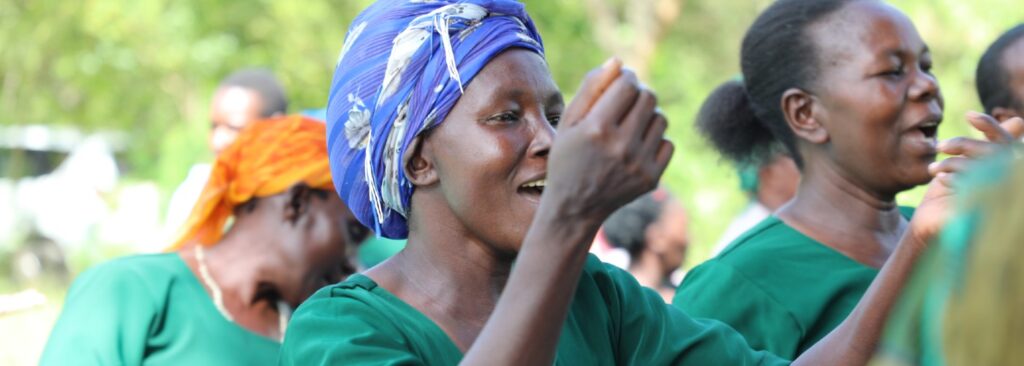

In the village of Kathonzweni in southern Kenya, twenty people have formed a group to tackle the challenges of the changing climate. Known as the Kiuawani Wisdom Community, they pool resources through savings and small loans, supporting one another during social events and emergencies, while generating income and fostering self-reliance. Their focus? Dealing with climate change at the household level.
From youth initiative to climate action
“The Kiuawani Wisdom community started as a youth group ten years ago,” explains Kennedy, the group’s chairperson. They began with table banking – a common practice where communities save money together and lend it to members at a small interest rate. “After gathering enough savings, we decided to invest in community needs.” The group now keeps bees, farms, grows vegetables, fruit, and trees, and works on environmental conservation.
“In this area we face food shortages,” says Kennedy. “We started planting fruit trees to address this but soon realized water scarcity was a major problem.” To conserve water, the group introduced vertical kitchen gardens, which retain water for longer periods. They bought seeds and built the gardens with help from the Next Level Grant Facility – a mechanism under the Voices for Just Climate Action program – and using funds from their table bank. Now they save time and money by just walking into their garden for fresh produce instead of going to buy it at the market.
Reducing the burden on the environment
People in the area are used to cutting down trees for firewood. “We asked ourselves: How can we reduce the amount of wood fuel used by households?” Kennedy says. They decided to try out energy-efficient cookstoves that retain heat and require only one piece of wood per cooking session. “Traditional cookstoves have three stones, and most heat escapes because of airflow,” he explains. The new design saves energy and protects local forests.
To pay for the stoves in a way that also benefits the surrounding environment, the group turned to beekeeping. Bees depend on trees for nectar, so encouraging beekeeping motivated the community to protect the trees. “Next to the protection of trees, it also generates income, because we can harvest and sell the honey,” Kennedy says.
Climate finance at the local level
The Next Level Grant Facility (NLGF) helped the group access climate finance without bureaucracy or language barriers because it’s designed to deliver climate finance to community-led initiatives at the most local level.
In total, the NLGF helped them set up 30 bee hives, create a tree nursery, install over 40 vertical kitchen gardens, and build 40 energy-efficient cookstoves in local homes.
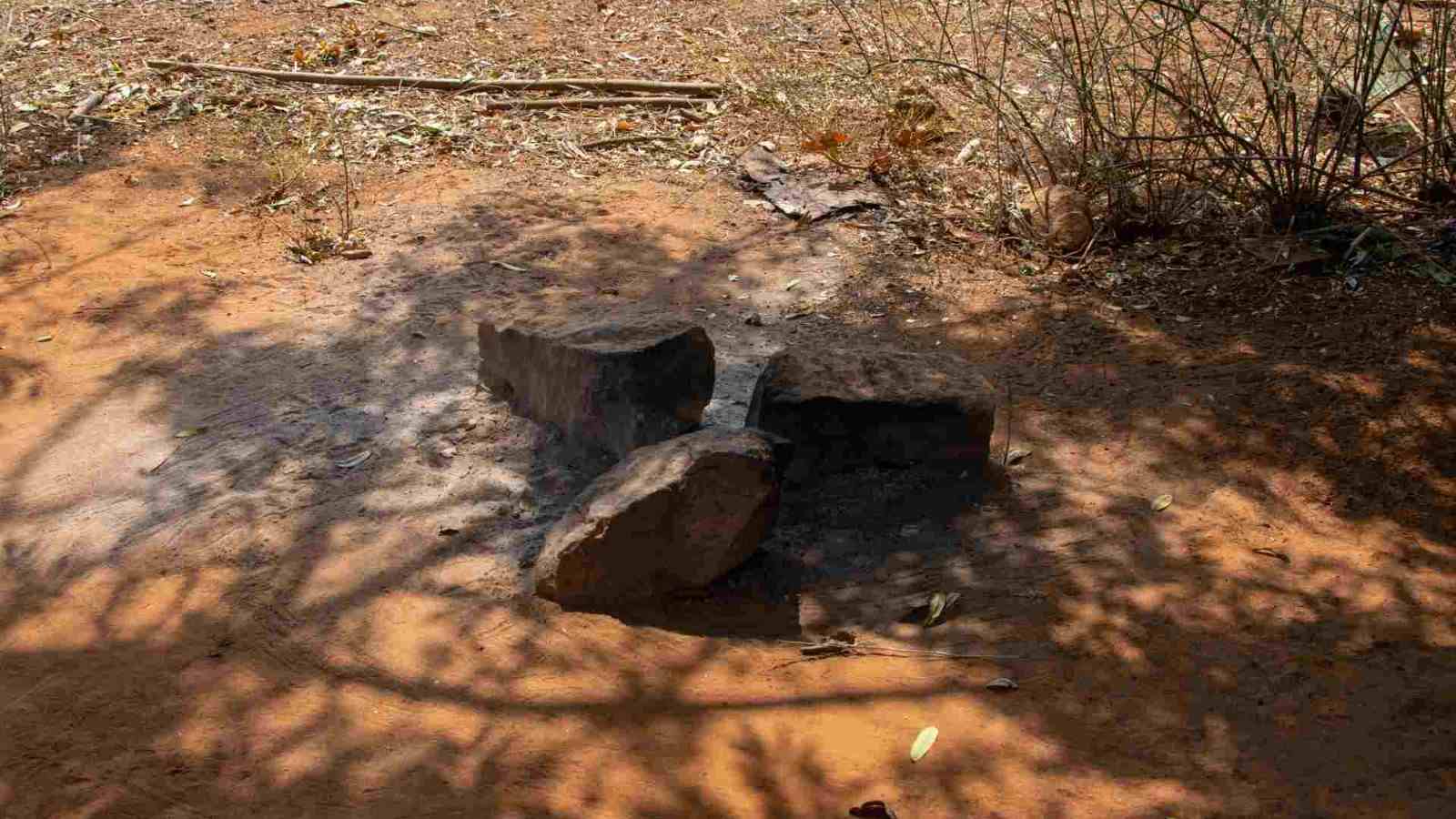

Traditional three-stone cookstove (left), new efficient cookstoves (right)
Building sustainable ownership
Most of their projects are for household activities, improving the villagers’ income, food security, and health and nutrition while conserving the environment and bolstering local climate resilience. But lasting impact is key: “We try to reduce dependency,” Kennedy explains. “For example, the vertical gardens are not installed for free. If households cover material costs, they will take ownership and care, since they’ve invested.” Together, the members of the Kiuawani Wisdom Community have shown how local solutions, combining collaboration and innovation, can transform lives and landscapes in the face of climate change.