Region: East Africa
-

Reflecting on the R.O.O.M. program (2017–2024)
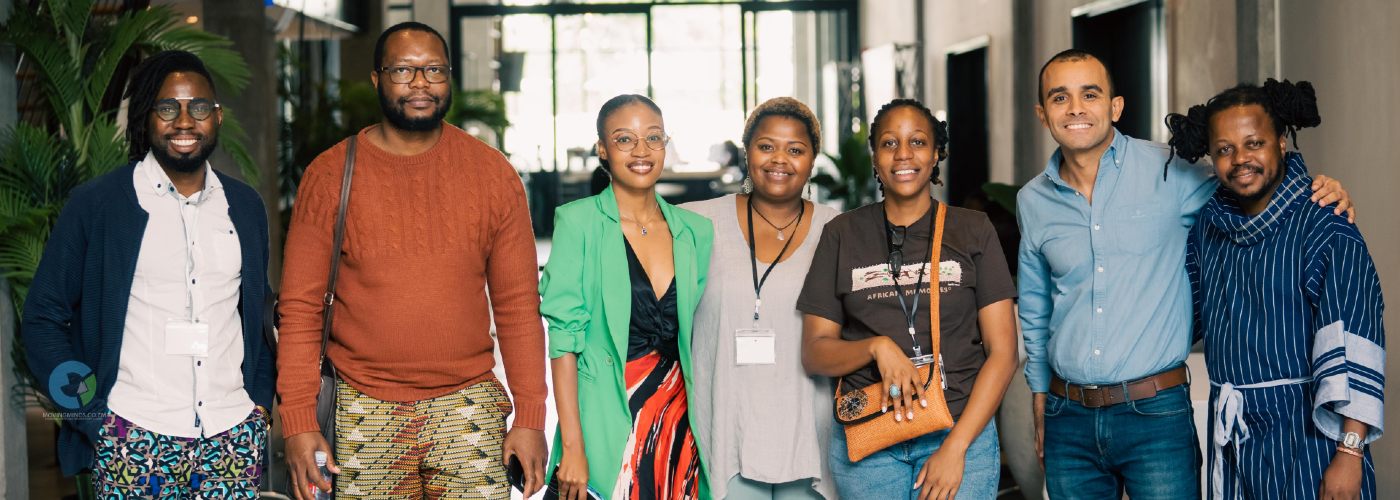
The Resources of Open Minds (R.O.O.M.) program, which Hivos started in 2017, is a great example of how creativity can challenge the status quo. Ending this year, R.O.O.M. empowered creators across Africa and the Middle East to amplify diverse, alternative ethical and social narratives in societies where public space continues to shrink. As we close…
-
We Lead summit shines a light on femicide crisis
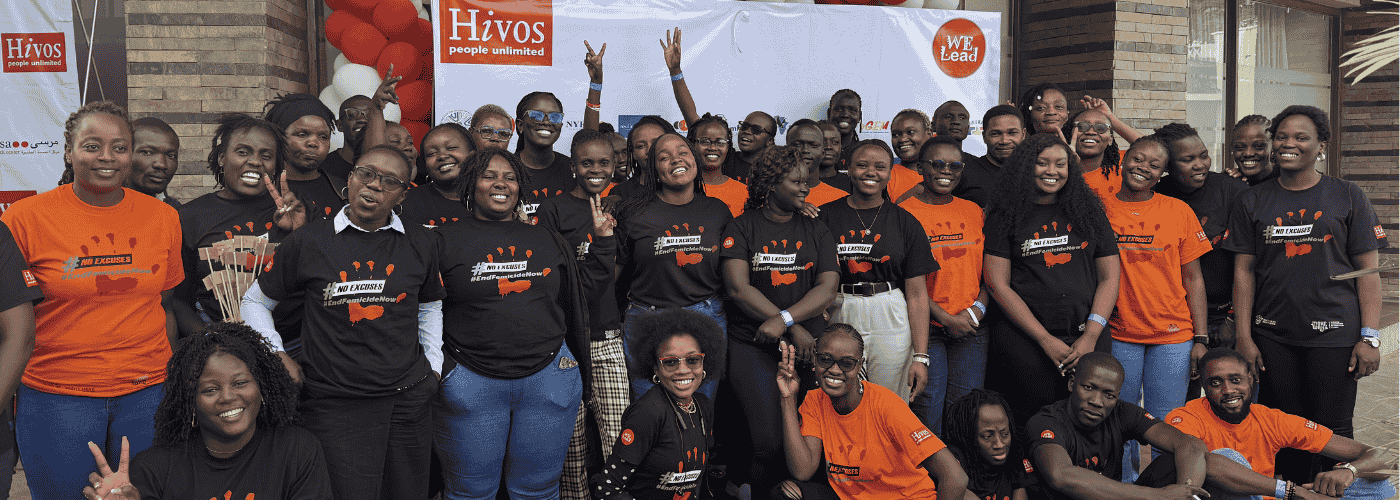
Gender-Based Violence (GBV) remains one of the most widespread human rights abuses globally. Shockingly, it is estimated that 1 in 3 women worldwide will endure physical or sexual violence at some point in their lives. The safety of women, especially young girls, is threatened across the globe. To support the global call to end violence…
-
Solar Sister: driving change through innovation and growth
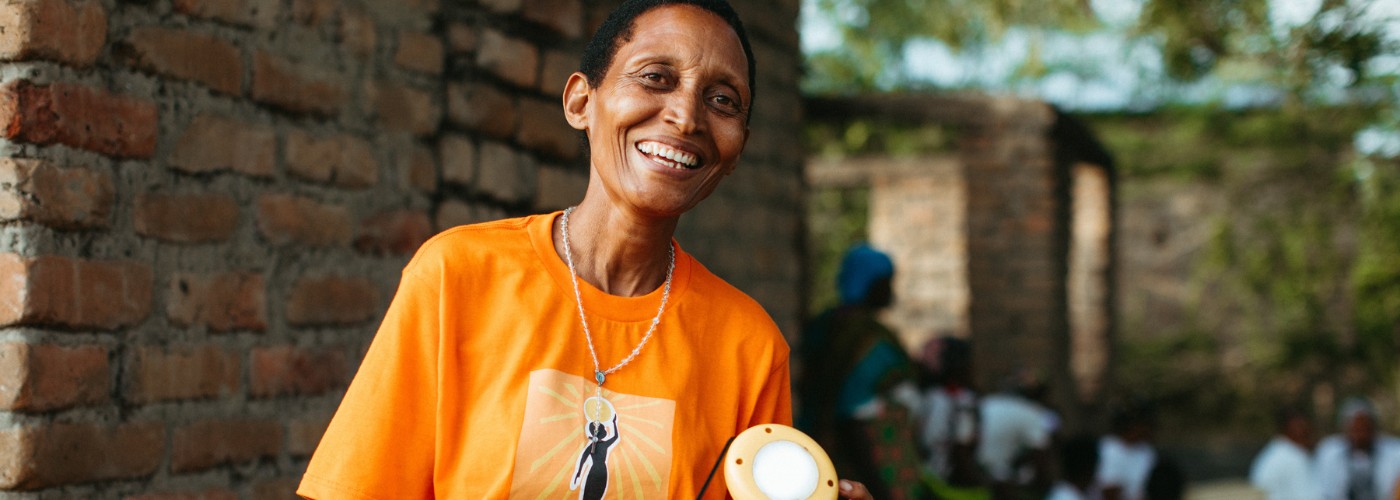
ENERGIA has partnered with Solar Sister since 2022 to work on universal, equal and equitable access to and control over sustainable energy for all. During the partnership, Solar Sister has created and scaled up Sisterhoods in Nigeria, Tanzania and Kenya. The Sisterhood entrepreneurs deliver clean energy directly to homes in rural African communities. Two years…
-
Empowering women in tech while confronting online gender-based violence in Nigeria
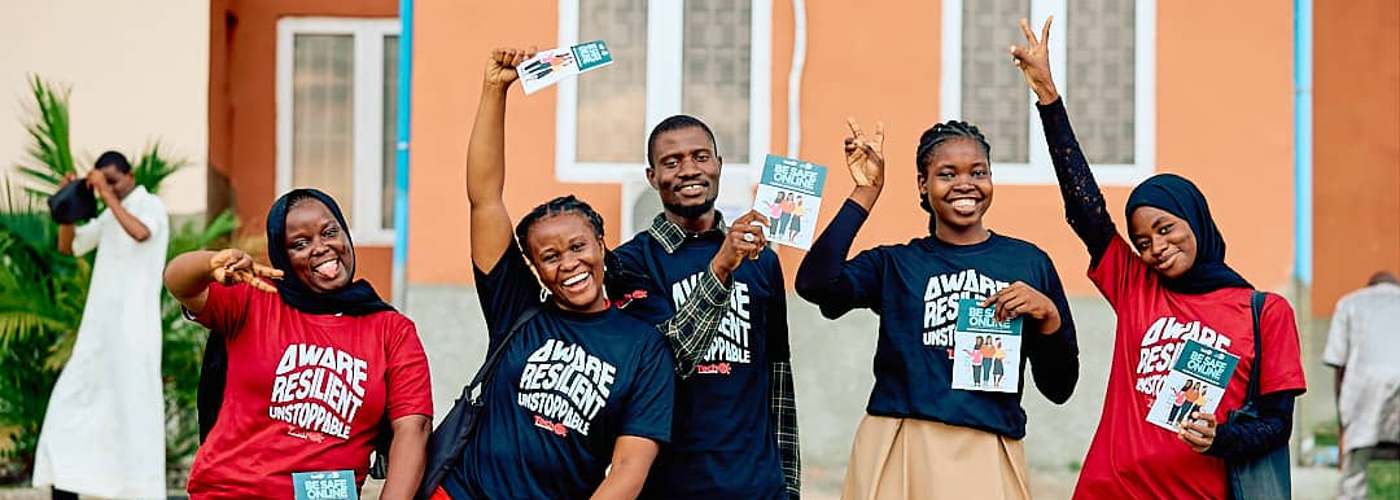
The internet promised connection, empowerment, and opportunity. But for millions of women, it has also become a minefield where harassment, threats, and abuse lurk behind every screen. In Nigeria, where one of Africa’s largest youth populations is increasingly online, a darker side of the digital world is taking hold: online gender-based violence (OGBV). Chioma Agwuegbo,…
-
Fostering growth through learning and action within We Lead
By Mary Kuira, Capacity Strengthening Linking and Learning Officer, We Lead Program “Everyone has something to share, and everyone has something to learn; true learning happens when we apply and adapt that learning in our own context.” This memorable statement by Meble Birengo, from our learning partner The Constellation, has continuously fuelled my passion for…
-

Empowering Nigerian women with disabilities to claim their sexual and reproductive rights
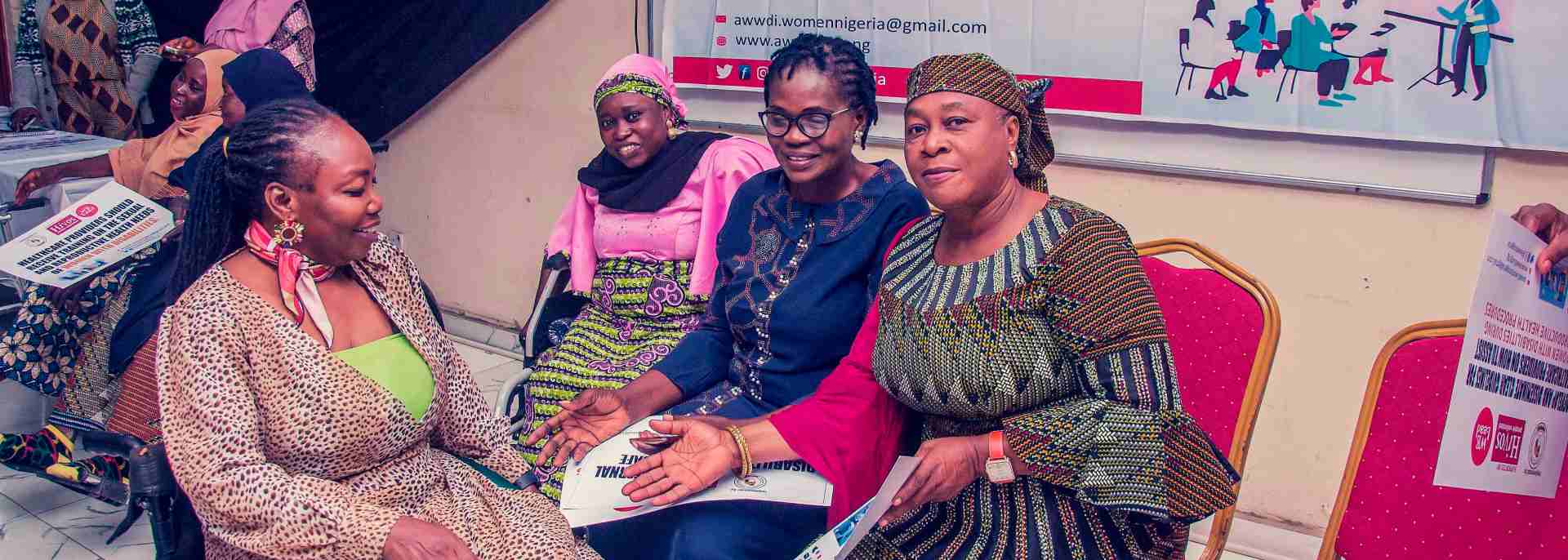
The sexual and reproductive health and rights (SRHR) of women and girls with disabilities are crucial yet often overlooked. Around the world, young women and girls with disabilities have great difficulty accessing essential services and education that contribute to healthy lives and minimize risks of gender-based violence. Nigerian women and girls with disabilities face major…
-
We’re standing with girls in camps for internally displaced persons in Nigeria
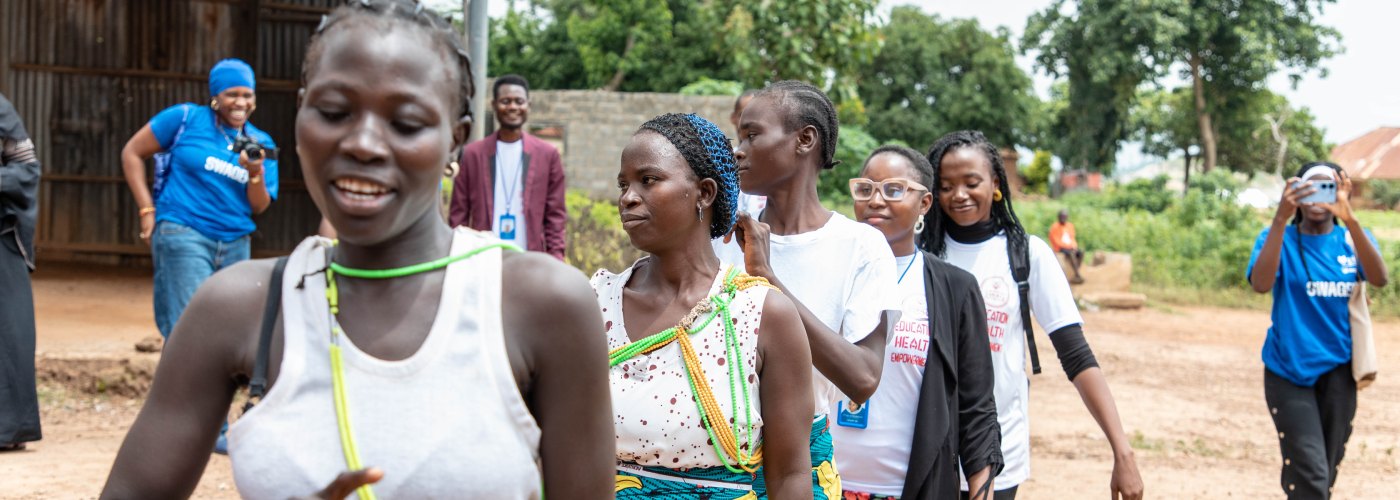
Stand With A Girl Initiative, a youth-led community organization under our We Lead program, educates camp leaders, religious and traditional leaders, household heads, and young men about the sexual and reproductive health needs and rights of women and girls.
-
The missing piece of the clean energy transition
2.4 billion people worldwide lack access to electricity and clean cooking fuels, this is “energy poverty.” Hivos’ Sheila Oparaocha gave a TED Talk about addressing energy poverty and the health impacts and how we can change our approach to energy and the energy transition. Sheila, Director of ENERGIA, wants to challenge how we think about…
-
Let’s make halla against domestic violence in Nigeria
Gender-based violence is a persistent problem in Nigeria; two in three women experience violence from an intimate partner. Yet, this kind of violence is seen as a private matter, not for outside intervention. So while most Nigerians feel uncomfortable about it, they don’t break with the culture of silence. And this just ends up perpetuating…
-
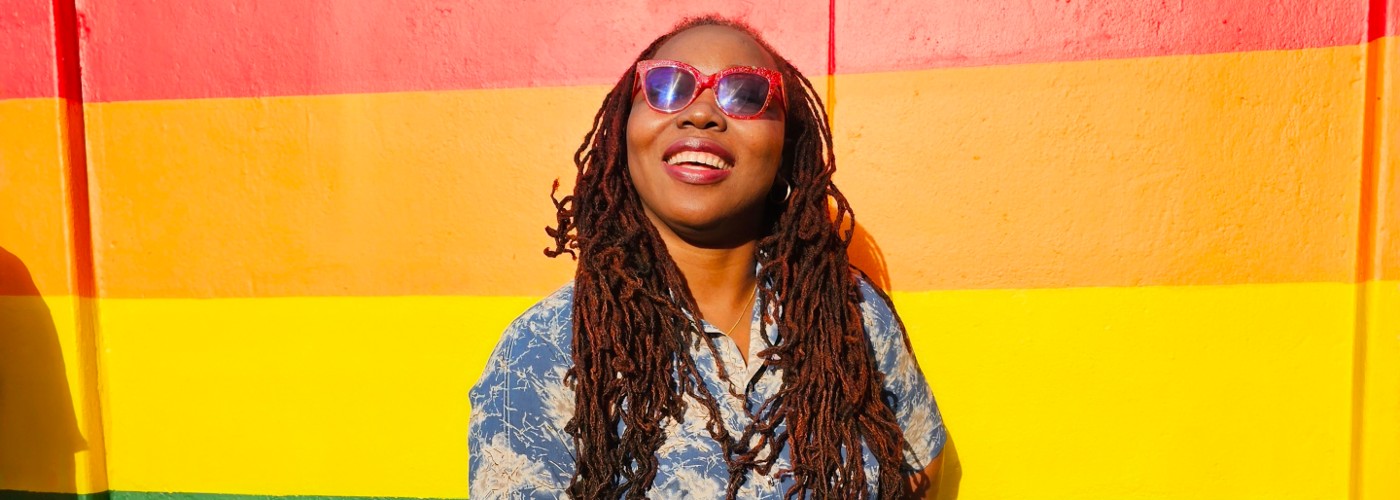
Chioma about Pride in Nigeria
Chioma (she/her) works in Nigeria for our Free to be Me program, which supports the socio-economic inclusion of the LGBTIQ+ community in 12 countries. A large public Pride is unthinkable in Nigeria, she says. Is Pride celebrated in Nigeria? “Here in the capital Lagos, we almost never have major events. Sometimes Pride is celebrated behind…
-
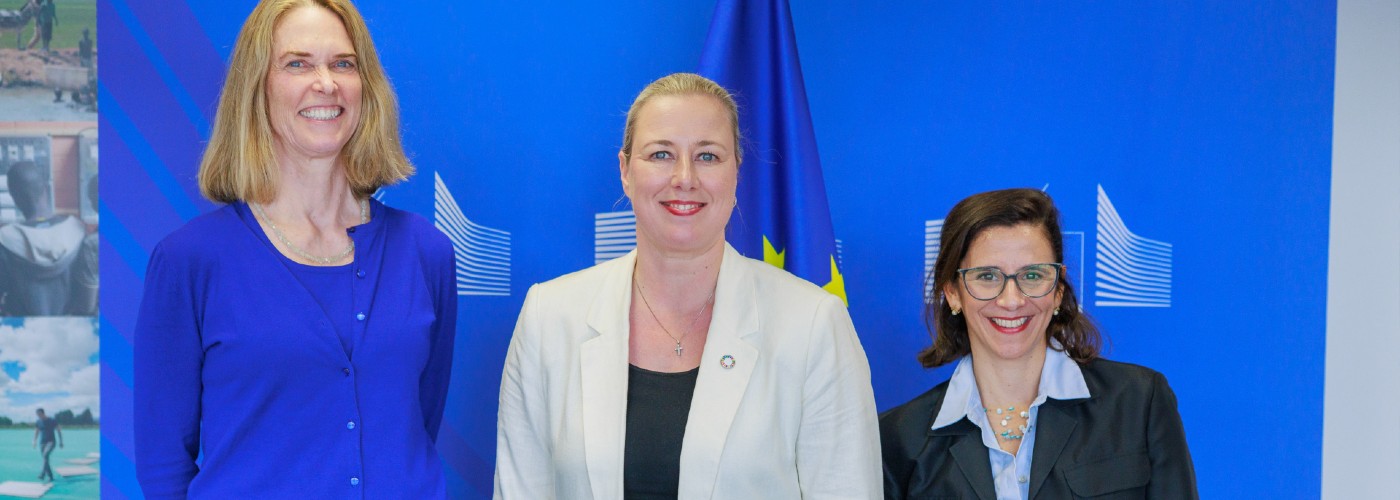
Hivos co-leads landmark EU partnership to support civil society globally
“Around the world, we supports grassroots leaders. But increasingly, powerful interests try to shut them down through harassment, violence and even imprisonment. That’s why the EU SEE initiative is so important,” says Hivos CEO Anne Jellema.
-
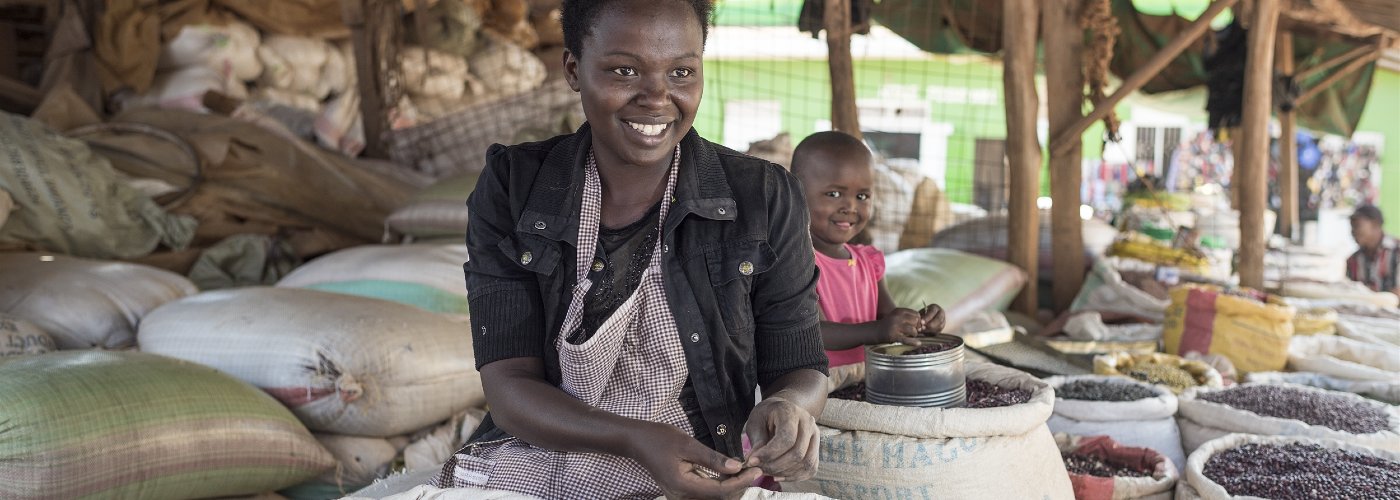
Empowering rural women farmers in Kenya
Rural Women Cultivating Change changes cultural norms and structures holding back young and adult rural women – specifically women smallholder farmers, women heads of households, and survivors of sexual gender-based violence.